MONTPELIER, Vt. — Nestled in the hills above Vermont’s capital, red-brick buildings dating back to the 1870s house a new vision for higher education. The Greenway Institute, a fresh initiative, aims to redefine college for the 21st century. This new model eliminates unnecessary costs and outdated practices, advocating for affordable and practical education through hands-on learning.
Greenway Institute plans to revolutionize education by focusing on real-world experience under faculty mentorship, removing bureaucratic layers that inflate costs. “It’s not fancy,” said Mark Somerville, the founding president. “You have meaningful relationships with faculty, but you also take out your own trash.” This lean approach is a sharp contrast to traditional colleges burdened by excessive amenities.
Despite closures elsewhere, Greenway emerges as a beacon of innovation, with plans to open next fall. It has raised $4.5 million of a $30 million target, partly funded by the National Science Foundation. The institute will focus solely on engineering, engaging students in community living and projects for two years, followed by real-world apprenticeships.
Other experimental institutions are joining forces in the Future Universities Alliance, spearheaded by Duke University. Project Polymath, another member, mentors students across three majors before placing them in two-year apprenticeships. Brian Rosenberg, former Macalester College president, noted, “Broad agreement exists that change is needed, but altering legacy institutions is difficult.” Greenway offers an alternative to this struggle.
The institute’s founders include tech executives and educators from prestigious universities. Greenway has tested its model with students designing wind turbines and solar traffic signals. “They learned by doing, not by lectures,” said Troy McBride, co-founder of a Vermont-based solar panel manufacturer.
Research supports work-based learning, showing it boosts career prospects and salaries. However, less than half of public university students experience such opportunities. Greenway’s $25,000 annual tuition is offset by paid co-op jobs, making it a financially viable option. The goal is to enroll 500 students in Montpelier, expanding nationwide.
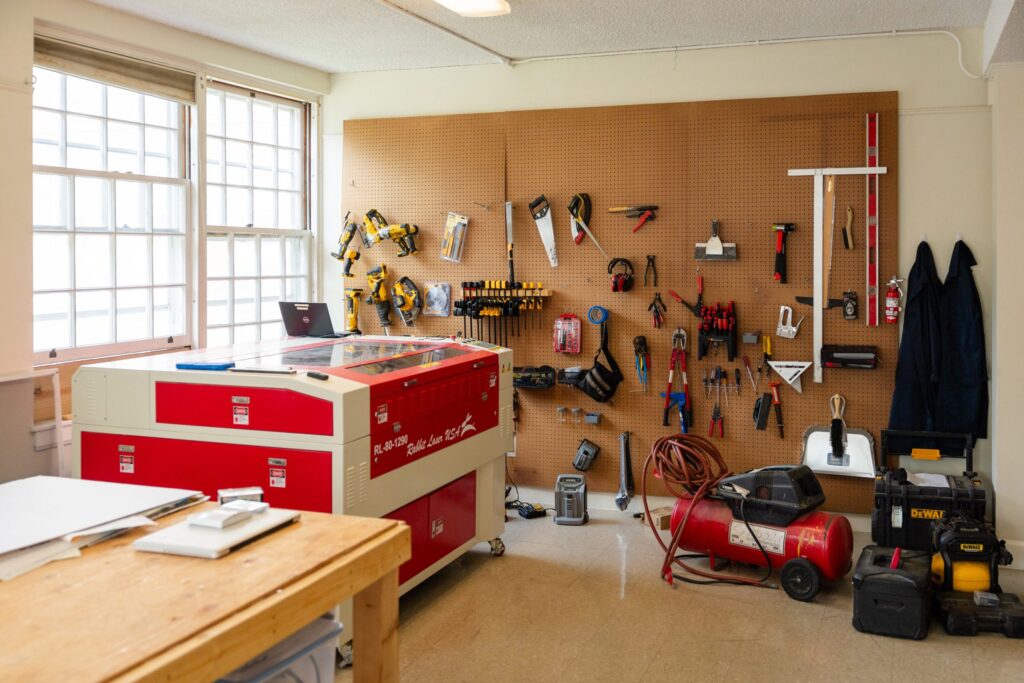
Classrooms in the historic College Hall are being repurposed for work-based learning. Rebecca Holcombe, Greenway co-founder and former Vermont secretary of education, emphasized a need for change: “We’re ready to start saying, ‘OK, if not this, then what?’” Greenway aims to answer that question, offering a focused path for students who know their goals.
—
Read More Kitchen Table News