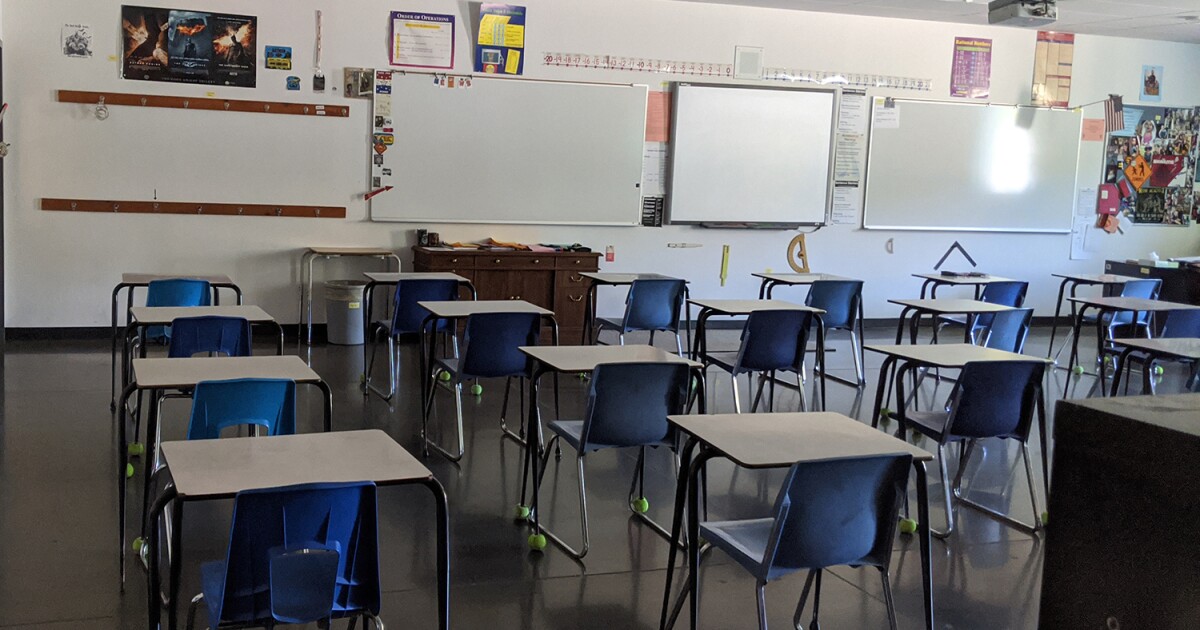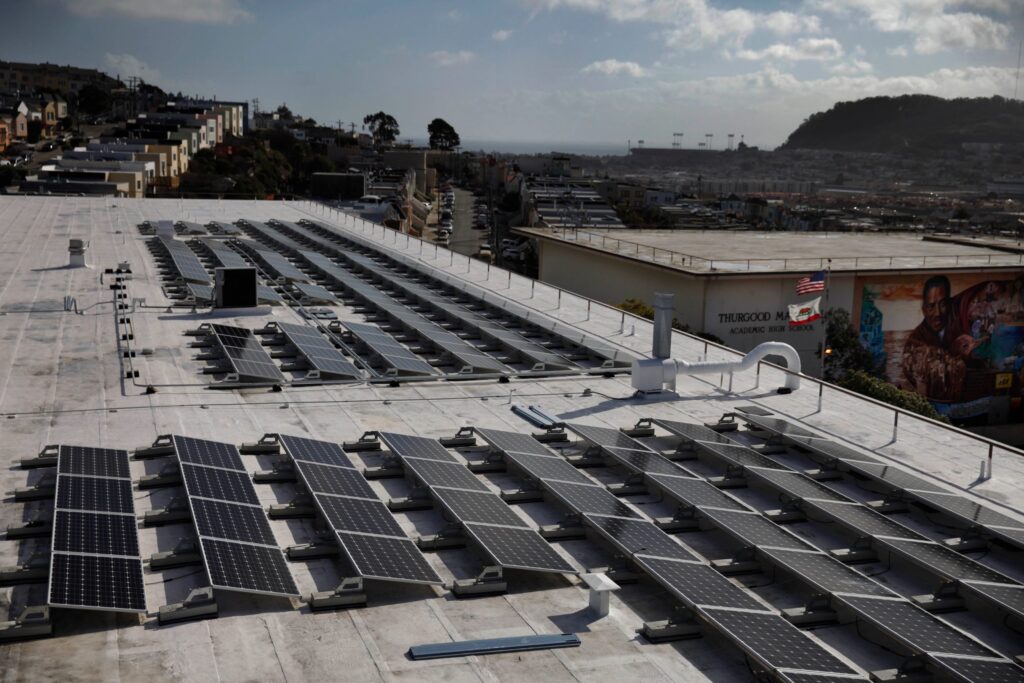
In Warren County, Kentucky, the school district has achieved over $2 million in savings on utility costs by retrofitting five schools with solar panels and implementing energy efficiencies. Jamestown, Rhode Island, has similarly benefited from installing solar panels at two schools, saving the district over $60,000 annually. Boulder Valley, Colorado, saw a $10,000 annual reduction in energy costs after retrofitting a middle school.
These examples highlight findings from a new report by the Building Power Resource Center, advocating for green buildings in schools as a financially sound approach. Despite the environmental benefits, the report emphasizes financial advantages, allowing schools to allocate savings towards teachers and educational resources.
Although federal incentives for green school projects have diminished, state programs remain a viable option for clean energy funding. The changing political landscape presents challenges, but state support is still available. “School districts nationwide are exploring cost-saving methods, and this seems like a promising strategy,” said David R. Eichenthal, the report’s author and former Biden administration official.
Putnam Valley Central School District, located 50 miles north of Manhattan, has been accruing savings through geothermal energy since converting a middle school in 1998. Funded by an energy performance contract, the district covered initial costs with a bond, repaid through savings. In 2000, a new geothermal-reliant high school was built with state building aid. More recent projects continue to leverage similar funding structures for sustainable growth.
Eichenthal’s report estimates geothermal efforts at Putnam Valley’s middle school have saved about $1.5 million in energy costs, with projected total savings from green energy investments reaching $18 million between 2019 and 2039. “Without these measures, we’d face tax hikes or reduced educational resources,” said David Spittal, the district’s director of operations.
Federal support rollback has complicated funding, though New York State’s building aid reduced Putnam Valley’s costs significantly. Despite not utilizing clean energy tax credits due to their uncertain future, state programs persist in assisting school decarbonization efforts. New York, Maryland, and Massachusetts offer grants for cleaner schools. Texas’s LoanSTAR Revolving Loan Program finances clean energy projects, repaid through cost savings.
West Virginia is among states permitting power purchase agreements, allowing school districts to host solar projects. Wayne County school district, collaborating with Solar Holler, expects $200,000 annual savings from solar panels on 15 schools. Despite political pushback, renewable energy certificates and private sector arrangements offset project costs.
Amid challenges, electricity price hikes are driving solar interest. “Solar is cheaper than utility grid options,” said Dan Conant, Solar Holler’s CEO. As schools improve savings tracking and share success stories, green investments are expected to gain traction. “State support is longstanding, and now we have concrete case studies proving the financial benefits,” Eichenthal noted.
—
Read More Kitchen Table News