Upon returning from a family vacation, Melissa found an unexpected letter waiting at home. Her six-year-old son was assigned to a disciplinary campus in McKinney, Texas, for allegedly assaulting a teacher. The incident reportedly occurred as the kindergartner struggled against a restraint. Texas law mandates school districts to have a Disciplinary Alternative Education Program (DAEP), but students under six aren’t eligible.
The letter, dated on Melissa’s son’s birthday, left her feeling the decision was premeditated. Her son is among thousands of Texas elementary students sent to DAEPs annually, with nearly 4,000 placements in 2022-23 alone. Initially intended for severe infractions, DAEPs now accommodate minor misbehaviors. Critics argue that these programs offer subpar education, primarily through computer-based lessons.
Experts caution that young children might act out due to undiagnosed disabilities, and removing them from class can have long-term social and academic impacts. Shantel Meek from the Children’s Equity Project noted that returning students often face stigma and fall behind academically. DAEP placements, while addressing immediate issues, may not resolve underlying challenges.
Texas education policies allow districts significant discretion in DAEP placements for children over six, with no requirement to publish placement data by grade. Although Texas Education Agency suggests alternatives, many DAEPs remain rigid. Ricky Garcia from the agency emphasized that disciplinary decisions should happen promptly, contradicting Melissa’s experience.
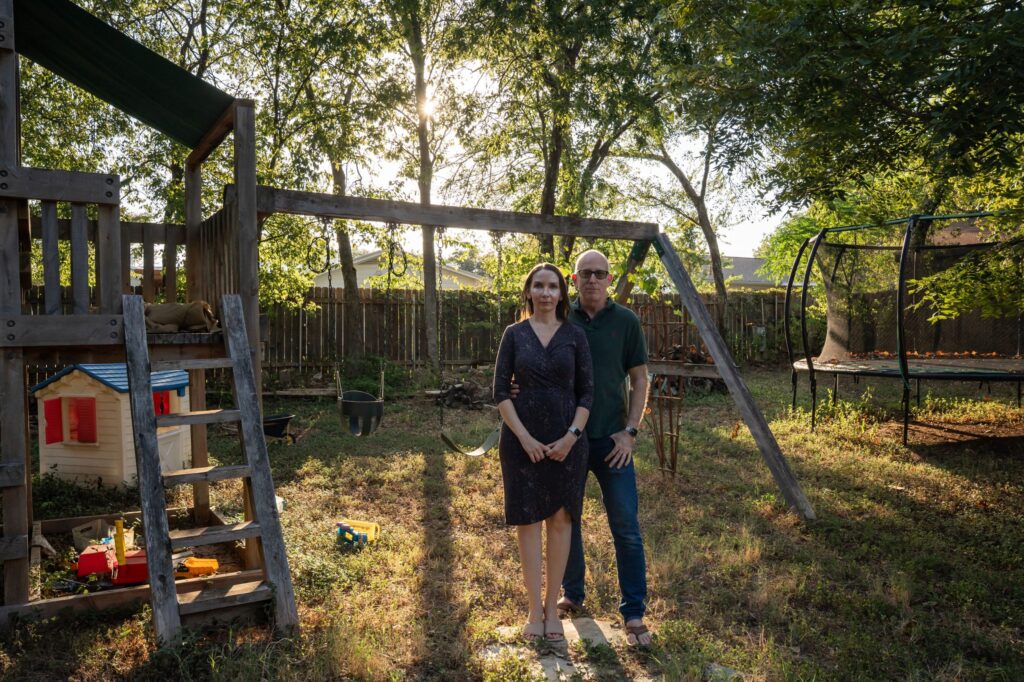
Melissa’s son faced behavioral challenges in kindergarten, with reports of restlessness and defiance. Efforts to secure support for a suspected disability were unsuccessful. She eventually removed him from school, feeling he was too young for such disciplinary measures. Parents like Joseph and Vera Southwell have experienced similar challenges, questioning the disciplinary process’s rigor and fairness.
Districts often cite local code violations for DAEP placements, even for minor infractions. In one case, a child was sent to DAEP for using inappropriate language. Experts argue that young children lack the cognitive ability to fully understand their actions, making alternative approaches necessary.
The Southwells managed to overturn their daughter’s DAEP placement after proving the markers she used were non-toxic. However, the experience eroded trust in the school system, prompting them to homeschool. Melissa’s decision to homeschool her son reflects similar concerns, highlighting the need for more supportive educational environments.
—
Read More Kitchen Table News