Article Summary –
States are facing significant financial challenges due to increased responsibilities for Medicaid and SNAP programs, resulting from a federal law signed by President Donald Trump, which shifts more costs to the states and imposes new requirements like work mandates for Medicaid. As budgets tighten, states are contemplating whether to use state tax dollars to offset reduced federal funding and considering changes like narrowing Medicaid eligibility or reducing Medicaid reimbursements, while also deciding whether to align state tax codes with new federal tax cuts on tips and overtime. The changes have led to varied responses, with some states proactively allocating funds to manage the transition, while others weigh potential impacts on essential services and tax structures.
States face significant decisions in 2026 regarding the social safety net and tax policies following a broad legislation signed by President Donald Trump. The federal government is passing more responsibilities to states, impacting costs for Medicaid healthcare and SNAP food aid programs. States must decide whether to use state tax dollars to offset federal funding cuts and consider cutting taxes on tips and overtime wages to align with Trump’s bill.
Despite many states holding ample rainy day funds, the additional financial strain comes as they confront the tightest budgets since the coronavirus pandemic’s onset. “A big storm is coming for state budgets,” said Tim Storey, CEO of the National Conference of State Legislatures, highlighting the tough choices ahead.
In most states, these decisions will begin in January when legislatures reconvene and governors establish their agendas.
Food aid will become a bigger expense for states
The Supplemental Nutrition Assistance Program (SNAP), used by 42 million Americans for groceries, will be more costly for states and harder for some to qualify. The federal government currently covers all benefit costs, around $94 billion in the fiscal year ending September 2024, and shares administrative costs with states, which amounted to about $6 billion federally in 2024.
Starting Oct. 1, states will shoulder three-fourths of the program’s operating costs. By late 2027, states with more than 6% payment errors, often due to overpayments when household income rises, will need to cover some benefit costs. California has allocated $84 million to reduce SNAP errors and support counties in meeting new requirements. Florida anticipates $50 million annually for administrative costs, with potential SNAP benefit expenses nearing $1 billion.
Other states are considering increasing SNAP funding. New Jersey Assembly Speaker Craig Coughlin, a Democrat, emphasized the state’s duty to ensure health care and food access, but noted that federal cuts, potentially reducing Medicaid funding by $36 billion over the next decade, could challenge maintaining social programs.
States could consider scaling back Medicaid
The Trump-signed law mandates work requirements for some Medicaid beneficiaries starting January 2027, necessitating budget considerations. However, states can implement these sooner if desired. Nebraska Gov. Jim Pillen announced May commencement for such requirements without additional government hires, emphasizing its potential to uplift individuals.
States are bracing for significant costs to prepare for new Medicaid requirements. Missouri’s Department of Social Services seeks $33 million for technology and over $12 million to hire roughly 120 staff for compliance. The work mandate applies to slightly higher-income Medicaid recipients under the voluntary expansion from President Obama’s 2010 health overhaul.
Congressional Budget Office projections estimate Medicaid spending reductions by $911 billion by 2034, leaving 10 million more uninsured. States might narrow Medicaid eligibility, as the District of Columbia did, or reduce Medicaid reimbursements to providers, as seen in Colorado and Idaho. Home care, dental benefits, and coverage of GLP-1 weight loss drugs could also see restrictions.
Rural hospitals could be notably affected by these adjustments. A federal law aims to partially offset this with $50 billion for five years, leaving states to decide their fund allocations.
States also face decisions on tax cuts
The federal law pauses federal income taxes on tips and overtime pay, introduces tax deductions for seniors and certain auto loan holders, and provides new corporate tax breaks. States must decide whether to integrate these cuts into state tax codes.
Some states automatically align their income tax laws with federal changes, while others must deliberate on whether to match them fully or partially. Michigan is the sole state to vote for opting into tip and overtime tax breaks, with about six other states automatically following suit.
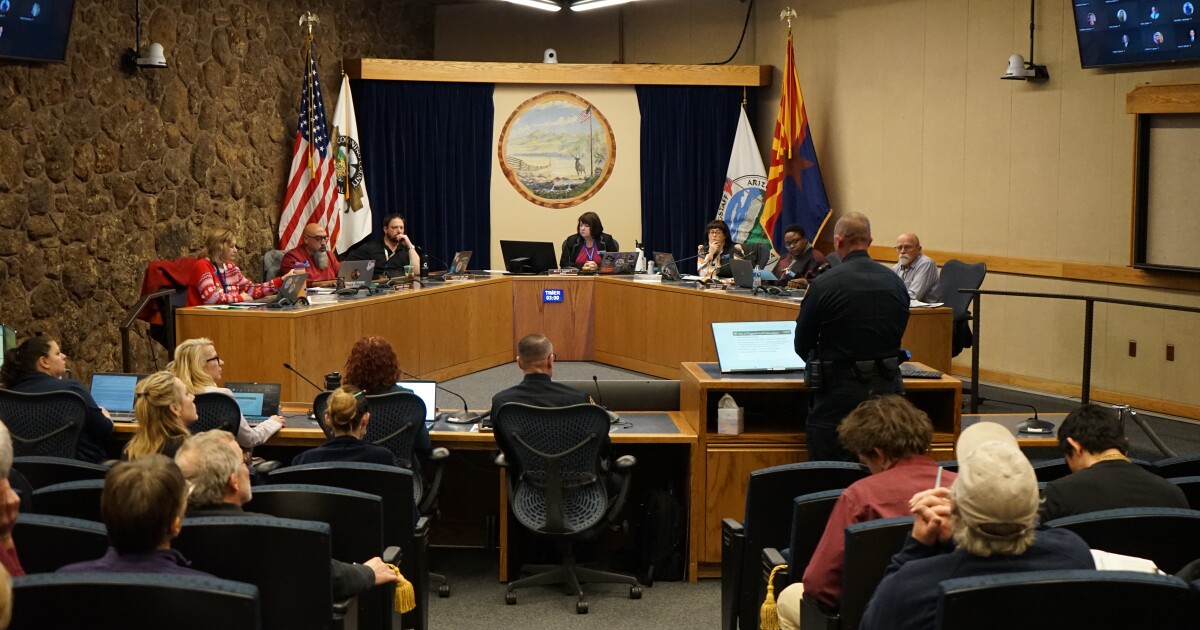
Arizona officials plan to conform to federal tax cuts in their January legislative session. Democratic Gov. Katie Hobbs supports the tax breaks for easing living costs and providing taxpayer certainty, with Republican leaders ready to approve.
—
Read More Wisconsin News