Article Summary –
Wisconsin’s health department head, Kirsten Johnson, is urging the state Legislature to allocate nearly $70 million for food assistance to cover increased administrative costs for SNAP, as required by the federal One Big Beautiful Bill Act signed by President Trump. This law mandates states to pay 75% of SNAP administrative costs and maintain error rates below 6% to retain full federal funding, with Wisconsin risking substantial penalties if it fails to comply. The department aims to add 56 quality control positions to maintain compliance and prevent financial penalties, while emphasizing that these changes are due to increased federal requirements, not fraud or intentional errors.
The head of Wisconsin’s health department urges the state Legislature to allocate nearly $70 million for food assistance due to the federal budget law signed by President Donald Trump in 2025.
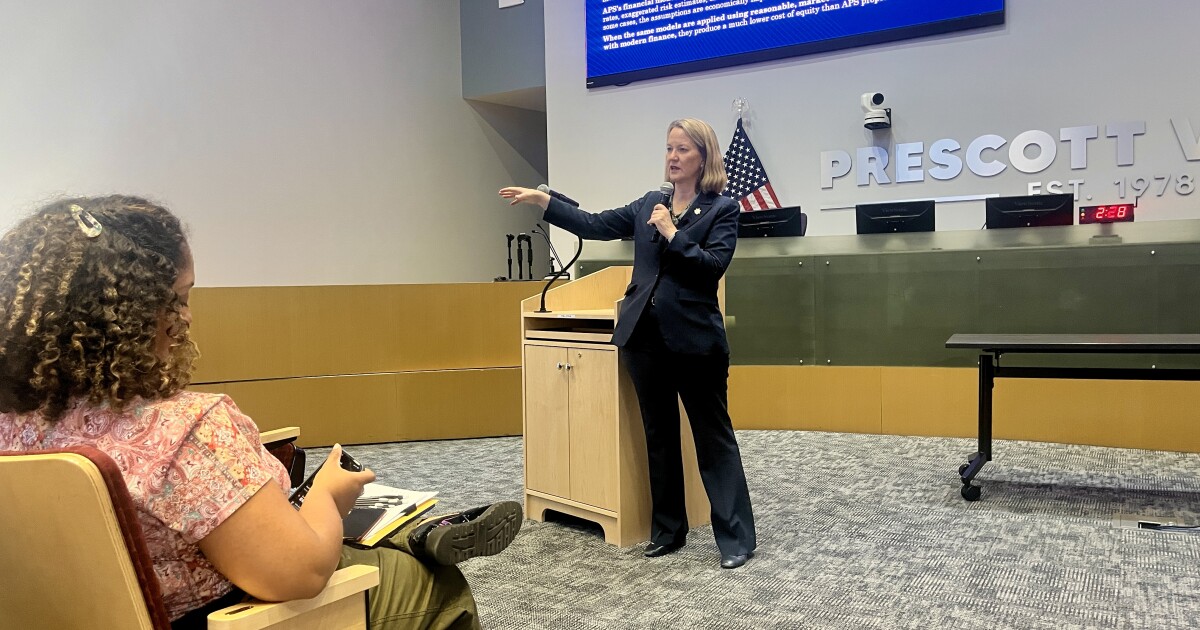
Department of Health Services Secretary Kirsten Johnson informed reporters that the One Big Beautiful Bill Act requires states to cover 75% of administrative costs for SNAP from October, up from 50%.
This law mandates states maintain SNAP error rates—overpayments and underpayments—at 6% or below to secure full federal funding.
Johnson requests $69.2 million to help Wisconsin maintain its FoodShare error rate below the federal benchmark. Falling short could cost the state between $68 million and $200 million annually in penalties.
“Increasing our quality control efforts statewide is essential,” Johnson stated. “These costs stem from Trump administration changes that complicate access to food and healthcare.”
The department plans to add 56 quality control positions to stay under the 6% error rate.
Wisconsin Medicaid Director Bill Hanna highlighted the state’s leading low error rate but stressed the need for legislative resources to remain compliant. More positions would enable secondary reviews, essential due to federal changes causing distrust in the program.
“Error rates are complex—neither fraud nor solely agency or member errors,” Hanna explained.
Johnson assures recipients won’t lose their SNAP benefits.
Nearly 700,000 Wisconsin residents rely on SNAP benefits, which generate $1.50 per every $1 spent, according to the state health department.
Johnson emphasized FoodShare as a crucial support.
“Access to necessary food is a key state support,” she noted.
The department sought new funding in August, working with the governor’s office and the Legislature since then. Johnson highlighted the urgency of securing this funding.
“Delaying this investment hurts Wisconsin and the people relying on state support,” she urged. “We need the Legislature to act this session.”
—
Read More Wisconsin News