Household incomes have steadily increased across almost every U.S. state over the last 50 years, but this growth has been uneven nationwide. A recent study from the Urban Institute’s Center for Local Finance and Growth reveals that Western, mid-Atlantic, and New England states experienced the highest inflation-adjusted income growth since 1970. In contrast, Midwestern states showed the least growth.
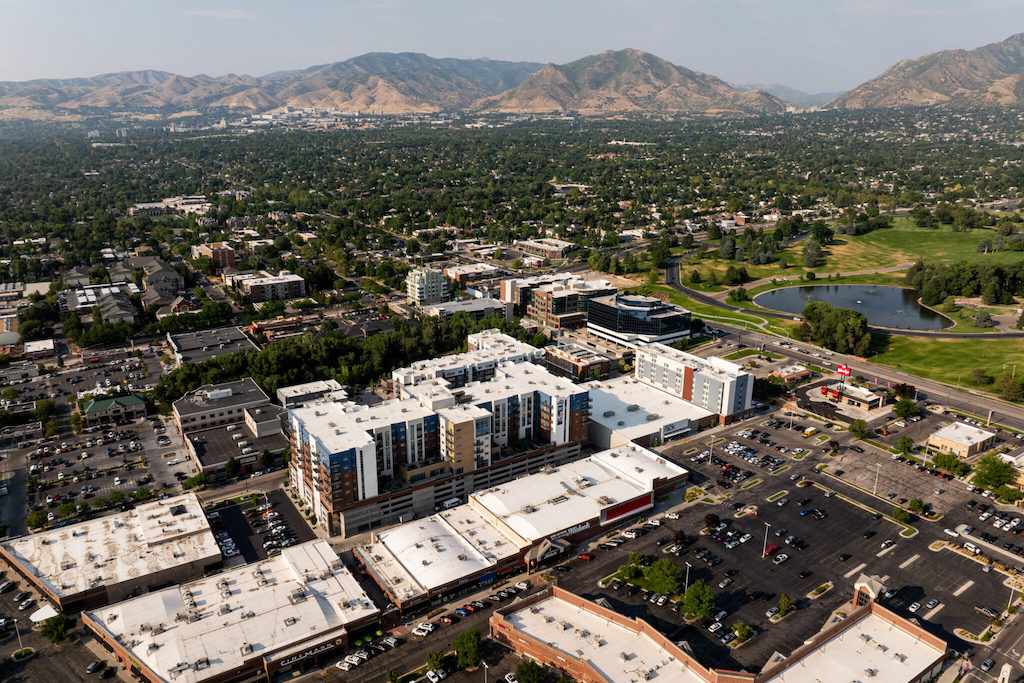
From 1970 to 2023, Utah led with a remarkable 78% rise in median household income, increasing by $40,820 to reach $93,421 in inflation-adjusted terms. Following Utah, states like Colorado, New Hampshire, California, Arizona, and Virginia saw over 60% growth in their median household incomes. Nationwide, the average growth in median household incomes was 32%.
Interestingly, West Virginia was the only state where inflation-adjusted incomes fell, decreasing by 0.4% from $56,161 to $55,948. West Virginia ranked second-lowest in household income, ahead of only Mississippi, which stood at $54,203. By contrast, Massachusetts boasted the highest median household income at $99,858.
The study, conducted by the Urban Institute, a left-leaning think tank, found that state sales and income tax rates had no correlation with changes in median household income. Surprisingly, states with colder climates and higher property taxes saw greater income growth, defying the notion that lower property taxes and warm climates foster prosperity.
Key factors contributing to household income growth included educational attainment and an increase in the immigrant population. The study suggested, “This could be because immigration leads to economic growth, immigrants seek out growing areas, or both.”
—
Read More Montana News
![Jody White’s Unconventional Michigan Supreme Court Candidacy Explored[embed]https://www.youtube.com/watch?v=8NfxFIPE4ac[/embed]](https://www.kitchentablenews.org/wp-content/uploads/2026/10/Jody-Whites-Unconventional-Michigan-Supreme-Court-Candidacy-Exploredembedhttpswwwyoutubecomwatchv8NfxFIPE4acembed.com2F842F0e2Fc7223daa43c9876b36a4e00773a42Fme-supc.png "Jody White’s Unconventional Michigan Supreme Court Candidacy Explored[embed]https://www.youtube.com/watch?v=8NfxFIPE4ac[/embed]")