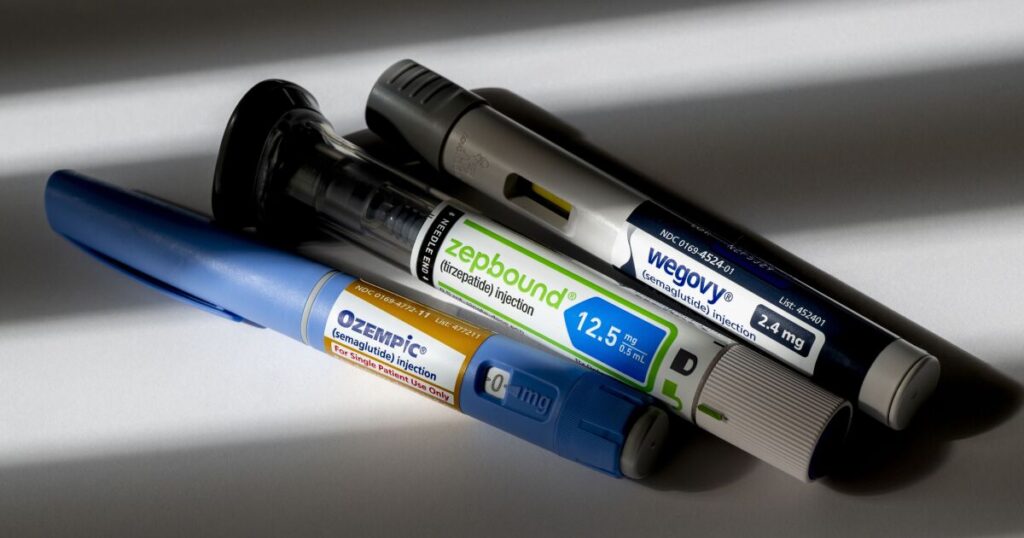
Recent research is shedding light on a new potential benefit of GLP-1 drugs, commonly prescribed for obesity and diabetes. Studies now suggest these medications might also play a role in reducing cancer risk, offering hope for a future where they could be used as a preventive measure against various cancers.
At the latest American Society of Clinical Oncology meeting, the potential link between GLP-1 drugs and cancer prevention was a focal point. The discussions centered on studies, including those published in the Journal of Clinical Oncology, which tracked the medical histories of more than 10,000 early-stage cancer patients. Findings showed a significant reduction in cancer risk for six out of seven cancers studied, particularly breast, liver, colorectal, and non-small cell lung cancers. For example, the progression to Stage IV non-small cell lung cancer was notably lower in patients taking GLP-1 drugs.
Originally developed as treatments for diabetes, GLP-1 drugs alter hormonal activities in the brain and gut, reducing hunger and slowing digestion. Beyond their initial purpose, these drugs have proven beneficial for obesity, heart disease, and now potentially cancer, due to their influence on metabolic processes.
Correlative Evidence and Ongoing Research
Despite these promising findings, experts caution that the current data is only correlative. Dr. Julie Gralow, ASCO’s chief medical officer, notes that the retrospective analyses lack detailed data on patients’ lifestyles and comorbidities. Yet, this aligns with existing knowledge about obesity’s role in cancer development and the importance of a healthy lifestyle in recovery.
“It ties into a body of knowledge about exercise and healthy lifestyles after a cancer diagnosis,” Gralow states.
Breast Cancer and GLP-1 Drugs
Another intriguing study highlighted at the conference linked GLP-1 drug usage to a 30% lower incidence of breast cancer among women aged 45 to 80. Radiologist Elizabeth McDonald, who co-authored the study, suggests that the protective effect could be greater than what weight loss alone would achieve. She hypothesizes that GLP-1 drugs might also reduce inflammation, a known cancer driver.
Future Directions
Research efforts are intensifying to explore the potential of GLP-1 drugs in cancer treatment. Dr. Coral Omene from the Rutgers Cancer Institute plans to study the effects of tirzepatide, a GLP-1 drug, on breast cancer patients. This study will monitor changes in cancer markers and inflammation levels, providing crucial insights into the drug’s effectiveness against cancer.
—
Read More Michigan News