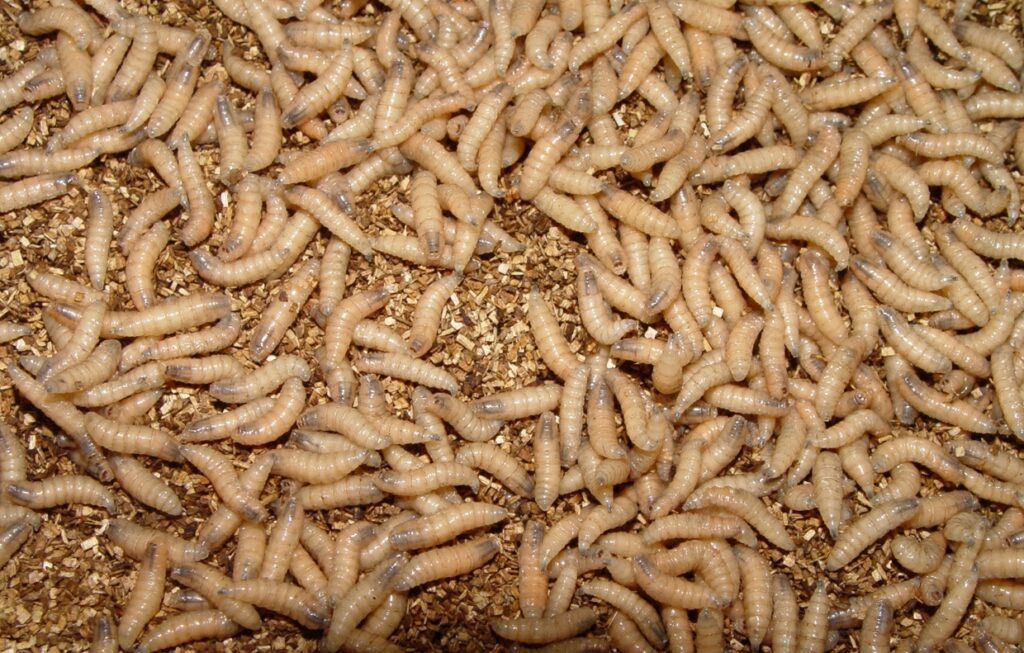
The New World screwworm has entered the U.S., crossing from Mexico into New Mexico and Texas. Known for its destructive impact on livestock, pets, and humans, this invasive flesh-eating parasite poses significant threats. Recent confirmations include one case in a New Mexico dog and five in Texas involving cattle, a dog, and a goat. Experts warn that a larger invasion could lead to increased grocery prices, affecting the American economy.
Is it a fly or a worm?
Despite its name, the screwworm develops into a fly, similar in size to a housefly, with orange eyes, a metallic body, and dark stripes. The term “screwworm” refers to the larvae that burrow into wounds, feeding like a screw being driven into wood, per the U.S. Department of Agriculture. Larvae can enter through small wounds, requiring ranchers to monitor newborn calves and reconsider practices like branding that may invite these pests.
What to look for
Screwworm infestations can affect livestock, pets, and wildlife, and occasionally, humans. Infested animals may show foul-smelling wounds with maggots and lesions. Texas A&M notes that affected animals might bite or lick wounds and appear restless. New Mexico Livestock Board’s Belinda Garland advises vigilance but cautions against panic. The CDC warns that infected individuals may notice painful sores and should seek immediate medical attention.
Will this cost me?
The New World screwworm’s arrival may drive grocery prices higher, with American beef prices already at record levels due to reduced herds and import bans on Mexican cattle. Ranchers have liquidated herds due to drought and other disruptions. Meat prices have risen faster than inflation, according to the latest consumer price index. Additionally, dairy supplies might be affected, forcing dairies to discard milk during outbreaks.
What’s being done to stop it?
The USDA has implemented monitoring and quarantine protocols but won’t halt the movement of animal products. The agency plans to release sterile male flies to curb the screwworm population. A new $750 million sterile fly facility in Texas aims to produce 300 million sterile flies weekly. Similar facilities in Mexico and Panama support these efforts.
Political blame game
The screwworm’s arrival has sparked political disputes. At a U.S. Senate hearing, Sen. Amy Klobuchar voiced concerns over USDA staffing cuts affecting screwworm response. The Trump administration blamed Biden for border policies, while Agriculture Secretary Rollins cited previous administration failures. Texas Agriculture Commissioner Sid Miller urged the government to deploy screwworm-targeted baits, highlighting the urgency in USDA’s response.
—
Read More Montana News




![Jody White’s Unconventional Michigan Supreme Court Candidacy Explored[embed]https://www.youtube.com/watch?v=8NfxFIPE4ac[/embed]](https://www.kitchentablenews.org/wp-content/uploads/2026/10/Jody-Whites-Unconventional-Michigan-Supreme-Court-Candidacy-Exploredembedhttpswwwyoutubecomwatchv8NfxFIPE4acembed.com2F842F0e2Fc7223daa43c9876b36a4e00773a42Fme-supc.png "Jody White’s Unconventional Michigan Supreme Court Candidacy Explored[embed]https://www.youtube.com/watch?v=8NfxFIPE4ac[/embed]")