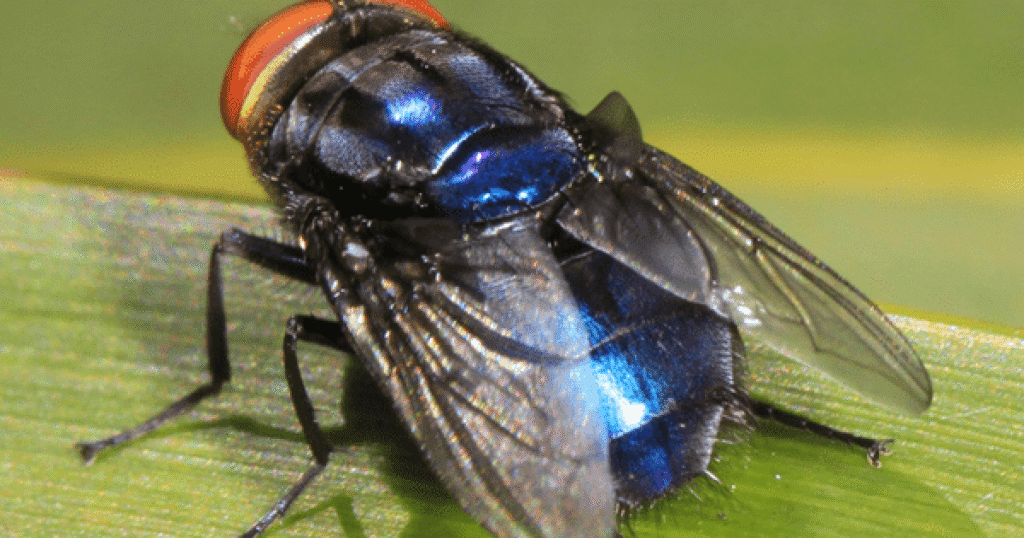
Michigan Responds to Livestock Threat Posed by New World Screwworm
As the New World Screwworm makes its presence known in New Mexico and Texas, Michigan officials are implementing measures to safeguard their livestock industry. This parasitic fly, known for its larvae that invade and consume the living tissue of warm-blooded animals, has been identified in cattle, goats, and sheep in the affected states.
The New World Screwworm, despite its misleading name, is not a worm but a fly. Although eradicated in the United States in the 1960s, sporadic infestations have re-emerged via Mexico or Central America, posing a potential risk to livestock in states across the country. The fly has not yet been detected in Michigan.
In response, the Michigan Department of Agriculture and Rural Development (MDARD) will restrict the importation of animals from regions known to be infested. Furthermore, animals arriving from other parts of Texas and New Mexico will require a veterinary inspection and a state-issued permit.
Dr. Tim Boring, Director of MDARD, addressed the media on Wednesday, stating that the actions taken are precautionary and expected. “This is not a disease. This is a pest,” Boring clarified. “This is not a food safety concern in any of the ways we might typically associate with animal diseases.” He assured that MDARD is working closely with the livestock sector to manage the situation effectively.
Michigan’s proactive stance aligns with other states that are also enforcing preventative measures against the New World Screwworm. The Michigan Farm Bureau has reassured the public regarding the safety of consuming beef and other meats, emphasizing that the screwworm presents minimal risk to human health. “There are multiple treatment and prevention methods that have been approved in recent months to help protect our nation’s livestock,” said Pierce Bennett, a livestock specialist at the Michigan Farm Bureau, in an official statement.
In a broader effort to combat the threat of New World Screwworm, the U.S. Department of Agriculture is investing nearly $1 billion in Mexico to curtail the spread and prevent future outbreaks within the United States.
—
Read More Michigan News



![Jody White’s Unconventional Michigan Supreme Court Candidacy Explored[embed]https://www.youtube.com/watch?v=8NfxFIPE4ac[/embed]](https://www.kitchentablenews.org/wp-content/uploads/2026/10/Jody-Whites-Unconventional-Michigan-Supreme-Court-Candidacy-Exploredembedhttpswwwyoutubecomwatchv8NfxFIPE4acembed.com2F842F0e2Fc7223daa43c9876b36a4e00773a42Fme-supc.png "Jody White’s Unconventional Michigan Supreme Court Candidacy Explored[embed]https://www.youtube.com/watch?v=8NfxFIPE4ac[/embed]")