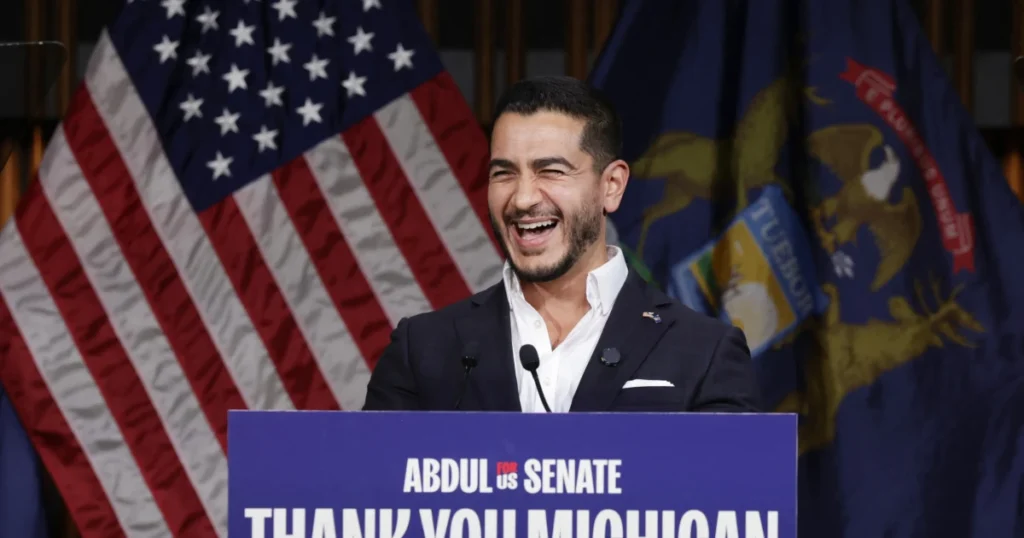
As the political landscape shifts, a renewed debate over “Medicare for All” looms on the horizon. The recent midterm elections have ushered in several Democratic candidates who championed universal healthcare as a key campaign promise. With new senators from Michigan, Maine, Iowa, and Texas, the Democratic majority is poised to tackle the healthcare affordability issue that has long concerned voters.
While there is widespread agreement on the need for affordable healthcare, the specifics of achieving this goal have historically divided the Democratic Party. Past efforts, such as the Clinton health reform in the early ’90s and the Affordable Care Act of 2010, highlight the internal conflicts between those advocating for sweeping reforms like Medicare for All and proponents of more gradual changes, such as a public option.
Understanding “Medicare for All”
The concept of “Medicare for All” remains somewhat elusive to many Americans. “It’s cosplay,” remarked Nicholas Bagley, a law professor at the University of Michigan. He explained that the phrase evokes positive feelings about healthcare without a clear understanding of its implications. Mollyann Brodie, from the health information nonprofit KFF, observed that public support for Medicare for All fluctuates significantly based on how the policy is presented. For instance, framing it as a guaranteed right to healthcare boosts approval, whereas emphasizing potential tax increases or threats to existing Medicare can diminish support.
Financial Challenges for Medicare
Another hurdle is the financial instability of the current Medicare program, which is expected to face insolvency by 2033. Rising costs for beneficiaries include premiums and out-of-pocket expenses, while critical services like dental and long-term care remain uncovered. Expanding Medicare benefits could lead to significant tax hikes, as suggested by various estimates.
The new Democratic majority must decide whether to focus on reversing previous spending cuts to Medicaid and Affordable Care Act plans or to expand coverage and reduce costs. According to Brodie, “Expectations are super high among voters right now, and they are demanding action on healthcare costs.”
Democratic leaders appear to be heeding these demands. Representative Hakeem Jeffries of New York recently expressed support for expanding government-funded coverage, including lowering the Medicare eligibility age. However, any legislative efforts may face vetoes from President Trump, who has characterized Medicare for All as “a socialist takeover of our healthcare system.”
Public Sentiment Shifts
The current public sentiment reflects a significant shift from past debates. A recent KFF poll indicates record support for Medicare for All, with many respondents willing to eliminate private insurance in favor of the policy. This marks a departure from the resistance seen during the Clinton-era reforms, famously depicted in the “Harry and Louise” ads.
While industry opposition could quickly alter public opinion, the current climate suggests an appetite for substantial healthcare reform. The challenge now lies in uniting policymakers to turn public readiness into actionable policy changes.
—
Read More Michigan News