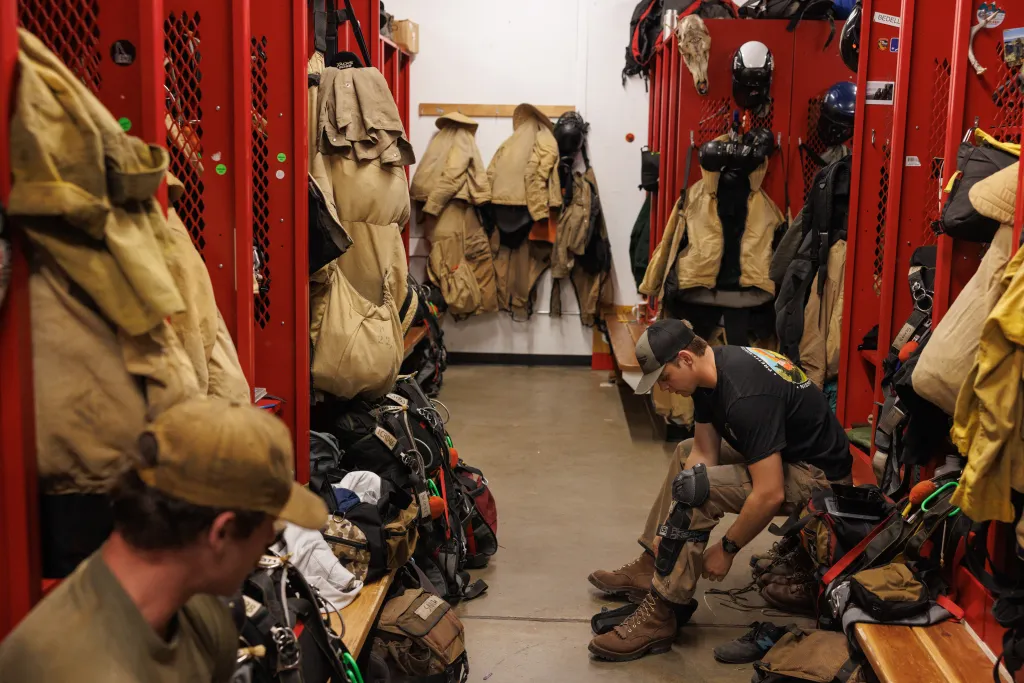
When the alarm bell rings at the smokejumper base in Missoula, Montana, the urgency is immediate. Seth Patton has mere minutes to don over 100 pounds of gear, including a fire-resistant suit and parachute. Within 10 minutes, the Missoula smokejumpers, one of America’s elite wildland firefighting groups, are airborne, destined for an active wildfire in the U.S.
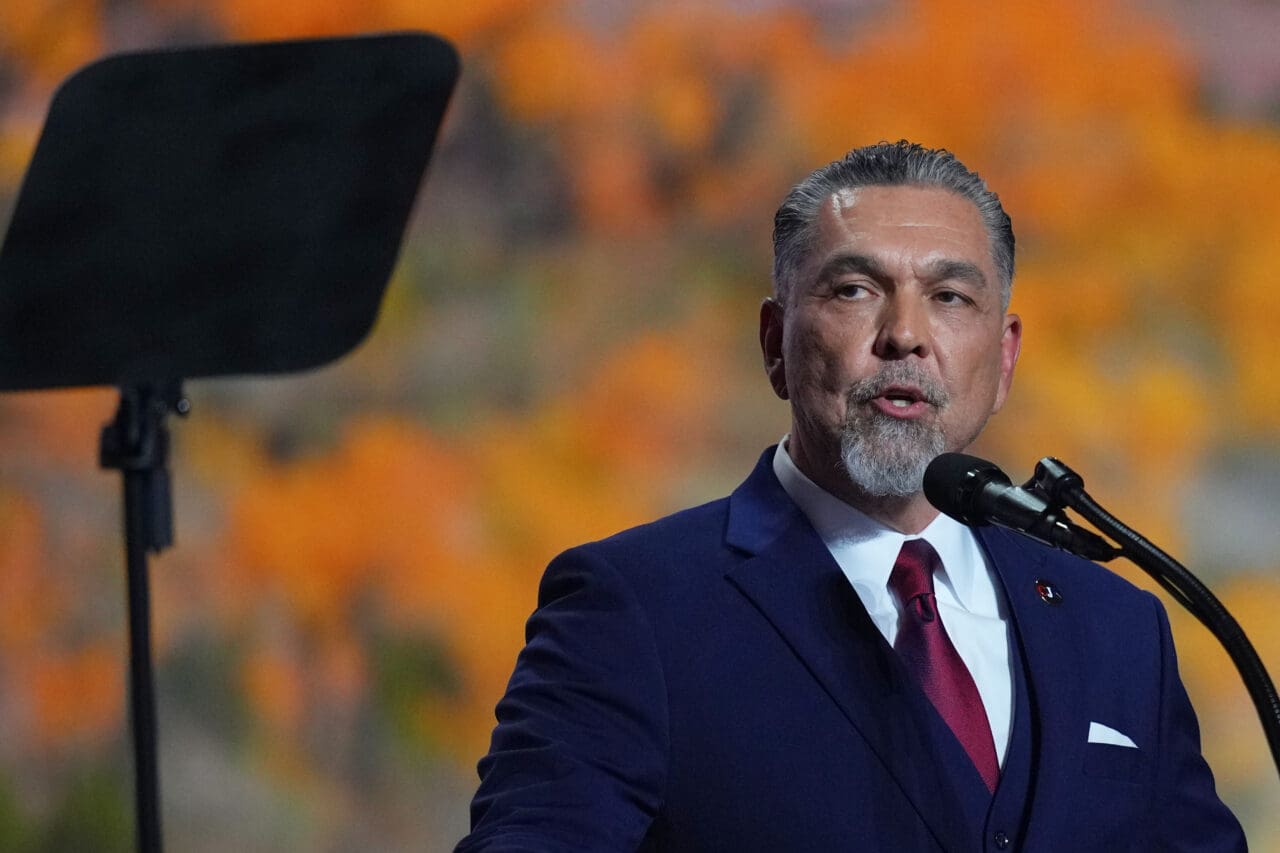
Patton, a veteran firefighter for 21 years with 11 years as a smokejumper, expressed their readiness: “Wherever something pops up and they need us, we’ll go.” By mid-June, nearly 35,000 wildfires had already burned 2.8 million acres, surpassing the 10-year average. The dismantling of the U.S. Forest Service, historically providing two-thirds of firefighting personnel, complicates efforts. Yet, smokejumpers continue adapting to climate and fire regime shifts, acting as the “Swiss army knife” of the fire world.
The Missoula smokejumpers
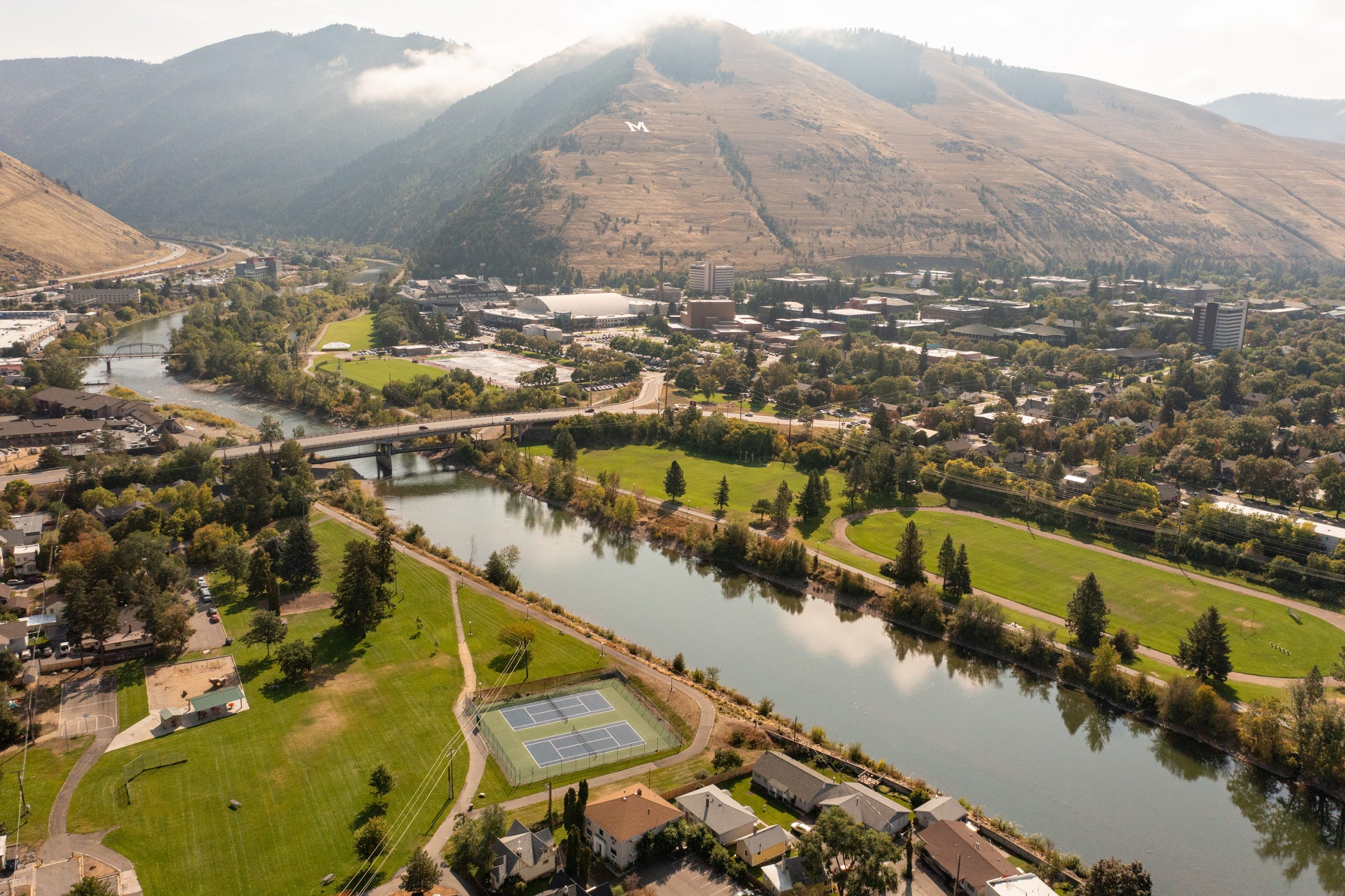
Back in 1939, the Forest Service began testing if firefighters could safely land using aircraft, custom parachutes, and cargo drops in rough alpine areas. After 58 successful jumps, bases were set up in Winthrop, Washington, and Missoula, Montana. In 1940, the first training occurred at Seeley Lake, northeast of Missoula, with the first active fire jump at Nez Perce National Forest, near “Zootown,” as Missoula is affectionately called. This marked Missoula as smokejumping’s birthplace.
Originally focused on containing small backcountry fires, smokejumpers’ roles expanded. During WWII through the 1970s, Missoula smokejumpers aided the CIA in covert missions. Some became early astronauts. Today, around 450 smokejumpers from the Forest Service and Bureau of Land Management operate from nine U.S. bases. The rigorous training sees only 50-70% of recruits graduating, requiring peak fitness and fire knowledge.
“There aren’t apps for what we do in the woods,” noted Bob Beckley, a former smokejumper, emphasizing critical thinking. With climate change increasing fire intensity, smokejumpers have adapted. Recent studies show a 43-percent rise in catastrophic wildfire disasters over a decade. Smokejumpers now assist with everything from controlled burns to large fires unmanageable by ground crews.
“I think part of the reason why smokejumpers are able to fill a variety of roles is because we’re more autonomous,” Patton noted. Smokejumpers are lauded for their diverse capabilities, truly making them a versatile force in modern firefighting.
Into the Fire
While the Forest Service has battled wildfires since 1905, federal cuts and restructuring compromise its mission. The recent dismissal of 1,400 wildfire-certified employees and the emergence of a new Wildland Fire Service raise questions about fire season responsibilities. Congress seeks a feasibility study, urging Forest Service roles remain until completion.
“This reorganization is a dismantling of our public land system,” Beckley asserted. As new federal strategies unfold, smokejumpers’ expertise and institutional knowledge become vital assets in adapting to growing wildfire challenges.
The Forest Service’s National Technology and Development Program in Missoula collaborates with field teams, enhancing efficiency and safety. Innovations from the program include personal fire shelters and flight-safe bear spray canisters. Such developments underline the program’s importance for field safety and fire management.
Smokejumpers’ skills extend beyond firefighting; they master parachute rigging and tree climbing. The mantra “speed, payload, range” drives their operations, readying them for any scenario. Smokejumpers, regardless of rank, emphasize teamwork, continually enhancing their skills for collective success.
Culture of camaraderie
A smokejumper’s role involves significant risk. Beckley experienced this firsthand with a near-fatal fall in 1985. Despite challenges, he championed for firefighter rights, helping secure the First Responders Fair RETIRE Act and the Federal Firefighter Presumptive Illness Law. These efforts ensure that injured firefighters retain their benefits.
“You don’t want to lose those people that believe in the agency,” Beckley remarked, emphasizing the value of institutional knowledge. As fires grow and seasons lengthen, camaraderie strengthens morale and retention. The average smokejumper is 40 years old, boasting extensive firefighting experience.
Mental health is becoming a focal point, with more resources now than in the early 2000s. Patton encourages time off and supports rookies to ensure their confidence. Studies link experienced firefighters with retention rates, highlighting the importance of collective knowledge in fire management.
“We are a national resource,” Patton emphasized. Missoula’s smokejumpers support various bases, underscoring their essential role in America’s wildfire defense strategy.
Final dress rehearsal
In mid-May, smokejumpers, new and old, boarded a DeHavilland DHC-8 for refresher jumps before wildfire season. This two-week training includes detailed parachute inspections. Spotters, using streamers, gauge wind conditions, guiding jumpers for precise landings.
Training includes reviewing exit and landing footage to refine techniques. As wildfire season looms, these skilled jumpers will navigate diverse terrains. Despite longer seasons and growing fire threats, smokejumpers’ unique skills and knowledge remain pivotal in wildfire management.
CORRECTION: An earlier version of this story incorrectly stated the location of Seeley Lake, Montana, where the first smokejumper training jump occurred. Seeley Lake is northeast of Missoula.
—
Read More Montana News