Lansing City Council Takes a Strategic Pause on Data Center Developments
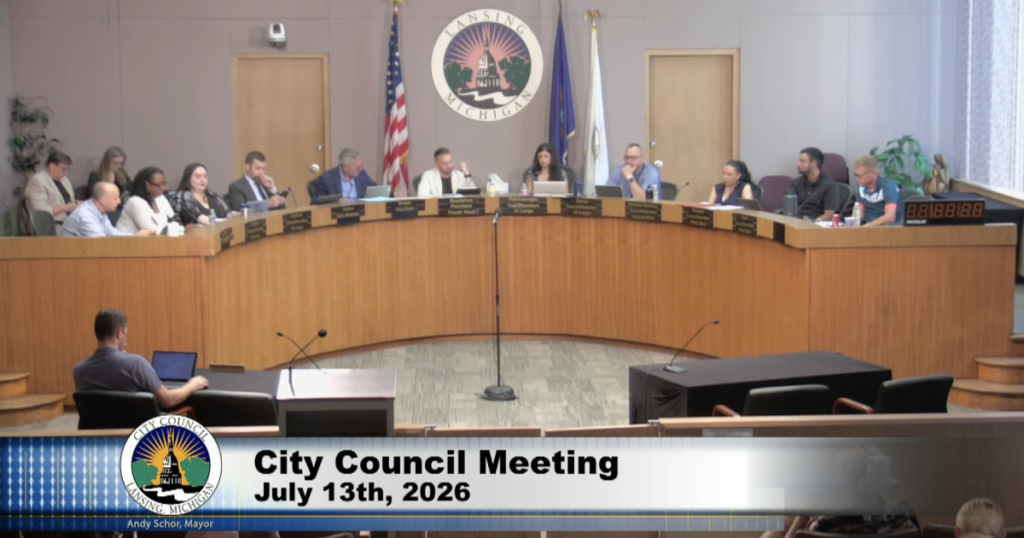
In a decisive move, the Lansing City Council has implemented a temporary halt on new data center projects, with a 182-day moratorium passed by a 7-to-1 vote. This decision follows the recent withdrawal of a proposal by AI firm Deep Green, which had intended to establish a data center in downtown Lansing.
The moratorium draft was introduced to the council shortly after Deep Green’s proposal ended abruptly in April. The decision has sparked diverse opinions among Lansing residents and stakeholders. Concerns have been raised that the moratorium could divert potential developers to other cities, potentially affecting Lansing’s economic prospects.
Jason Brown from UA Local 333 expressed apprehension about the economic implications, stating, “A moratorium to me feels like you’re just unwilling to hear any new ideas on the potential for growth and progress here in Lansing.”
Similarly, resident Brad Clark highlighted the potential missed opportunities, advising, “Take time to write the new regulations that you need, but know that if this is a strategy to exclude data centers, you will be denying the people of Lansing the opportunities for investment, tax revenues and economic diversification.”
Councilmember Ryan Kost, who was instrumental in drafting the moratorium, reassured that the move is not intended to deter businesses. “I don’t think that this is telling businesses to go somewhere else,” he explained. “This is very similar to multiple communities around us that have done this, and across the state. We are all trying to figure this thing out.”
Nicole Keway Biber from Clean Water Action voiced a firm stance on necessary conditions for future developments, such as environmental impact assessments and noise regulations. She remarked, “If things like escrow accounts for future decommissioning, assuring drinking water is for people not machines, prohibiting new fossil fuel emissions, fortifying noise ordinances, requiring an [environmental impact statement] before building, a full accounting of waste streams, including PFAS, and no NDAs all mean that a data center rep is no longer interested, then good.”
Only Councilmember Jeremy Garza opposed the moratorium, arguing that it may signal an unwelcoming attitude. He questioned the selective approach to environmental concerns, pointing out, “If we’re talking about environment concerns, why aren’t we making this one broad stroke and say all development in Lansing?”
Trini Pehlivanoglu, another councilmember, emphasized the importance of using the moratorium period to develop clear regulations. “It makes sense to take time and craft some regulations for data centers, to have a specific definition of data centers,” she stated. “I prefer to not build the plane while I’m flying it, and so I think that 180 or so days is an appropriate amount of time to pause while listening to stakeholders who are, you know, part of the process.”
The moratorium is set to be in effect from July 27 through January 25, 2027, allowing Lansing officials to deliberate on and establish appropriate guidelines for future data center projects.
—
Read More Michigan News