The Muskegon Voter Fraud Case: A Political Flashpoint in Michigan
As the political landscape heats up ahead of the 2026 elections, Michigan finds itself at the epicenter of a renewed debate over election integrity. Former President Donald Trump has reignited discussions about a six-year-old voter registration fraud case in Muskegon, a city known for its Democratic leanings. Despite federal authorities closing the case last year without charges, Trump calls for it to be reopened, citing it as evidence of potential election fraud.
Michigan, often seen as a bellwether state due to its track record of aligning with the winning presidential candidate in the past five elections, is once again under the spotlight. Recent polls by EPIC-MRA and the Glengariff Group indicate Trump’s popularity is waning in the state.
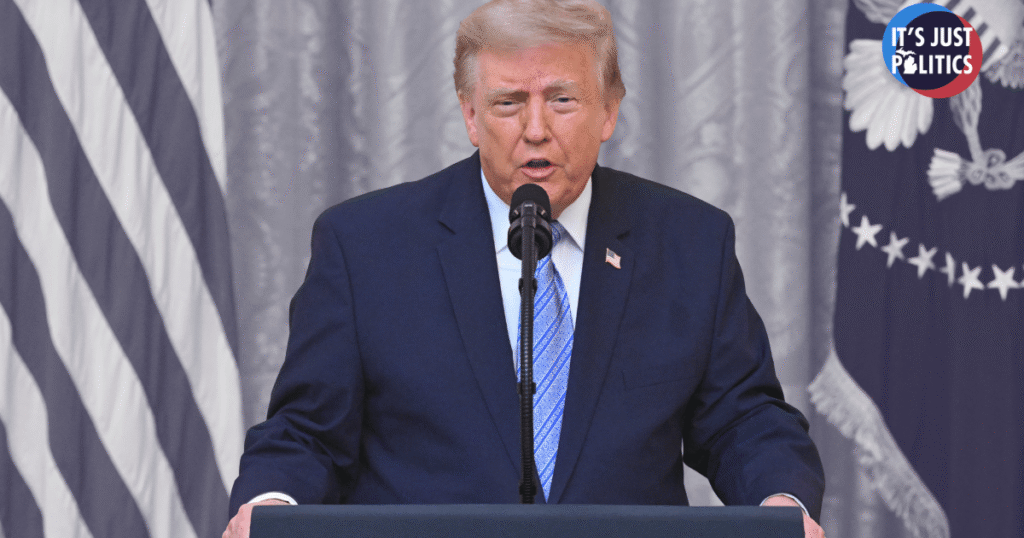
During a national address, Trump advocated for stricter federal oversight on voting processes, using the Muskegon case as a key example. He ordered the release of new documents to support his claims, though the case itself had been dismissed by federal authorities on his watch. Michigan election officials, however, argue that the Muskegon incident is actually an instance of the system’s strength in preventing electoral fraud.
In 2020, Muskegon City Clerk Ann Meisch identified and rejected hundreds of fraudulent voter registration applications. The discrepancies included similar handwriting on signatures and mismatched information with state records. The case was escalated to the FBI, who interviewed individuals linked to GBI Strategies, the voter-registration company involved.
Despite Trump’s insistence on reopening the investigation, Michigan Deputy Secretary of State Aghogho Edevbie emphasized, “The system worked. The clerk recognized the issue, reported it, and no votes were affected at all.” He further criticized Trump’s attempts to “rewrite history” and assured that Michigan elections remain secure.
The political ramifications in Michigan are significant, with upcoming elections for an open U.S. Senate seat and key state positions. Michigan Attorney General Dana Nessel expressed her commitment to resisting any federal overreach into state election matters. “Whether it’s unlawful executive orders, baseless demand letters for private voter information, or the President’s continuous misinformation campaign, my office stands ready to fight back,” she declared.
Opinions are sharply divided along party lines. Michigan House Republicans lauded Trump’s address for highlighting the Muskegon case, while Democrats dismissed it as a diversion from other pressing issues like the Iran conflict and economic challenges.
Politics in Focus: Endorsements, Rallies, and Economic Proposals
U.S. Senator Gary Peters has recently endorsed Congresswoman Haley Stevens in the Democratic primary for his Senate seat, marking a shift from his earlier stance of neutrality. The race against former public health official Abdul El-Sayed is viewed as a contest between the Democratic establishment and progressive wings. The winner will face Republican Mike Rogers in the general election.
Meanwhile, high-profile political figures such as U.S. Senator Bernie Sanders and Representative Alexandria Ocasio-Cortez are rallying in support of Abdul El-Sayed, marking AOC’s first campaign visit to Michigan this cycle.
On the legislative front, a proposal to increase taxes on high-income earners is under consideration. The proposed tax would impact individuals earning over half-a-million dollars and couples earning over a million, with the additional revenue earmarked for health, housing, and education. However, the proposal faces challenges in gaining the necessary legislative support to advance to a voter referendum.
—
Read More Michigan News