Legislation Aims to Regulate Michigan’s License Plate Reader Usage
The debate over privacy and surveillance is taking center stage as Michigan lawmakers propose tighter controls on the use of automated license plate readers. This move follows concerns over privacy and potential misuse of the technology.
Republican state Senator Jim Runestad from White Lake has put forward a bill targeting the widespread use of automated license plate readers by local law enforcement across the state. “Passively collecting information 24/7 as people go about their daily lives is a drastic overreach and goes well beyond public safety needs,” Runestad stated, emphasizing the need for regulation.
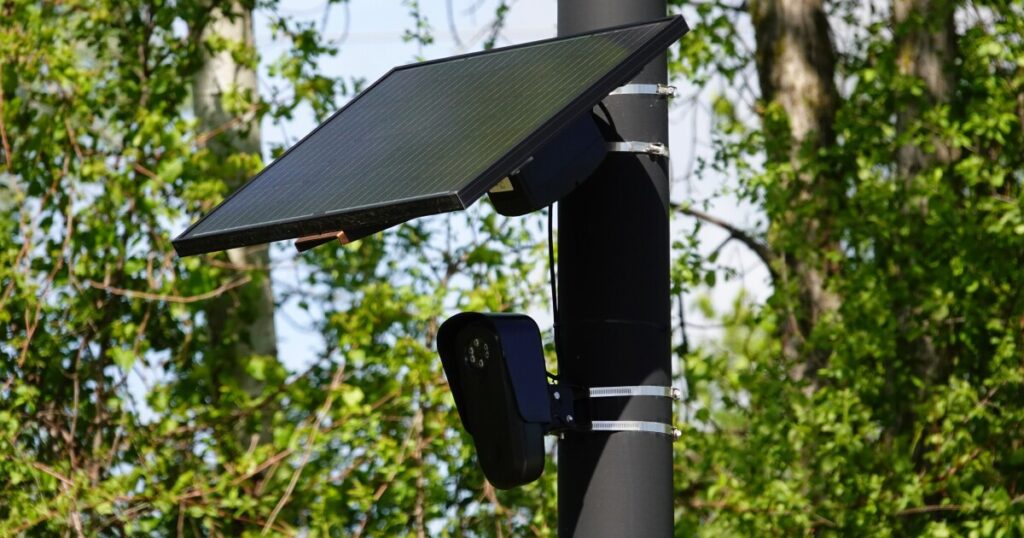
Currently, more than 180 law enforcement agencies in Michigan employ these cameras, predominantly supplied by Flock Safety, to aid in tracking stolen vehicles and assisting criminal investigations. However, Runestad’s legislation would impose stricter data retention and access protocols, including a mandate to delete data within 14 days unless a warrant is obtained for ongoing investigations or missing persons cases.
The initiative emerges amidst national debates on surveillance, spurred by instances of misuse. Notably, some officers have faced allegations related to the inappropriate use of Flock technology, including incidents of stalking.
In response to these concerns, several metro Detroit communities have already terminated their contracts with Flock Safety, citing issues related to privacy and data management. Gabrielle Dresner from the ACLU of Michigan highlighted the risks of data being used to track individuals’ movements to sensitive locations.
“These cameras are blanketing our streets quickly and this data is being stored for weeks, or months or in some states, even years,” Dresner warned. “This technology is quickly evolving into a powerful tracking tool.”
Runestad’s proposal aligns with earlier legislative efforts, such as House Bills 5493 and 5492, introduced by Democratic legislators. Dresner commented on the bipartisan nature of these efforts, noting that privacy concerns transcend political divisions.
While some oversight may be necessary, Ron Wiles, executive director of the Michigan Association of Chiefs of Police, cautioned that excessive regulation could undermine the effectiveness of these tools. He pointed out the lack of collaboration among stakeholders in crafting these regulations.
Flock Safety has expressed support for reasonable regulation, with spokesperson Courtney Terlecki stating, “Flock is strongly in favor of common-sense regulation that preserves the ability of law enforcement to use these highly effective technologies, while requiring the sorts of safeguards and accountability mechanisms communities expect.”
—
Read More Michigan News