U.S. Forest Service Proposal Could Transform Public Land Management
In a significant policy shift, the U.S. Forest Service has unveiled a proposal to dismantle existing federal guidelines that have restricted road development on approximately 45 million acres of public lands since 2001. The Roadless Area Conservation Rule, which has long been criticized by some as a hindrance to wildfire prevention efforts, is now under scrutiny.
Brooke Rollins, the Secretary of Agriculture, emphasized the urgency of the situation, stating, “Our forests can’t afford another decade of inaction.” She highlighted the detrimental impact of current restrictions, noting that they have left vast areas of forest vulnerable to overgrowth, insect infestations, and disease, ultimately increasing the risk of wildfires.
The proposed changes aim to enhance local decision-making by removing uniform regulatory constraints, thereby allowing more tailored land management strategies. If approved, the plan would lift road-building restrictions in all states except Idaho and Colorado, which are governed by separate rules.
Public input is being sought through September 21 as the Forest Service considers the environmental implications of the proposal. Details can be found in the Federal Register.
The proposal has garnered support from industry groups like the American Forest Resource Council, which represents over 50 forest product businesses. They argue that repealing the Roadless Rule will grant land managers more flexibility to manage wildfire risks and enhance forest health.
Conversely, conservationists have voiced strong opposition. The Center for Biological Diversity argues that the move would open vast, unspoiled forest areas to potential logging and development. Randi Spivak, the Center’s public lands policy director, criticized the proposal, accusing the administration of undermining public lands protection in defiance of public opinion. She stated, “These are some of the last truly wild forests left in the country, places that shelter endangered wildlife and protect our drinking water.”
A study cited by the Center suggests that human-induced wildfires are significantly more prevalent in areas with roads compared to roadless regions.
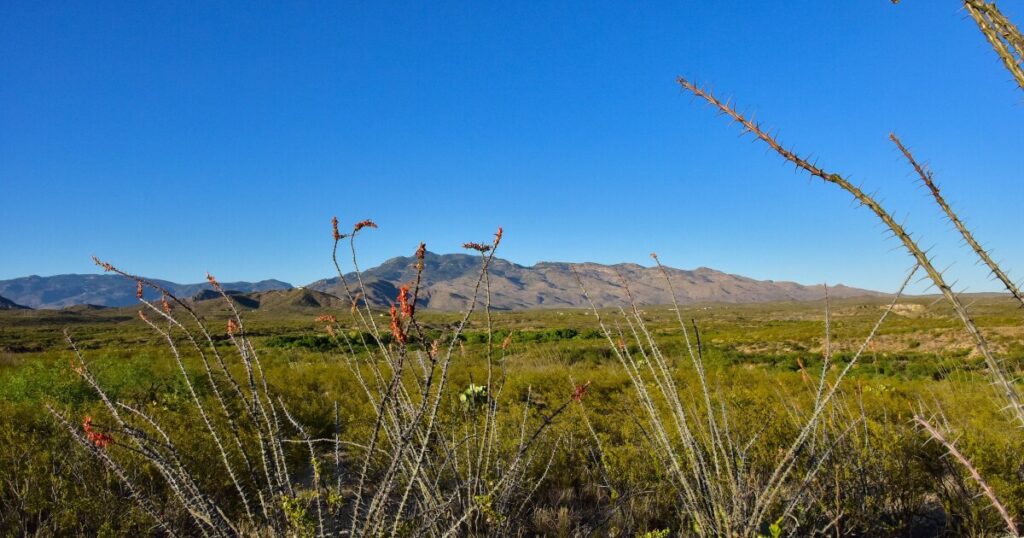
According to a map created by the group, roadless areas are prevalent in eastern Arizona and other parts of the state, such as the Verde Valley and Chino Valley.
Taylor McKinnon, Southwest director for the Center, emphasized the ecological significance of these roadless forests, stating, “They’re home to jaguars, Mexican spotted owls, and ocelots, some of the most iconic animals on the continent. Plowing roads into their habitat will bring human-caused wildfires and disturbances that they don’t need and can’t afford.”
—
Read More Arizona News

![Botched Ad Mix-Up: Super PAC Error in Arizona Congressional Race[embed]https://www.youtube.com/watch?v=bEMgIlCkHz0[/embed]](https://www.kitchentablenews.org/wp-content/uploads/2026/10/Botched-Ad-Mix-Up-Super-PAC-Error-in-Arizona-Congressional-RaceembedhttpswwwyoutubecomwatchvbEMgIlCkHz0embed.com2F0e2F962Fe971102f49e7a4f2a64fd3cc60a22Fjonatha.png "Botched Ad Mix-Up: Super PAC Error in Arizona Congressional Race[embed]https://www.youtube.com/watch?v=bEMgIlCkHz0[/embed]")