This past week in Michigan, political debates have captured the attention of many as candidates for various offices clash over key issues. From the gubernatorial race to the Secretary of State contest, each debate has provided voters with insights into the candidates’ visions and priorities.
Gubernatorial Debate
Democratic Secretary of State Jocelyn Benson and Republican Congressman John James (R-MI 10) took the stage to discuss major topics like foreign policy and energy. Benson attempted to link James to former President Donald Trump, while James stressed his independence from the Trump administration.
In terms of economic policy, Benson proposed suspending Michigan’s gas tax and suggested a potential trade agreement with Canada to mitigate tariffs, a move James questioned due to federal trade policy regulations. Both candidates agreed on a moratorium for data centers, but with different scopes: Benson favored a statewide approach, while James preferred local decision-making.
U.S. Senate Debate
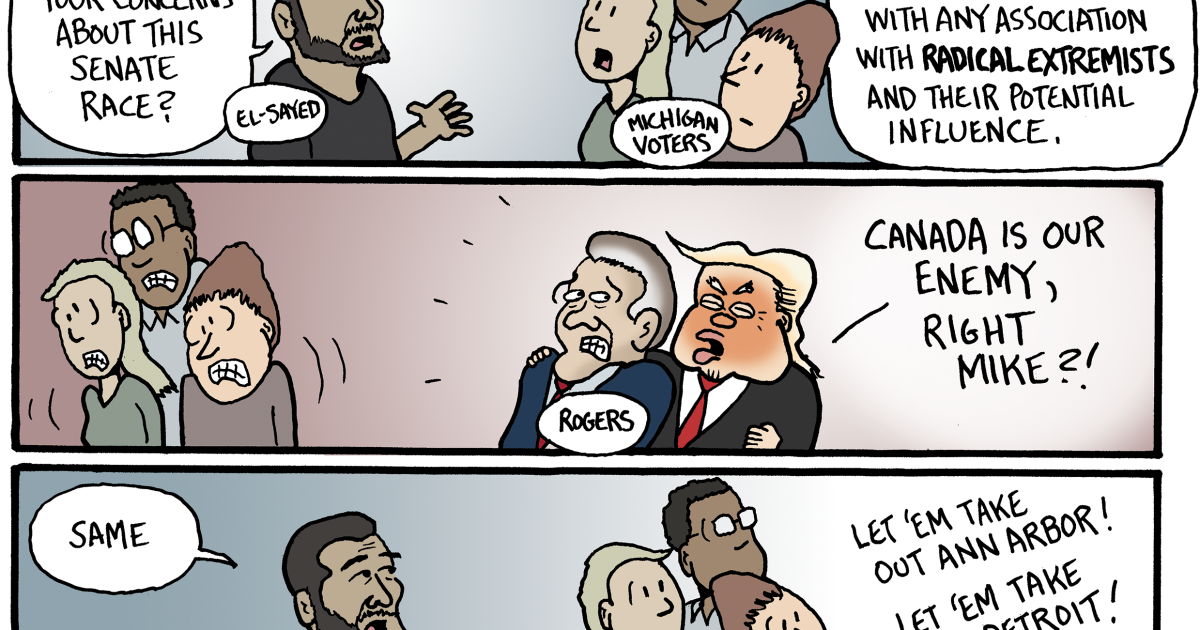
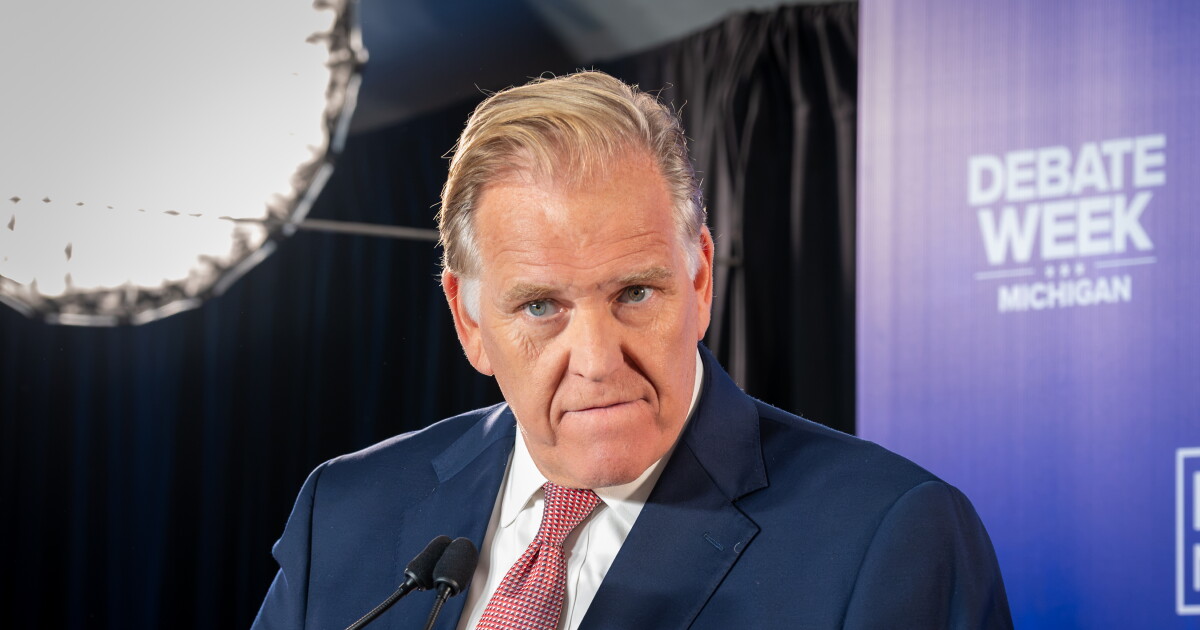
The U.S. Senate debate between Republican Mike Rogers and Democrat Abdul El-Sayed was marked by intense exchanges, with moderator Rick Albin stepping in to keep the debate on track. Rogers focused on El-Sayed’s past associations, while El-Sayed highlighted economic issues like rising gas and grocery prices, critiquing Rogers for inconsistent policy stances.
The debate also revealed differing views on foreign policy and government spending, with each candidate aiming to define the narrative of their opponent’s political identity.
7th Congressional District Debate
Republican Congressman Tom Barrett and Democrat Will Lawrence squared off in their first debate, scrutinizing each other’s past records. Barrett highlighted Lawrence’s previous social media comments about defunding the police, while Lawrence acknowledged his past statements, emphasizing his evolved stance on supporting police funding alongside community programs.
Lawrence challenged Barrett on his legislative record, including votes on tariffs and healthcare. The district’s mixed political alignment makes both candidates’ arguments crucial as they vie for voter support across party lines.
Secretary of State Debate
Democratic Lieutenant Governor Garlin Gilchrist and Republican Anthony Forlini debated election integrity, a contentious issue. Gilchrist criticized Forlini for hiring a January 6 protester, warning against legitimizing election conspiracies. Forlini defended the hire, advocating for inclusive dialogue on election security.
Gilchrist’s past request for a recount in the 2017 Detroit city clerk race was contrasted with outright election denial, highlighting their differing approaches to public confidence in election outcomes.
Debate Themes
Across all debates, candidates are not only competing on policy but also on framing the key questions voters should consider. The gubernatorial race questions accountability for state issues, while the U.S. Senate race focuses on personal versus policy considerations. The 7th Congressional District race debates the relevance of past statements versus legislative actions, and the Secretary of State contest highlights approaches to election integrity.
These debates reflect the broader political landscape, where candidates are striving to not only challenge their opponents but also influence the voter’s perspective on what issues are most critical.
Additional Resources
For more on these debates and other political news, visit our resources:
—
Read More Michigan News

![Jody White’s Unconventional Michigan Supreme Court Candidacy Explored[embed]https://www.youtube.com/watch?v=8NfxFIPE4ac[/embed]](https://www.kitchentablenews.org/wp-content/uploads/2026/10/Jody-Whites-Unconventional-Michigan-Supreme-Court-Candidacy-Exploredembedhttpswwwyoutubecomwatchv8NfxFIPE4acembed.com2F842F0e2Fc7223daa43c9876b36a4e00773a42Fme-supc.png "Jody White’s Unconventional Michigan Supreme Court Candidacy Explored[embed]https://www.youtube.com/watch?v=8NfxFIPE4ac[/embed]")