Historic Preservation in Phoenix: Balancing Heritage with Development
Phoenix, known for its blend of modernity and history, houses numerous historic buildings, from the renowned Orpheum Theatre, opened in 1929, to lesser-known sites like the Arizona Citrus Growers Association Warehouse near Chase Field. Despite established protections for these structures, preservationists argue that a “tear down culture” persists in the city.
Kimber Lanning, a staunch advocate for preservation and founder of Local First Arizona, emphasizes the economic advantages of maintaining older buildings. According to Lanning, preserving these sites boosts real estate, job creation, entrepreneurial ventures, and tourism. However, she notes, “We lost an entire generation of professionals that left this place because they were looking for something with more culture and more soul.”
Phoenix offers several initiatives for historic preservation, such as the Historic Property Register and the Adaptive Reuse Program that repurposes old buildings for new uses. Yet, Lanning believes the city could do more to prevent demolitions.
Helana Ruter, Phoenix’s Historic Preservation Officer, acknowledges the challenge of balancing growth and preservation, particularly as many newcomers to Phoenix lack a deep connection to its historical sites. “They see it just as a really new city and like, ‘Why do these things necessarily need to be preserved? We just need more houses,’” Ruter explains.
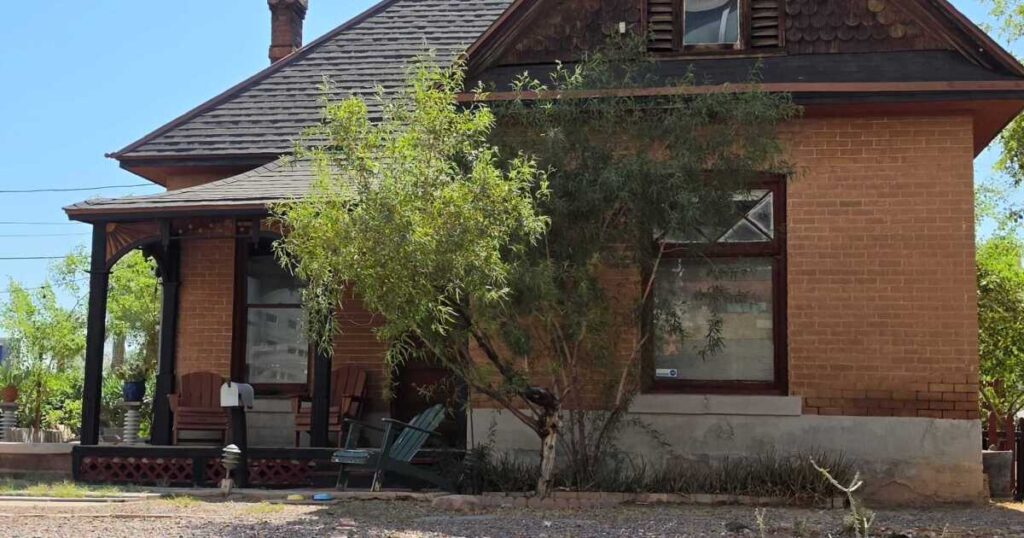
In a notable case, the Arizona Board of Regents attempted to claim eminent domain over the Louis Emerson House, a historic property owned by 89-year-old Robert Young. Public backlash led to the lawsuit’s withdrawal. Young remarked, “Everybody that sees the house, comes by the house, they love the house, the single exception being ASU and the city of Phoenix. It’s an embarrassment.”
The city’s protections offer more than federal ones, Ruter notes, yet they can be overridden by state or federal government actions. “So most people, when they hear about the National Register of Historic Places, they’re like, ‘Oh, that’s the one with the big protection,’” Ruter stated. “And it’s like, well, actually that one’s the more honorific designation.”
Despite these challenges, efforts continue to preserve Phoenix’s historic sites, with ongoing discussions about improving processes and securing more resources for preservation initiatives. Lanning advocates for a streamlined process and greater support, suggesting that while preserving historic buildings may require significant initial investment, the long-term benefits to the city are substantial.
Ruter’s office is actively seeking additional funding to enhance preservation efforts, aiming to develop more tools to protect Phoenix’s rich architectural heritage.
—
Read More Arizona News