Routine Traffic Stops in Michigan: A Gateway to Deportation
In a seemingly ordinary traffic stop in Taylor, Michigan, two Colombian nationals found themselves detained and eventually deported. Officer Ryan Jowske initially stopped the vehicle for tinted windows, but a lack of identification led to their detention by U.S. Border Patrol. This incident is not isolated, but rather a reflection of a pattern seen across local police departments in Michigan.
Many local police departments in Michigan have been involved in turning over migrants to federal immigration authorities, as highlighted by Michigan Public and Outlier Media’s analysis of public records. Instances that begin with minor infractions such as cracked windshields or jaywalking often escalate to deportation proceedings.
Despite the lack of obligation to report migrants to federal authorities in such cases, many police departments continue this practice. Experts argue that it damages community relations and diverts local resources from public safety efforts. The collaboration between local law enforcement and federal immigration agencies has seen a significant rise, much of which goes unnoticed by the public.
“It’s probably still the most common way someone ends up in immigration custody,” said Ramis Wadood from the American Civil Liberties Union of Michigan. He noted that this practice happens daily and has become routine for many agencies.
Michigan Public and Outlier Media have compiled an extensive list of police reports related to immigration since 2021, shedding light on the extent of local cooperation with immigration authorities. Although these records likely underestimate police involvement, they provide a rare glimpse into these interactions.
Youssef Fawaz, a spokesperson for U.S. Border Patrol, expressed pride in the collaboration with local law enforcement, emphasizing their role in community safety. However, data shows that the majority of those detained for immigration reasons have no criminal history, and many encounters stem from minor infractions.
The Taylor Police Department is among the few in Michigan with formal agreements to cooperate with U.S. Immigration and Customs Enforcement (ICE). However, Police Chief John Blair did not respond to inquiries about the department’s cooperation with federal authorities.
Political Influences on Policing Practices
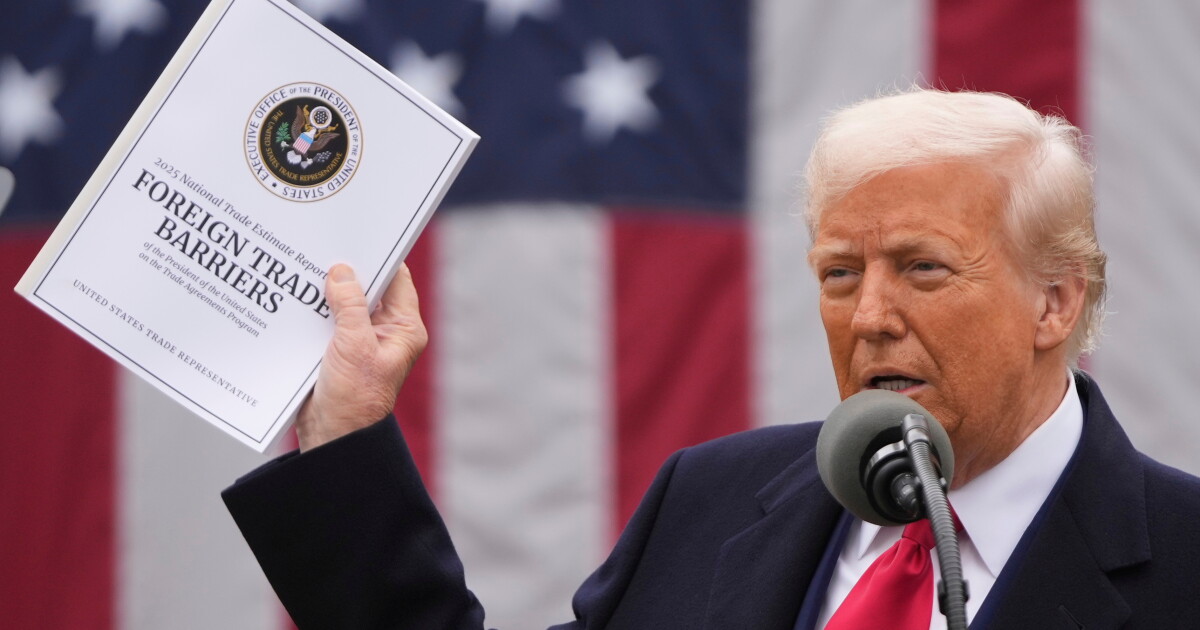
Historically, Detroit area police departments have cooperated with Border Patrol. This cooperation appears to have intensified with the return of Donald Trump to the presidency. In the reviewed cases, there was a significant increase in calls to immigration authorities after Trump resumed office.
In contrast, during Joe Biden’s administration, local officers often found federal agents uninterested in pursuing non-violent offenders. Yet, the political shift with Trump’s return has reinvigorated federal interest in such cases.
“Our focus and priority is the safety of those in Van Buren Township, not their immigration status,” stated Jason Wright, police chief of Van Buren, explaining the use of Border Patrol as a resource to prevent unlicensed individuals from driving away after a traffic stop.
However, the evidence suggests that changes in federal priorities, rather than public safety, are driving these policing practices. Communities with strong support for Trump, such as Shelby Township and Sterling Heights, are more active in immigration enforcement. Shelby Township’s police chief even hosted a campaign event for Vice President JD Vance.
Law enforcement representatives refute the notion that these practices are politically motivated. “I think the public should expect officers to follow the law, not politics,” said Ron Wiles of the Michigan Association of Chiefs of Police.
Local Decisions, Vast Implications
Police officers have considerable discretion in deciding whether to participate in immigration enforcement. Unlike formal agreements with ICE, such as Taylor’s, many decisions are made at the local level. This can mean the difference between a minor citation and weeks of detention or deportation.
In one case, Southgate police detained individuals for jaywalking. The lack of English proficiency and identification led to their handover to Border Patrol. These incidents reveal a pattern where routine encounters with police escalate due to language barriers and identification issues.
While some police departments, like Southfield, avoid questioning immigration status to maintain community trust, others’ practices vary significantly. The same encounter in different jurisdictions can lead to drastically different outcomes.
Impact on Families
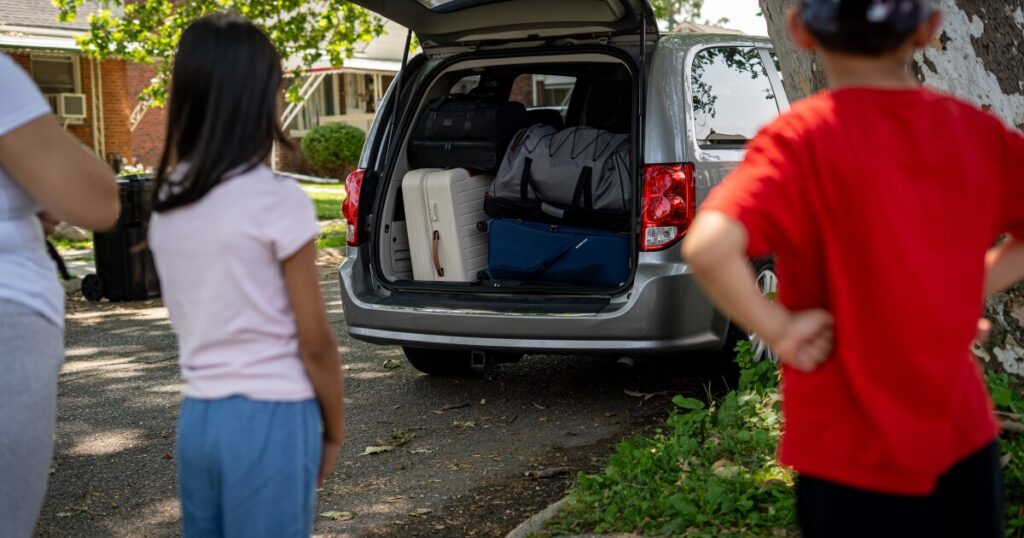
The case of J, a Colombian national detained in Taylor, exemplifies the personal toll of these practices. Detained and deported after a traffic stop, J spent two months in various detention facilities, enduring stress and weight loss. His family, having settled in the U.S. since 2022, was uprooted and opted for voluntary departure under a Trump administration program.
This story illustrates how minor infractions can lead to severe consequences, uprooting families and disrupting lives built in the United States.
Beenish Ahmed contributed reporting to this story. For more on the methodology behind this report, see here.
—
Read More Michigan News