Meta’s Major Settlement: Arizona Secures $223 Million Over Teen Mental Health Concerns
Arizona is set to receive $223 million as part of a monumental $17.1 billion settlement with Meta, addressing the impact of social media on teen mental health. This agreement represents one of the most significant consumer protection settlements since the Big Tobacco case in 1998.
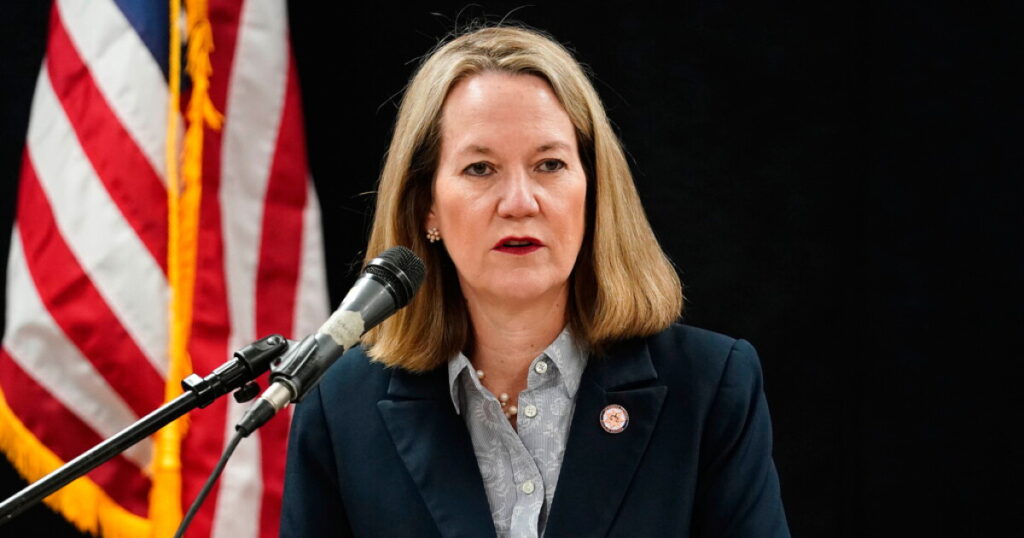
Attorney General Kris Mayes, who played a pivotal role in the settlement, expressed the profound impact of this achievement. “This is the most important thing I think I will ever do as attorney general,” Mayes stated. “It’s going to change the face of social media forever.”
The settlement requires Meta to implement substantial changes, including age verification and a two-hour daily time limit for teens aged 13 to 17 on Instagram and Facebook. Additionally, mandatory breaks will be enforced after 15, 60, and 90 minutes of use, and access will be restricted from midnight to 6 a.m., with no push notifications during school days.
Meta is also tasked with removing features like beauty filters and “like” counts, and with limiting exposure to harmful content such as cyberbullying and materials promoting eating disorders, suicide, and self-harm. The company has agreed to encourage other platforms, such as TikTok and YouTube, to adopt similar measures.
C.J. Mahoney, Meta’s chief legal officer, commented on the settlement, stating, “The framework we’ve negotiated will empower parents to easily manage how their children access our platforms.”
Examining the Financial Allocation
The funds from the settlement are earmarked for various initiatives, including school programs, crisis intervention services, and mental health programming, all aimed at combating social media addiction.
The state of Arizona will receive its first payment within 30 days, followed by another in January. However, determining how these funds will be allocated is expected to spark a debate between the Attorney General and the state legislature.
Attorney General Mayes has emphasized the importance of directing funds toward mental health counseling in public schools. In contrast, Republican leaders have voiced their intent to influence the allocation process, opposing a singular focus on public education.
Under state law, the Attorney General administers consumer restitution funds, while funds not specifically earmarked by court order are subject to legislative appropriation if exceeding $4 million annually. Mayes is currently devising a distribution plan, with a focus on transparency and accountability.
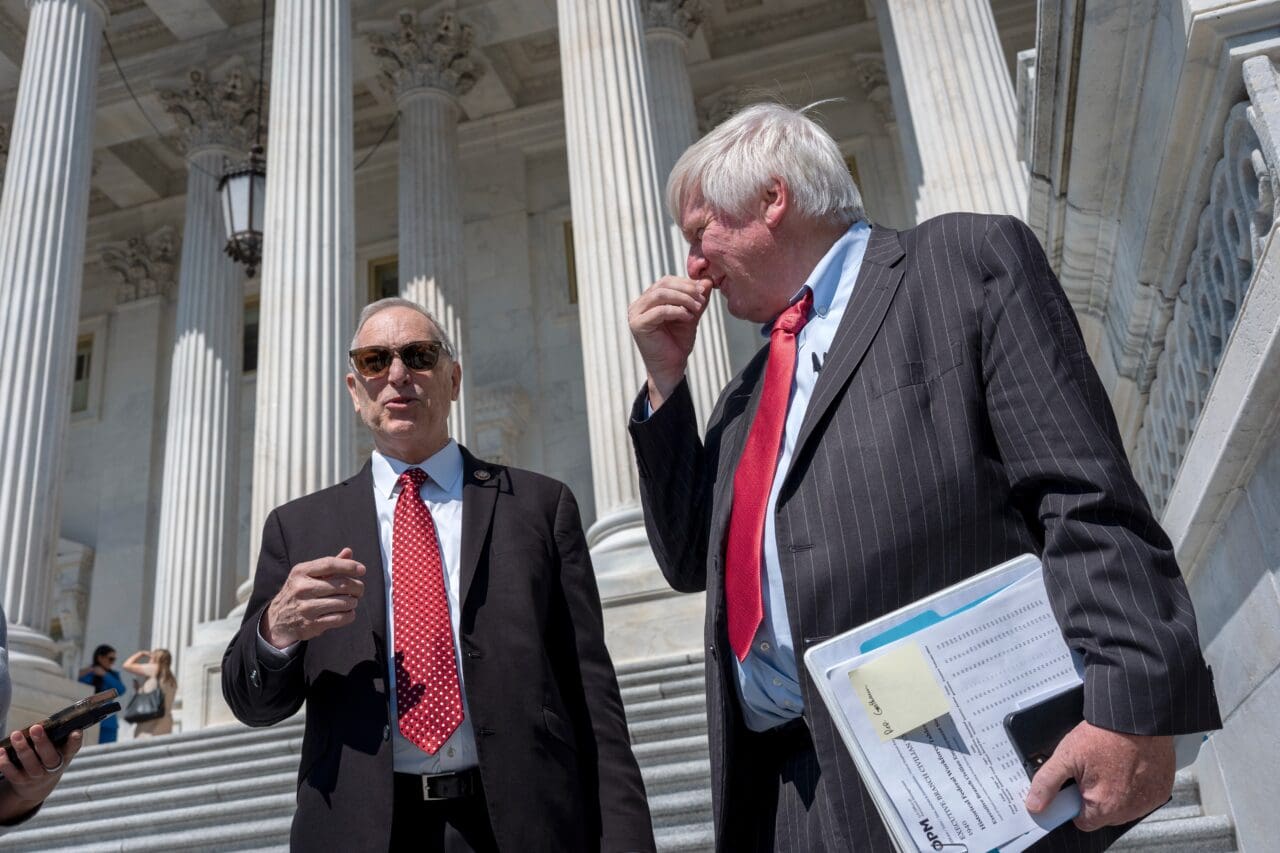
Senate President Warren Petersen expressed the need for careful consideration of the settlement funds, stating, “Attorney General Kris Mayes does not get to unilaterally decide how $223 million in taxpayer money is spent.”
Political dynamics further complicate the process, as Petersen, a Republican nominee for attorney general, seeks to challenge Mayes in the upcoming election. This situation echoes past disputes Mayes has faced with state lawmakers over settlement fund allocations.
—
Read More Arizona News