This story is produced by Montana Free Press/Mountain Journal in collaboration with Grist as part of the Report for America Local News Initiative.
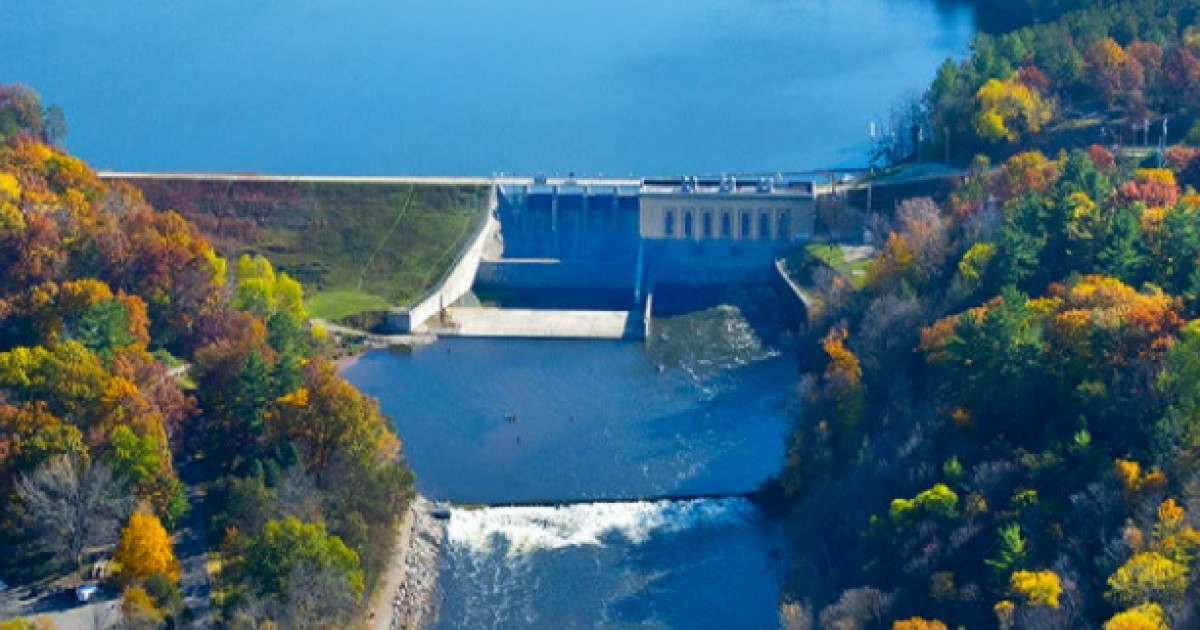
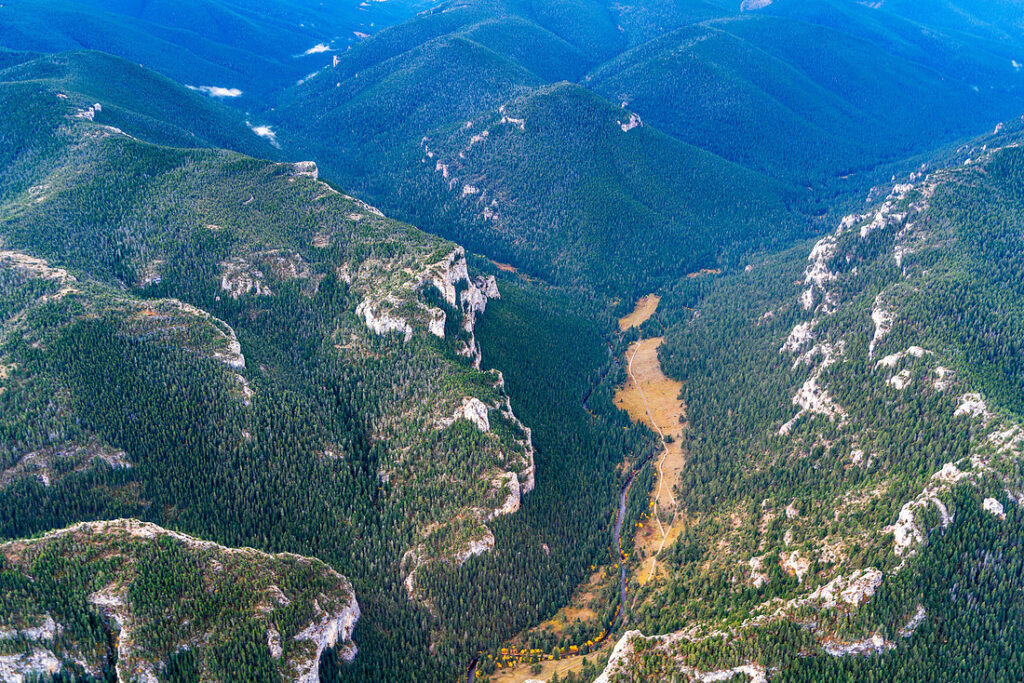
A cutthroat trout wouldn’t have thrived in the Middle Fork of the Judith River before 2023. Over a 6-mile stretch in central Montana, there were over 80 river entries and 27 shallow spots traversed by vehicles. Chris Edgington, a watershed project manager with Montana Trout Unlimited, noted that by 2020, vehicles caused sediment runoff so severe it nearly eliminated fish.
“The fish population was estimated to be less than 10 percent of what we’d expect of a river that size and character,” Edgington said. “The river had become over widened and shallow creating unusual riffles, and the river couldn’t manage its sediment load.”
Traffic was the primary issue, with vehicles crossing rivers causing erosion and sediment influx, which suppressed insect life and fish spawning.
To tackle this, Edgington collaborated with groups like the OHV community, Great Falls Trail Bike Riders Association, Trout Unlimited, Wild Montana, and government agencies including Montana Fish, Wildlife and Parks, and the U.S. Forest Service.
Between 2020 and 2023, the coalition rebuilt 1,000 feet of riverbank, reduced crossings by 80%, and added a new OHV/Jeep trail to allow recreation without harming the river. Fish populations have started to recover, restoring water quality and the native cutthroat trout.
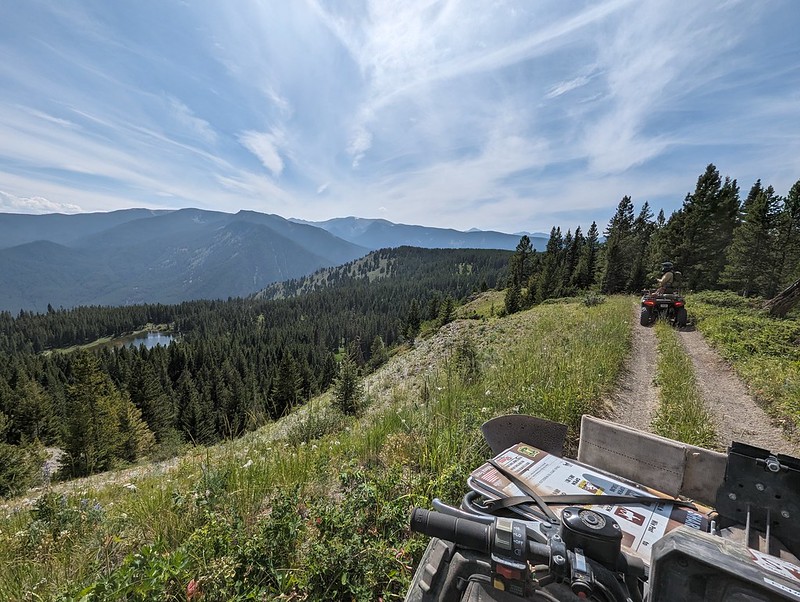
Off-highway vehicles legally crossed the river, but the sediment they caused severely impacted river health. “I’m totally OK with appropriate machine use in the forest,” Edgington said. “But there’s just places where the ecosystem is too sensitive to use this equipment.”
Recreation in national forests is regulated by the Forest Service’s Travel Management Rule, dictating when trails are open for motorized and non-motorized use. However, a Trump administration proposal might reverse the policy from “closed unless designated open” to “open unless designated closed.”
“A full repeal would create more problems than it intends to solve,” Edgington said, noting potential conflicts among user groups and negative impacts on river restoration projects.
Portions of the Middle Fork are protected as Wilderness Study and Inventoried Roadless Areas, offering essential protections for conservation efforts. The Forest Service is seeking public feedback on the Travel Management Rule changes through September 23.
These changes align with broader national forest policy shifts, such as rescinding the Roadless Rule, which protects 45 million acres from road building and logging. The first public comments showed overwhelming opposition.

The Forest Service extended the comment deadline by 15 days to October 6. Hillary Eisen, from Wild Montana, emphasized these rules help sustain public lands for future generations, ensuring intact habitats for clean water and wildlife.
Eisen expressed concerns that without proper guidelines, motorized users might access inappropriate trails, leading to broader environmental impacts. Kerry White of Citizens for Balanced Use advocates for open trails, arguing they enhance recreational access.
Changes to these policies are occurring alongside other national environmental rollbacks, raising concerns about the undervaluation of public-land systems. Edgington stresses the need for thoughtful regulation to maintain cold, clean water and preserve fish and wildlife resources.
—
Read More Montana News