Historic Win for Abdul El-Sayed: A New Chapter in U.S. Politics
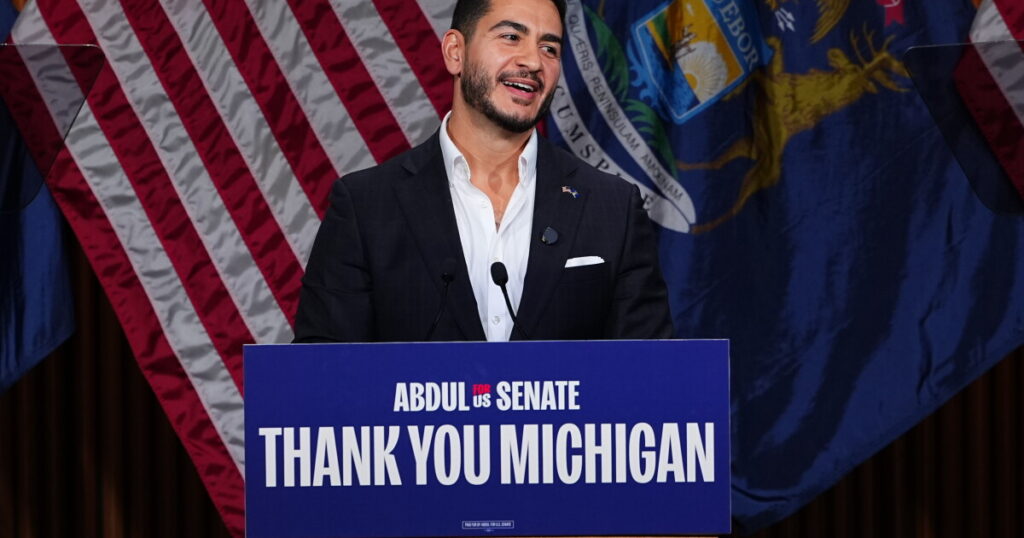
In a significant electoral triumph, Abdul El-Sayed has made history by winning a seat in the U.S. Senate, becoming the first Muslim to achieve this in Michigan. Despite not campaigning on his religious identity, El-Sayed’s victory is seen as a pivotal moment for Muslim Americans, as it counters the waves of anti-Muslim sentiment that have surged in the political discourse.
“They tried to demonize people because of how they pray,” he told The Associated Press. “And Michigan — the whole Michigan — clapped back. People don’t want that. They’re sick of it.”
El-Sayed’s victory speech resonated with many, as he proudly proclaimed his heritage, stating: “My name is Abdulrahman Mohamed El-Sayed.” His win comes 25 years after the Sept. 11 attacks, a period during which anti-Muslim rhetoric became more pronounced in the United States.
The past year saw an increase in such rhetoric, especially following Zohran Mamdani’s election as New York City mayor. President Donald Trump labeled El-Sayed a “jihadist,” amidst a broader GOP narrative that painted Sharia law as a threat to American values. However, El-Sayed’s win against GOP rival Mike Rogers signifies a broader acceptance and inclusivity in American politics.
Nihad Awad, national executive director of the Council on American-Islamic Relations, remarked, “Anti-Muslim extremists, Israel lobby groups and even the president of the United States used every smear in the book to paint Dr. El-Sayed as a Muslim boogeyman. None of it was true, and none of it worked.”
Dearborn Celebrates a Milestone
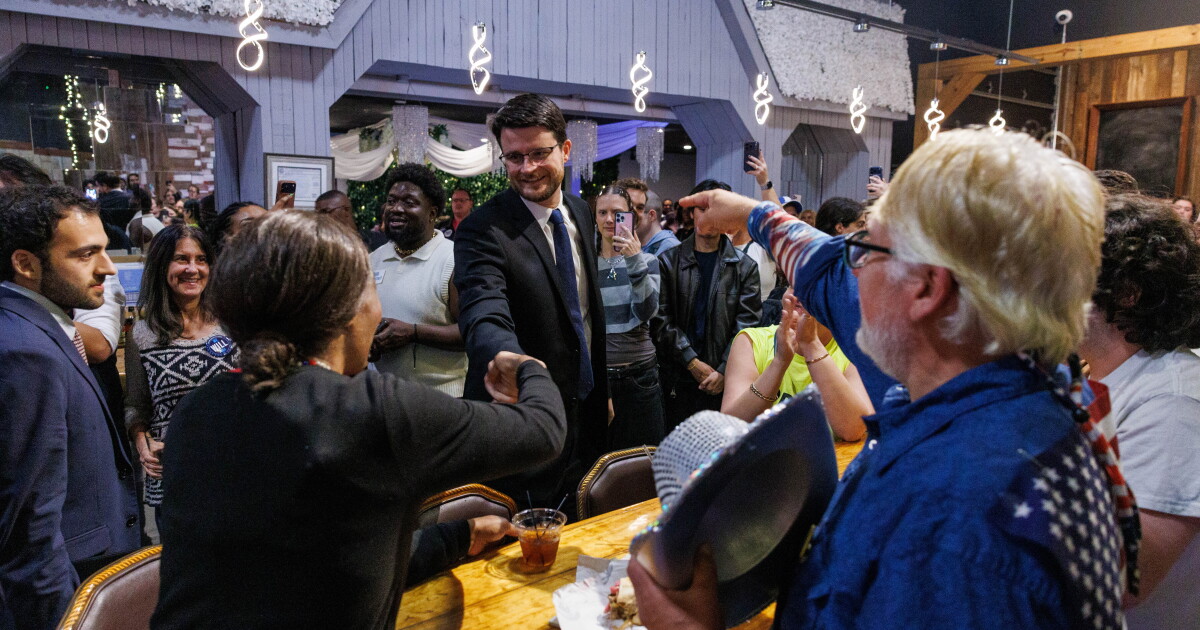
Dearborn, a city with a large Arab American population, celebrated El-Sayed’s victory. Mayor Abdullah Hammoud highlighted the turnout, saying, “What a beautifully American story. One of our brightest and best earned the support of the majority of Michiganders who participated in yesterday’s election.”
Hammoud emphasized that El-Sayed’s win was not solely based on his identity but his platform, drawing parallels with Bernie Sanders’ 2016 presidential campaign, which was popular in Dearborn. “It was honestly because of the policies and building a coalition with this community in an honest way,” he noted.
Local canvasser Zaynah Jadallah acknowledged El-Sayed’s grassroots approach and his pride in his heritage as key factors in his name recognition. Yasmin El-Sayed, attending the victory celebration, expressed her joy at witnessing such a momentous occasion for Muslim Americans.
A Broader Message of Representation
El-Sayed’s election is seen as a testament to representation for those who feel marginalized. He stated, “I didn’t run to be the first Muslim senator. I ran to be the next senator of the state of Michigan who happens to be Muslim.”
Mohamed Gula, CEO of Emgage Action, celebrated the victory, highlighting the rejection of Islamophobic rhetoric. He emphasized, “For Abdul to come out last night and use his full name meant the world to someone who grew up in post-9/11 America.”
The Debate Over Sharia Law
Sharia law became a contentious topic during the campaign, with GOP figures like Ted Cruz asserting its incompatibility with American values. However, Muslim leaders defended it as a guide for personal conduct, akin to religious codes in other faiths.
Texas officials like Greg Abbott and Ken Paxton, who led anti-Sharia campaigns, faced electoral defeats, signaling a broader rejection of hate as a campaign tool. Asma Uddin, a law professor, expressed optimism about El-Sayed’s victory, noting it challenges the political weight of anti-Muslim attacks.
—
Read More Michigan News