The Science Behind Autumn’s Stunning Leaf Colors
As autumn sets in with its shorter and cooler days, nature unveils a captivating display of vibrant leaf colors. But why do some years offer a more spectacular show than others? The answer lies in the unique chemistry of certain trees and how their leaves respond to variations in sunlight and temperature.
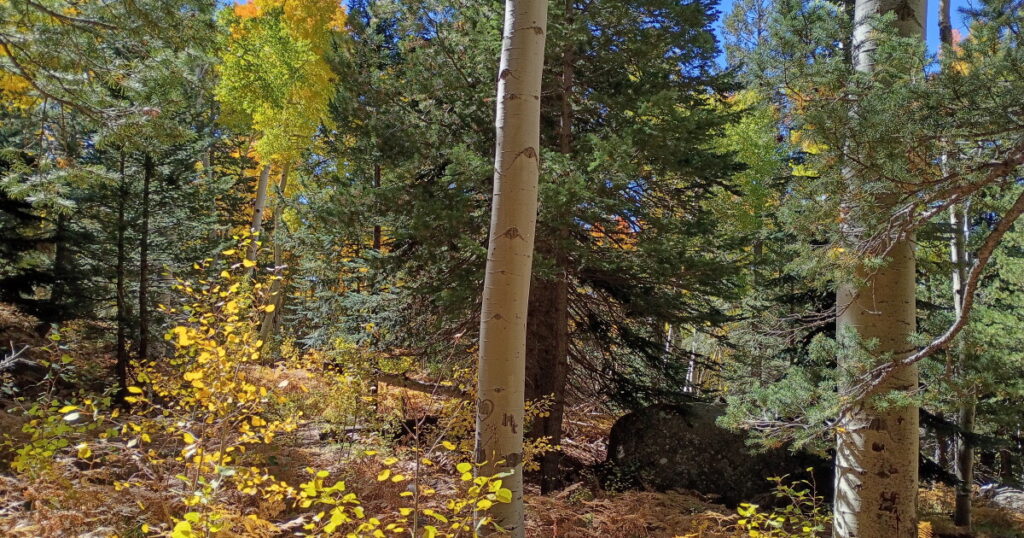
Not all trees respond to weather changes in the same way when it comes to their autumn colors. Aspens, cottonwoods, and similar plants boast yellow hues, which are due to chemicals present in their leaves throughout the growing season. These yellow pigments are usually hidden by the dominant green of chlorophyll, which diminishes as it breaks down in the fall. Thus, the yellow remains fairly consistent annually, as the chemicals responsible for it are unaffected by weather.
On the other hand, the red and purple shades seen in maples, sumacs, dogwoods, and others are a different story. These hues are generated by anthocyanins, chemicals found in leaves all year round. For specific plant species, the creation of anthocyanins increases during autumn under optimal conditions, which include sunny days combined with cool, frost-free nights.
During bright autumn days, leaves produce a significant amount of sugar. Cool nights slow down the transport of sugar from the leaves to the tree branches, causing sugar to accumulate in the leaves and enhancing anthocyanin production.
The outcome is a breathtaking array of fuchsia, crimson, and burgundy colors that adorn the autumn scenery. However, if the season is marked by many cloudy days or excessively frosty nights, the leaves generate fewer anthocyanins, leading to less vibrant colors.
This Earth Note was initially broadcast in 2011, authored by Alexandra Murphy, and produced by KNAU and the Sustainable Communities Program at Northern Arizona University.
“`
—
Read More Arizona News