Article Summary –
The 2025-26 U.S. school year saw nearly 12,000 book bans, with PEN America finding that more than 7,370 unique titles were restricted, mostly in Texas and Florida, influenced by state legislation and governmental pressure. The bans primarily targeted young adult fiction, with a notable trend of removing books about personal identity, authored by people of color, women, and LGBTQ+ individuals, which contributes to ongoing literacy crises and limits students’ access to diverse perspectives. Additionally, the report highlights a new trend in using AI to recommend which books to ban, further sidelining the expertise of librarians, who are being overridden by political and administrative decisions driven by ideological concerns.
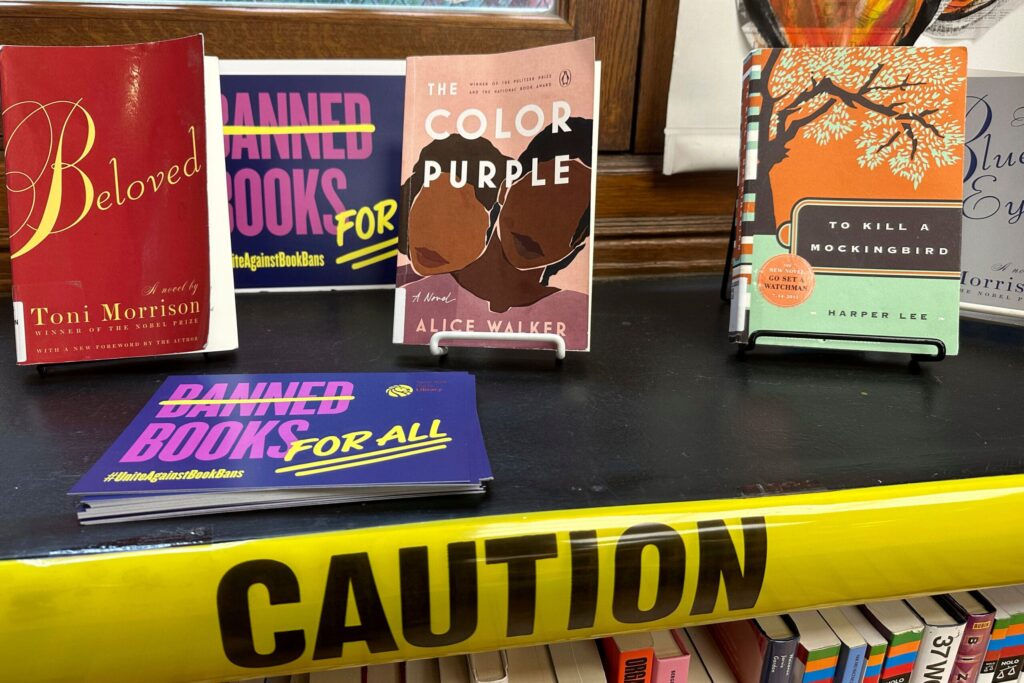
During the 2025-26 school year, U.S. public schools banned books nearly 12,000 times, marking the highest number since 2021, according to a new report by PEN America.
Over 7,370 different titles were banned in public schools by more than 4,000 authors, illustrators, and translators. The report reveals that over 4,500 titles were newly banned, indicating a growing trend. A total of 114 school districts implemented bans, an increase from 87 the previous year.
PEN America defines a school book ban as any action against a book due to its content, which results in restricted or removed access for students.
Philomena Polefrone, senior manager of PEN America’s Freedom to Read initiative, noted that tracking began in the 2021-2022 school year, with an initial 2,500 bans, already a noteworthy increase for the U.S.
The report highlights that 58% of banned books are young adult, with 87% being fiction. Polefrone confirmed that books concerning personal identity are frequently banned, affecting works by authors of color, women, LGBTQ+ authors, and those covering social activism.
Polefrone expressed concern that bans on young adult fiction exacerbate literacy and recreational reading challenges. “Book bans worsen these issues by making contemporary fiction less accessible to young people,” she said.
Most bans were recorded in Texas and Florida, with over 8,100 in Texas and more than 3,200 in Florida. PEN attributes the rise in Texas to a 2025 state law granting school boards wide banning powers.
In Florida, government actions have driven many bans. “The Florida Board of Education heavily criticized the Hillsborough superintendent, labeling some books’ inclusion as child abuse, impacting numerous districts,” Polefrone said.
At an Aug. 19 press conference, Texas Lt. Gov. Dan Patrick displayed book covers he deemed “filthy” and pledged to legislate against schools retaining specified titles. “You can buy any book you want, but we won’t use taxpayer money for them in schools,” he stated.
Polefrone warned of a chilling effect from state politicians’ actions. A new trend involves artificial intelligence tools recommending book bans. PEN’s findings show AI often suggests bans based on prior actions in other districts rather than obscenity issues.
“Trust librarians—they are well-trained to match books to readers. In many cases, their expertise is overridden by those claiming to know better without having read the books,” Polefrone advised.
—
Read More Wisconsin News


![ICE Pursuit Ends in Fatal Grand Rapids Crash, Details Emerge[embed]https://www.youtube.com/watch?v=m6UY04VfQ-U[/embed]](https://www.kitchentablenews.org/wp-content/uploads/2026/10/ICE-Pursuit-Ends-in-Fatal-Grand-Rapids-Crash-Details-Emergeembedhttpswwwyoutubecomwatchvm6UY04VfQ-Uembed.com2F0d2Fef2F2fd3ad944f8596721c8fe9408c3e2Fimg-978.jpeg "ICE Pursuit Ends in Fatal Grand Rapids Crash, Details Emerge[embed]https://www.youtube.com/watch?v=m6UY04VfQ-U[/embed]")