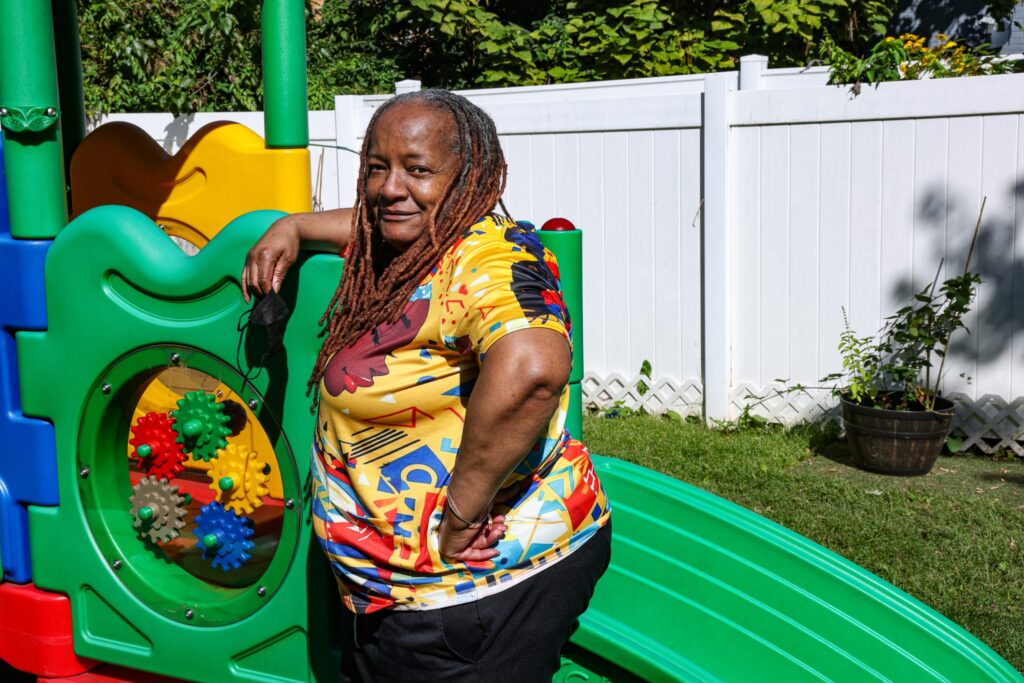
Sylvia Crews has dedicated over 20 years to early childhood education, with the last decade managing her home-based child care in Washington, D.C. In 2015, she founded LTH Infants and Toddlers Center, caring for up to nine children aged 6 weeks to 3 1/2 years, with a staff of four. Crews, at 67, plans to continue her work but is concerned about attracting younger people to the field.
“At a point, I know I’ll have to stop,” Crews remarked, pondering the future generation of child care providers. More than half of home-based child care providers are over 50, based on federal data, and only 4% are under 30. Larger centers, however, see about a third of their workers in this younger age group.
Child care centers, including preschools and prekindergarten, are preferred by 66% of children in nonparental care, according to federal surveys. Home-based care, chosen by 17% of families, offers flexibility that larger centers often lack. Only 8% of large centers provide care during non-standard hours, compared to over a third of licensed home-based providers.
Home-based centers might also cater to specific family needs, such as language preferences or unique curriculums. Natalie Renew of Home Grown emphasizes the responsiveness of home-based care, which offers personalized services like vegan meals or religious observances.
A report shows over 97,000 small home-based providers closed between 2005 and 2017. Hayley Village, with 45 years in the field, highlights how her center in San Mateo, California, incorporates cultural celebrations into its curriculum, enhancing the connection with families.
Experts worry about the future of home-based care as the current workforce ages. Anna Powell notes the closure of centers signals a concerning trend rather than a lack of demand. The affordability of retirement is a significant issue for aging providers, as home-based centers typically lack retirement benefits.
Village points out that competing salaries from companies like Amazon make retaining child care workers challenging. Many aspiring providers struggle with home ownership, a common requirement for running a home-based center, due to high property costs.
Some states offer support, such as Nebraska’s $5,000 grants for family child care, Connecticut’s space-sharing programs, and temporary grants in Louisiana. However, Sylvia Crews believes these measures fall short, advocating for more affordable child care nationwide.
As more home-based providers retire, experts stress the need for policy changes to ensure sustainable child care options. Village plans to transition from direct care to advocacy, pushing for more collaborative decision-making in policy.
—
Read More Kitchen Table News