The political landscape in Michigan has been stirred by a recent $1.5 million advertising campaign aiming to sway Black voters against Democratic U.S. Senate candidate Abdul El-Sayed. This effort, led by the group Empowering Black America PAC, emerged just days before a significant rally featuring former President Barack Obama. The campaign highlights existing racial tensions and questions El-Sayed’s support within the Black community.
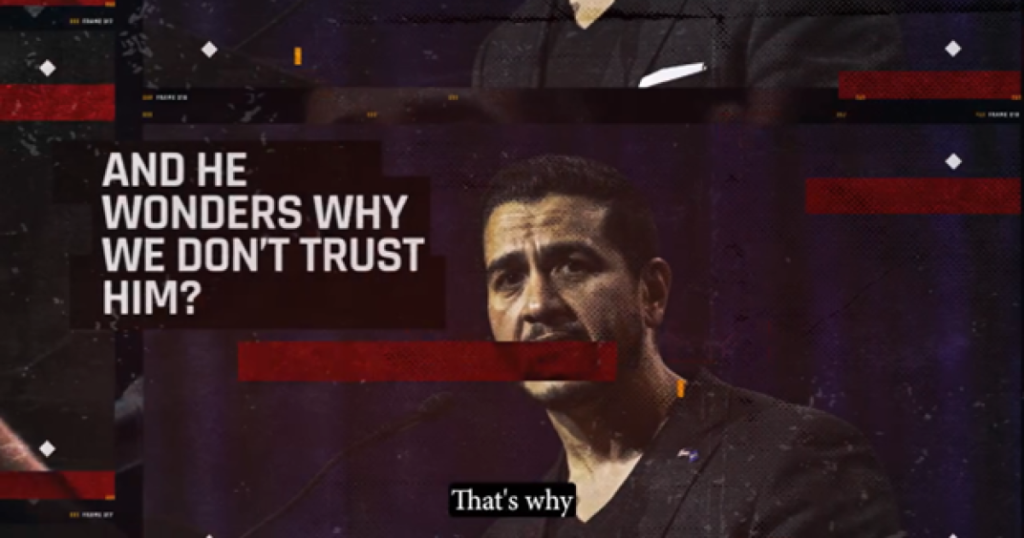
Empowering Black America PAC’s ads convey a negative portrayal of El-Sayed, using descriptors like “Disrespectful. Dismissive. Dishonest.” These ads are part of a broader Republican strategy to undermine a key Democratic voter base, coinciding with Republican candidate Mike Rogers’ outreach efforts targeting Black voters in cities such as Detroit, Pontiac, and Flint.
Origins and Influence
The ads from Empowering Black America PAC have created confusion regarding their origins, as they employ inclusive language suggesting a grassroots Black community initiative. However, financial disclosures reveal the primary donor is based in Florida, with significant contributions to Republican causes and pro-Israel PACs. The American Israel Public Affairs Committee (AIPAC) has notably spent $30 million against El-Sayed in previous elections.
Historical Context: Flint’s PR Crisis
The involvement of Mercury Public Affairs, a Washington D.C.-based firm, links the current political ads to past controversies. Mercury managed public relations during the Flint water crisis, developing strategies that spread misinformation about the crisis’s impact and the roles of those involved. This firm continues to play a significant role in Empowering Black America PAC’s strategy, having been paid over $80,000 for services since 2024.
Flint resident Arthur Woodson, who witnessed Mercury’s tactics firsthand, remains skeptical of their methods. He stresses the importance of public awareness regarding their current involvement, stating, “They use Black communities to try to get you to go against the people who really are trying to help you.”
El-Sayed’s Response and Community Sentiment
In response, El-Sayed’s campaign has criticized the misleading attacks, emphasizing his track record in addressing health disparities and environmental issues, including his proactive measures during the Flint water crisis. Roxie Richner, a spokesperson for El-Sayed, noted, “The same PR firm Rick Snyder hired during the Flint water crisis is now trying to mislead Black Michiganders about a doctor who has spent his career fighting to improve health outcomes and equity.”
Despite the advertising efforts, recent polls indicate strong support for El-Sayed among Black voters, with an 88% approval rating among likely voters in this demographic, compared to Rogers’ 4%.
Persistent Narratives and Realities
The ads play into existing narratives questioning El-Sayed’s support among Black voters, perpetuated through media channels and political discourse. However, these narratives conflict with polling data showing substantial backing for El-Sayed. His continued advocacy against government failures, particularly related to the Flint water crisis, remains central to his platform. El-Sayed has promised to push for significant investments in water infrastructure and governmental accountability.
While the ads exploit lingering community tensions and historical distrust, individuals like Woodson find the political maneuvering tiresome. “I’m just tired of all the politics, man,” he expressed, highlighting the fatigue felt by many amidst ongoing political battles.
—
Read More Michigan News