Navajo Nation’s Shift from Coal: A New Era in Tribal Politics
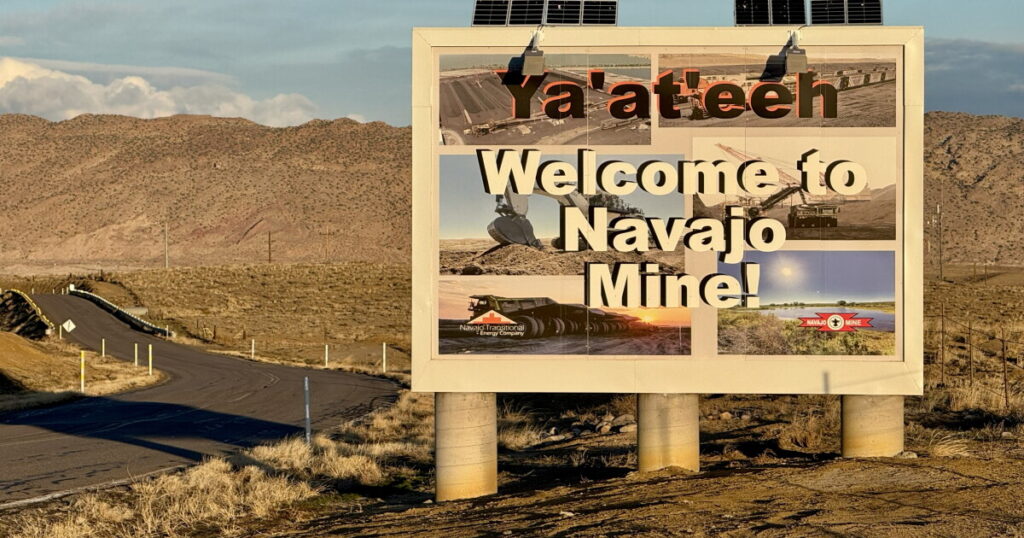
In a historic turn of events, the Navajo Nation’s upcoming election is set to feature candidates who do not champion the coal industry, a stark contrast to its coal-reliant past. The tribe, comprising nearly half a million members globally, has long depended on coal as a vital economic resource. However, this year’s contenders for the presidency mark a departure from the fossil fuel that has powered Navajo homes across Arizona, New Mexico, and Utah.
Current Navajo Nation President Buu Nygren, who had previously aligned with former President Donald Trump’s coal revival strategy, finds himself at odds with the emerging political landscape. Nygren’s support for maintaining the Navajo Mine and its associated coal-fired power plant until 2038 reflects a commitment to preserving jobs and revenue. “Those are hundreds and hundreds of jobs,” Nygren emphasized during his state address. “Those are millions and millions of dollars of revenue that the Navajo Nation receives.”
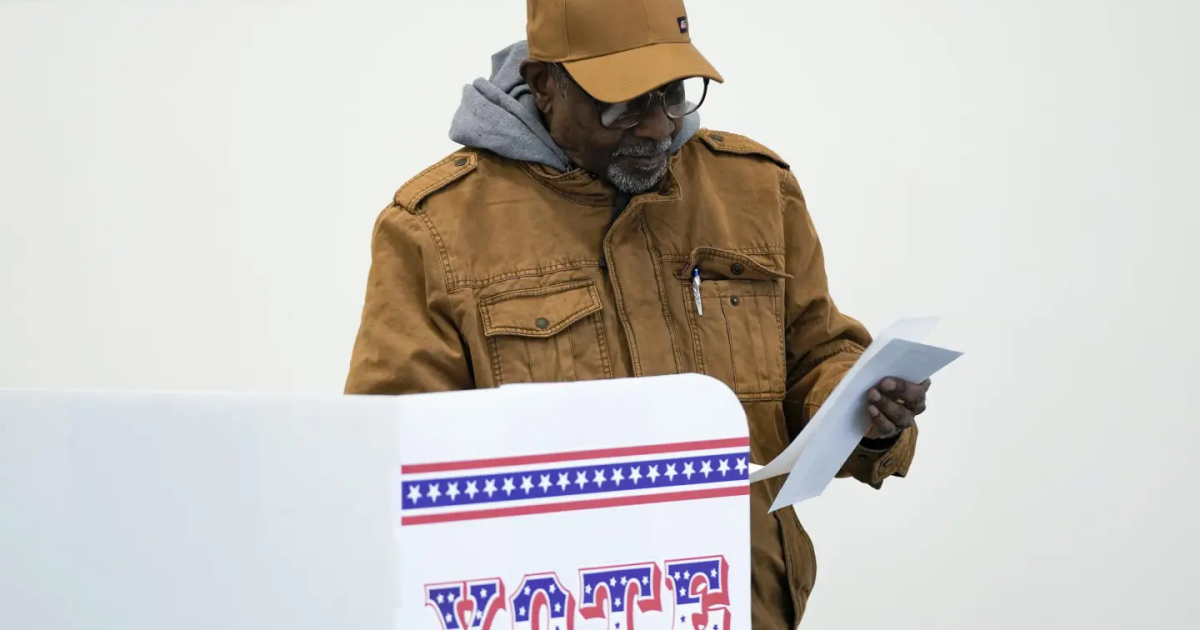
Despite his efforts, Nygren’s coal-friendly stance did not resonate with voters. His slogan, “Nygren digs coal,” failed to secure him a spot in the upcoming general election. Both candidates who advanced beyond the primary have publicly distanced themselves from coal. During an October debate at Arizona State University, attorney Justin Jones declared, “I’m opposed to coal mining,” while his opponent, Navajo Nation Council Speaker Crystalyne Curley, stated, “Coal is dying. It’s not coming back.”
Nygren’s engagement with Trump, including a selfie during the signing of an executive order to promote the coal industry, may have contributed to his diminished electoral prospects. Andrew Curley, a University of Arizona assistant professor, commented on the voter sentiment: “Based on my conversations with voters, people were upset.”
While the Navajo Transitional Energy Company (NTEC) continues to operate coal mines across several states, critics like Andrew Curley suggest that the presidential candidates’ promises may not align with these ongoing operations. “For me, kind of a rule of thumb: the bigger the promise, the more it’ll be broken,” Curley remarked.
Longtime resident Dailan Long, whose home is situated near the coal mine, expressed relief at Nygren’s absence from the ballot. Reflecting on the impact of coal mining on his community, Long hopes for a more sustainable energy policy: “We need an energy policy that works for us.”
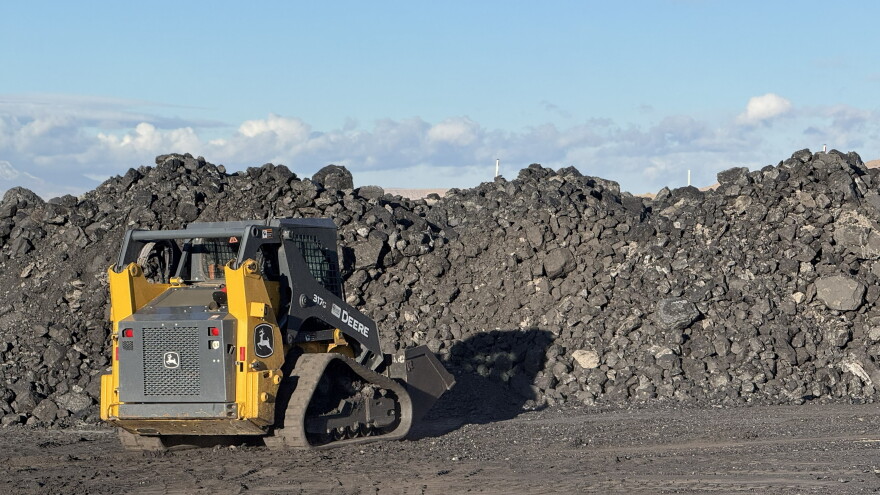
As the Navajo Nation prepares for a pivotal election, the conversations around coal and its future signal a broader shift towards sustainable development within the tribe. The decisions made by the incoming leadership could redefine the Navajo Nation’s energy policies in the years to come.
—
Read More Arizona News