Arizona Voters Weigh in on Key Ballot Measures Amid Political Shift
In a surprising turn of events, Arizona voters have given the nod to most ballot measures introduced by Republican legislators, while simultaneously shifting legislative control to the Democrats. The range of propositions addressed various issues, including education, taxation, and civil rights, reflecting the state’s complex political landscape.
Eight diverse propositions were up for consideration, touching on topics such as transgender students’ access to school facilities, the use of photo radar for traffic enforcement, and local sales tax policies. However, some measures that were entangled in broader political debates regarding education funding and voting processes did not gain voter approval.
One measure that received significant support was Proposition 318. This law mandates that schools must restrict students from using private facilities designated for the opposite biological sex, as recorded on their birth certificate. This extends a 2022 law barring transgender students from participating in sports teams that align with their gender identity. As of Thursday afternoon, nearly 59% of voters supported this measure.
Voters also expressed strong opinions on traffic enforcement, particularly photo radar. Proposition 319 stipulates that cities and towns currently lacking such systems are prohibited from introducing them. Existing programs would require voter approval for renewal. This measure does not impact license plate-reading systems like Flock, though discussions about implementing safeguards continue.
Among the fiscal policies, Proposition 316, backed by over 61% of voters, calls for stricter regulations on food sales taxes. Communities without such taxes cannot introduce them until June 30, 2027, and any new taxes after that date must be approved by local voters. Furthermore, existing taxes cannot be increased beyond 2% without a vote.
Transportation-related taxation was also addressed with Proposition 141, which narrowly leads in approval. This measure prohibits taxes or fees based on miles driven, as well as tracking miles without consent. While aimed at privacy protection, it raises questions about ensuring electric vehicle owners contribute fairly to road maintenance, given they do not pay the gasoline tax.
Proposition 317, another approved measure, designates drug cartels as terrorist organizations, requiring aggressive actions from the state Department of Homeland Security to counter these threats.
Rejected Propositions
Several propositions, prominently supported by Republican lawmakers, were not successful. Proposition 320 aimed to mandate that at least 60% of school funding in the largest counties be directed toward direct instructional expenses. Critics argued this could financially strain districts, particularly with rising operational costs, while proponents saw it as a way to prioritize student-impacting expenses. Arizona’s low per-student spending was a significant factor in this debate.
Efforts to alter voting requirements also fell short. Proposition 144, which would have required voter identification for all ballots, did not outline a clear implementation plan and was ultimately rejected. Opponents viewed it as a potential threat to early voting, widely used by Arizonans.
Lastly, Proposition 142, which sought to expand constitutional prohibitions against diversity, equity, and inclusion initiatives in state universities, did not gain voter approval, reflecting ongoing discussions about such programs’ roles in public education.
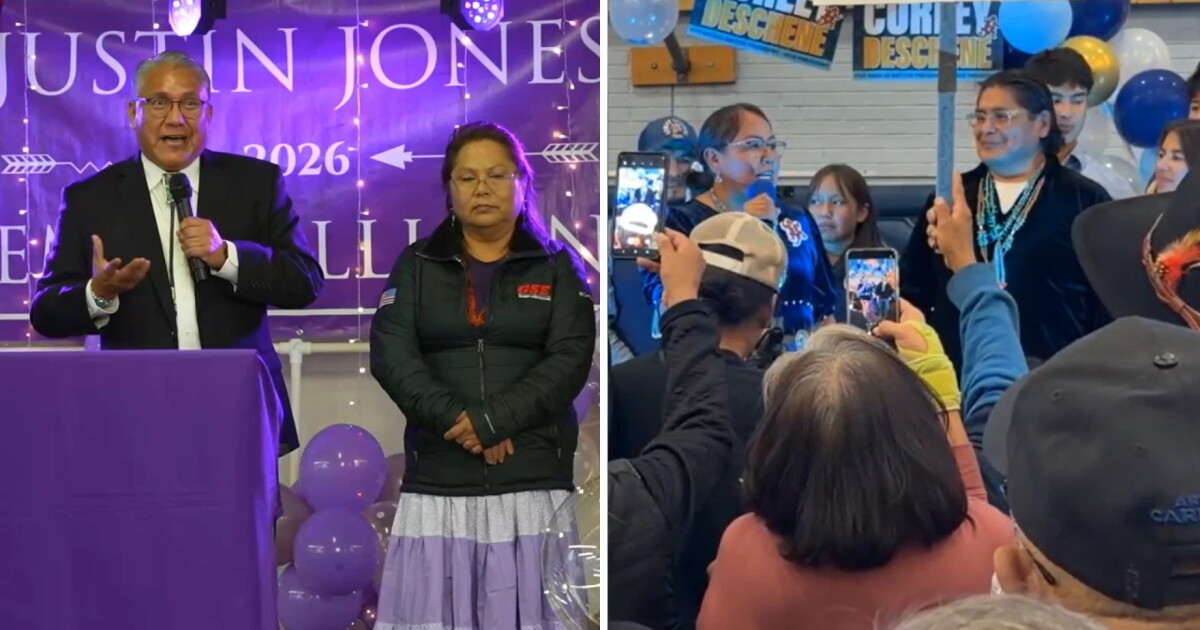
Navajo Nation Council Speaker Crystalyne Curley won by a margin of 1,115 votes. But her opponent, New Mexico attorney Justin Jones, isn’t giving up.
—
Read More Arizona News