The Future of Healthcare: Medicare for All Sparks Debate
Amid a growing healthcare crisis marked by rising costs and inadequate coverage, the concept of “Medicare for All” has emerged as a significant point of contention. While many see it as a necessary reform, critics argue it could pose substantial risks to the existing system.
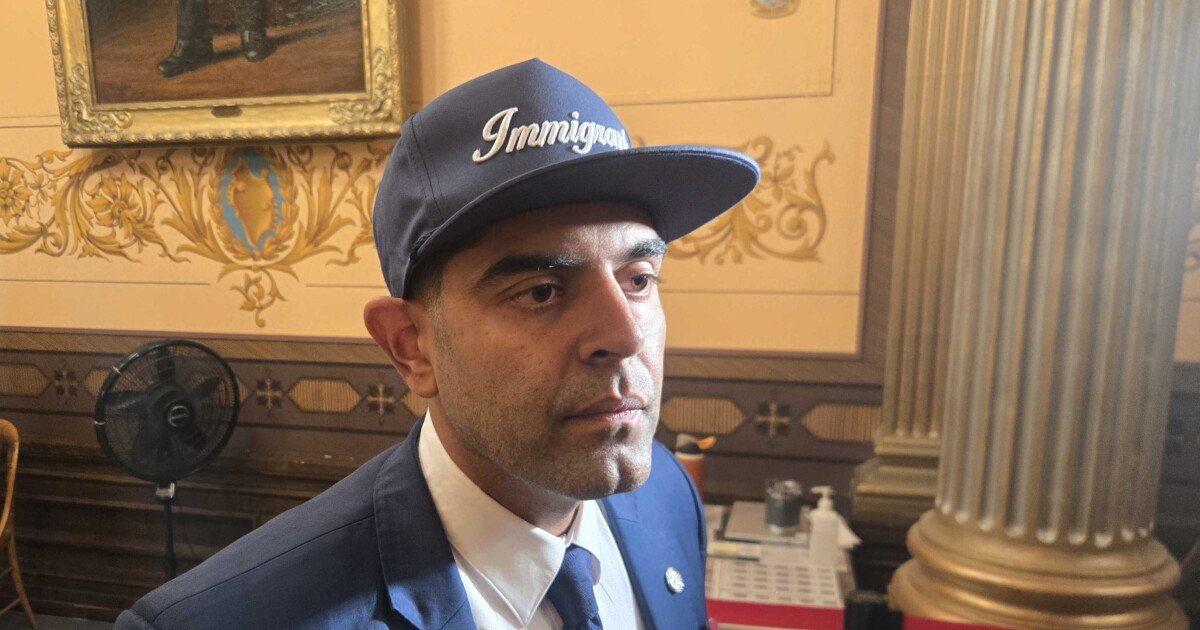
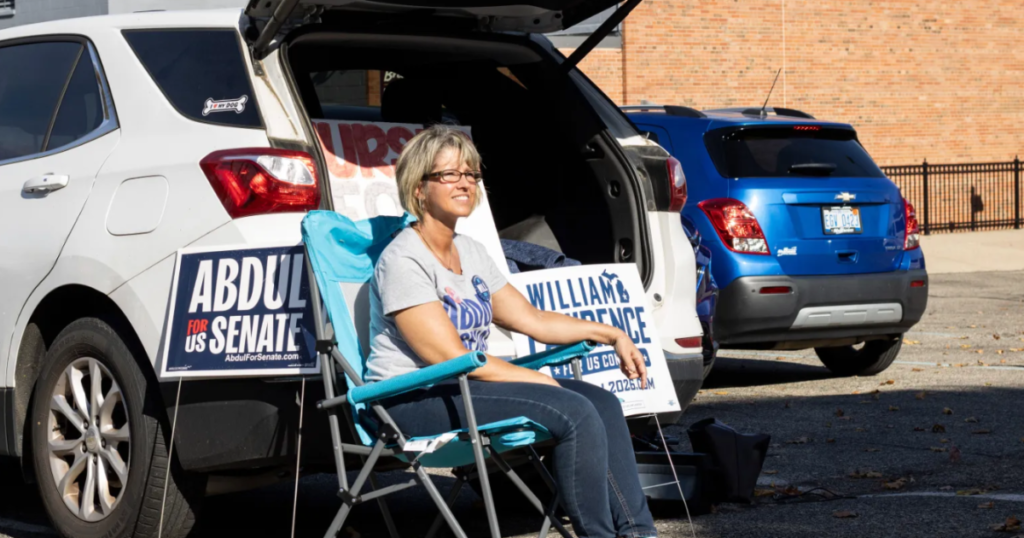
Kim Bogan, an emergency room nurse with 15 years of experience, has witnessed firsthand the struggles patients face in affording prescriptions and accessing timely care. Her concerns have driven her to support Abdul El-Sayed, a prominent advocate for Medicare for All, who recently became a senator-elect after campaigning vigorously on this issue.
Despite successful campaigns by progressive candidates in states like Texas, Iowa, Maine, and Michigan, Medicare for All remains a contentious proposal. “Nobody expected that,” Bogan remarked, highlighting the challenges of gaining widespread acceptance for the policy.
Medicare for All proposes replacing most private insurance with a government-run program, which has drawn criticism even as some Americans support the idea. Critics note that during the 2026 midterms, the most vocal supporters of the policy often won by smaller margins than moderate Democrats.
Jonathan Oberlander, a healthcare reform expert at the University of North Carolina-Chapel Hill, pointed out, “Whatever else people voted for in this midterm election — anger about inflation, anger about corruption, anger about the Iran war — they by and large didn’t vote to have the government take over health insurance.”
Supporters of universal healthcare, however, view this as a pivotal moment due to the escalating healthcare costs. States like Oregon are exploring single-payer systems, indicating a shift towards more comprehensive healthcare solutions.
Oberlander states, “The affordability crisis dominated this election, and Medicare for All speaks to that,” suggesting the policy may gain momentum as the 2028 Democratic primaries approach. However, moderate Democrats are wary of the political risks, especially in red-leaning states where the idea could threaten recent electoral gains.
Michael Cannon, a healthcare economist at the Cato Institute, argues that previous Medicare for All proposals would face opposition due to their requirement for millions to relinquish existing coverage. He warns, “If Medicare for All actually had the price levels that Bernie Sanders and Abdul El-Sayed envision, the industry would tear it to shreds.”
Despite increasing public support for Medicare for All, surveys indicate that enthusiasm wanes when potential drawbacks like higher taxes or treatment delays are considered. Jaime Bardenhagen, a former nurse facing steep insurance costs, echoes this sentiment. Though initially skeptical of government-supported healthcare, she now supports Medicare for All following personal experiences with the current system’s shortcomings.
Her experience mirrors that of many Americans dealing with rising premiums and limited coverage options. As Bardenhagen’s household faced soaring costs following the expiration of Affordable Care Act subsidies, she expressed frustration with the lack of trust in both political parties yet affirmed her backing for Medicare for All.
Cannon warns that increasing federal control over healthcare could lead to unsustainable spending and leave patients vulnerable. He believes the industry would ultimately dominate the system, as has been the case since Medicare’s inception.
Sara Collins from the Commonwealth Fund suggests that the election results compel both parties to address the healthcare affordability crisis, potentially leading to bipartisan efforts to reinstate ACA subsidies or curb the use of prior authorizations by insurance companies.
With ACA premiums expected to increase significantly and Medicaid cuts looming, the pressure for reform will likely intensify. Democrats may consider a public option or a modified version of Medicare for All that allows private insurance to coexist with government-backed coverage, as El-Sayed has proposed.
Oberlander emphasizes urgency, stating, “If the window opens, you better jump right through,” urging Democrats to seize opportunities for healthcare reform.
—
Read More Michigan News