

Meteorologists are grappling with explaining the “Super El Niño” of 2026, as the warming Pacific Ocean impacts weather patterns. The rise in tides and temperatures along the California coast is clear, but inland forecasts remain uncertain. Montana State Climatologist Kelsey Jencso highlights the unpredictability, noting a tendency for warmer winters but uncertain precipitation levels.
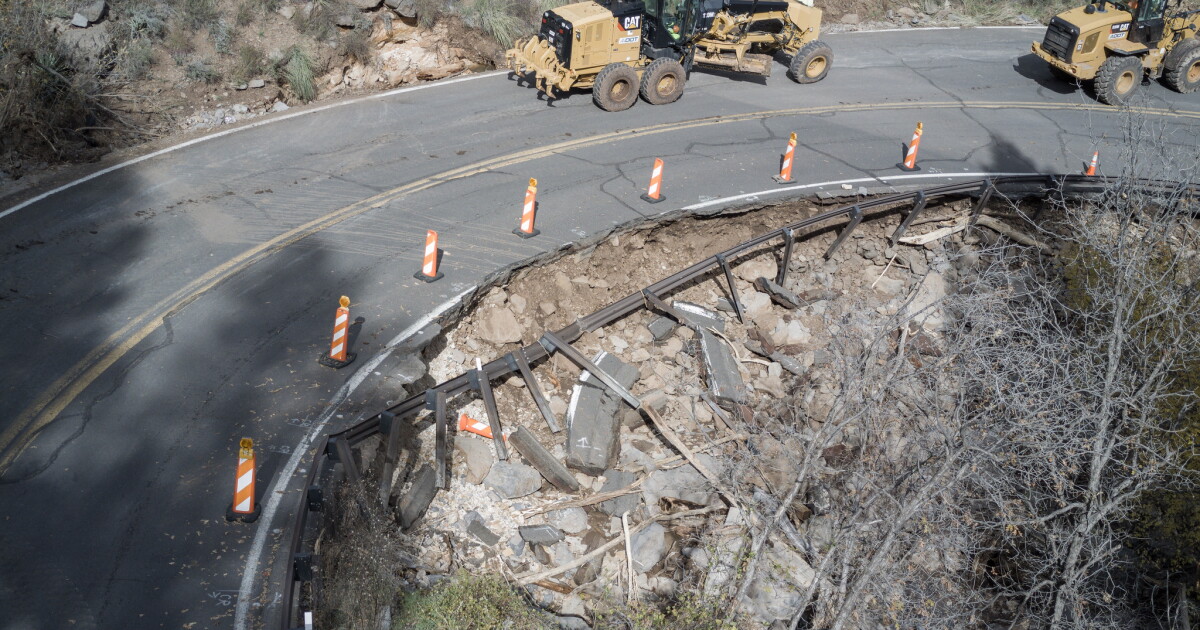
El Niño, originating from warmer ocean waters near South America, disrupts global weather patterns. Offshore ocean temperatures are nearly 17°F above average, causing significant changes like a foot rise in California sea levels. This has already resulted in substantial coastal erosion and flooding.
A contrasting phase, La Niña, usually brings cooler, wetter weather to the Northern Rockies. The cycle between El Niño and La Niña spans two to seven years, with a Super El Niño marked by Pacific temperatures at least 4°F warmer than average. The current cycle is set to exceed this, reaching 8°F above the norm, making it the strongest in decades.
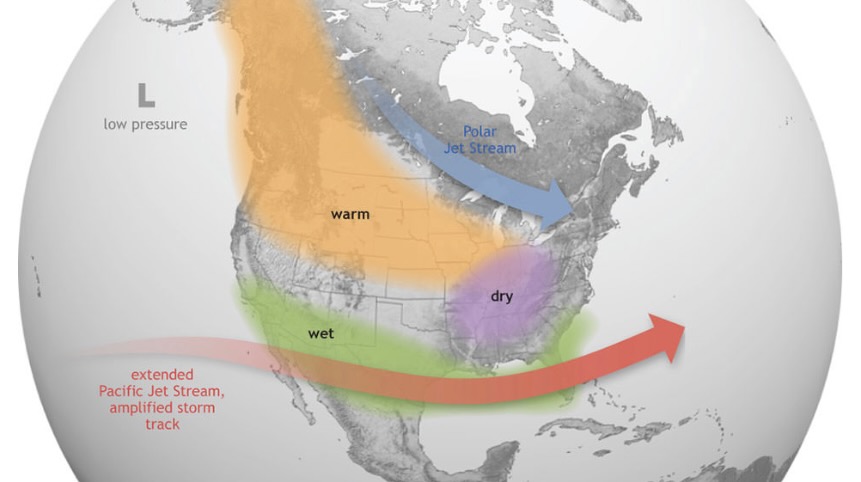
Predicting inland effects of such strong El Niño patterns is challenging. The U.S. Geological Survey notes the variability in precipitation forecasts, while NOAA indicates significant model differences. This year, the Pacific jet stream is expected to shift southward, drying out northern U.S. states but possibly destabilizing the polar jet stream and causing abrupt cold snaps.
While some ski areas like Big Sky Resort expect typical snowfall, others remain cautious. Separate research from Montana State University found surprising patterns in snowmelt, where increased snowmelt didn’t always boost river flows, complicating water management predictions.
MSU’s ongoing research, funded by the U.S. Department of Energy, aims to enhance forecasting with AI, exploring how precipitation forms and impacts land differently. As this winter approaches, NOAA forecasters recommend caution about extending current El Niño patterns into the next spring and summer, given the weak and inconsistent impact beyond winter.
The post Lost in transmission: What Super El Niño means for GYE appeared first on Montana Free Press.
—
Read More Montana News