Article Summary –
Dennis Kellogg, a soybean farmer, has experienced financial strain due to increased diesel prices, a result of President Trump’s conflict in Iran and Iran blocking the Strait of Hormuz, leading to higher costs in farming and logistics. Governor Whitmer and President Trump issued executive orders allowing temporary use of untaxed dyed diesel fuel to alleviate these costs, though farmers like Kellogg and Zacharda find the relief insufficient amid broader economic challenges like tariffs and trade wars. Farmers face mounting financial pressure, with 315 farm bankruptcies in 2025, raising concerns about the consolidation of the agricultural market and the survival of small farms.
Soybean farmer Dennis Kellogg from Ithaca has dedicated decades to his family farm. He shared with the Michigan Independent challenges farmers face, especially with weather affecting crop growth. President Trump’s Iran conflict has increased diesel prices, which powers farm machinery like tractors, adding financial strain to the industry.
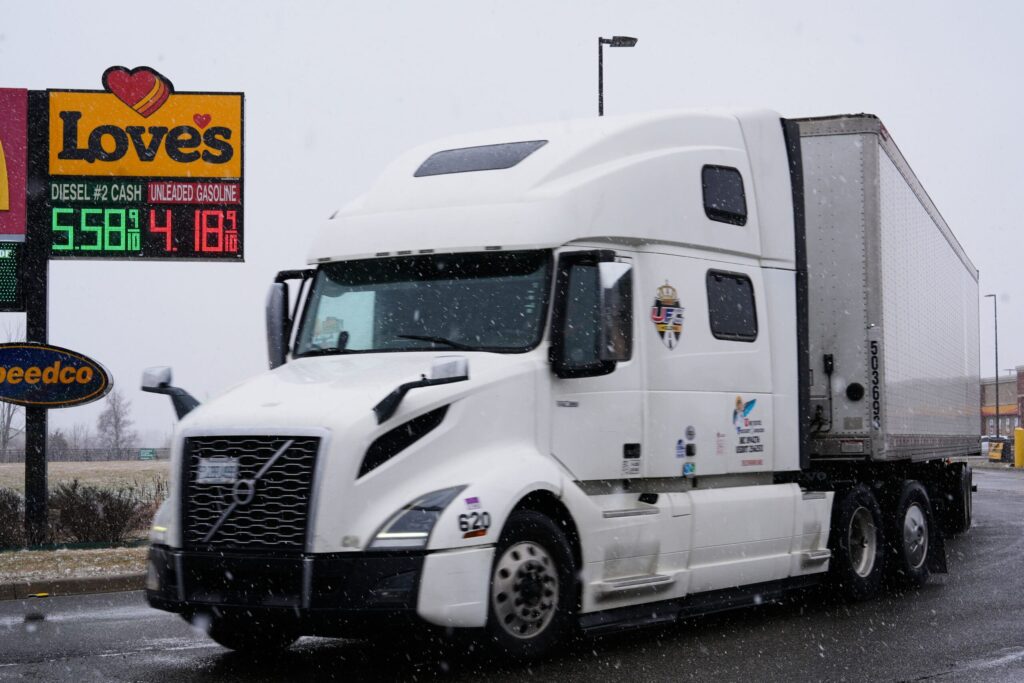
“When the government meddles in markets, starting wars that increase costs, it complicates matters for us,” Kellogg stated. Diesel prices surged after Iran blocked the Strait of Hormuz due to U.S. and Israel military actions. The national diesel average hit a high of $6.53 per gallon in September, now slightly below $6, yet notably higher than last year’s $3.08.
Kellogg uses over 3,000 gallons of diesel yearly for his 220-acre farm, with increased costs affecting logistics, shipping, and agricultural goods transport. “The fuel’s high cost limits funds for other projects,” Kellogg said. He previously spent $43,000 on roofing and planned more repairs, but fuel expenses hindered this.
Governor Gretchen Whitmer declared an energy emergency in an executive directive, temporarily allowing dyed diesel use on public roads for farming vehicles, providing some relief. This follows President Trump’s similar executive order a week prior.
Using dyed diesel on highways usually incurs penalties ($1,000 or $10 per gallon under federal law), put on hold until Dec. 31. However, as diesel is seasonal, farmers like Kellogg and Mark Zacharda, who farm soybeans and other crops, find the relief limited.
“If they detect dyed diesel later, what then?” Kellogg questioned. The Michigan Independent sought clarification from the governor’s office but received no response before publishing.
Zacharda, farming 1,300 acres, compared the diesel relief to receiving a Band-Aid after losing a leg. He noted other federal policies, like tariffs, create further financial difficulties, impacting loan repayments. Tariffs have depressed commodity prices, increasing costs for everything from soybeans to farm equipment.
The Michigan Department of Agriculture and Rural Development report highlights volatile tariff impacts during Trump’s tenure, noting a 12.3% export drop to Canada in 2025. Reciprocal tariffs have made imports pricier, affecting farm equipment costs. Zacharda’s Canadian-made pressure washer costs nearly doubled due to these added duties.
Concerns rise among small farmers about financial setbacks leading to market dominance by large food companies. According to an American Farm Bureau Federation report, farm bankruptcies increased by almost 50% in 2025, with over 160,000 U.S. farms closing between 2017 and 2024.
“I fear consolidation, where the big get bigger, and small farmers get squeezed out,” Kellogg lamented.
—
Read More Michigan News