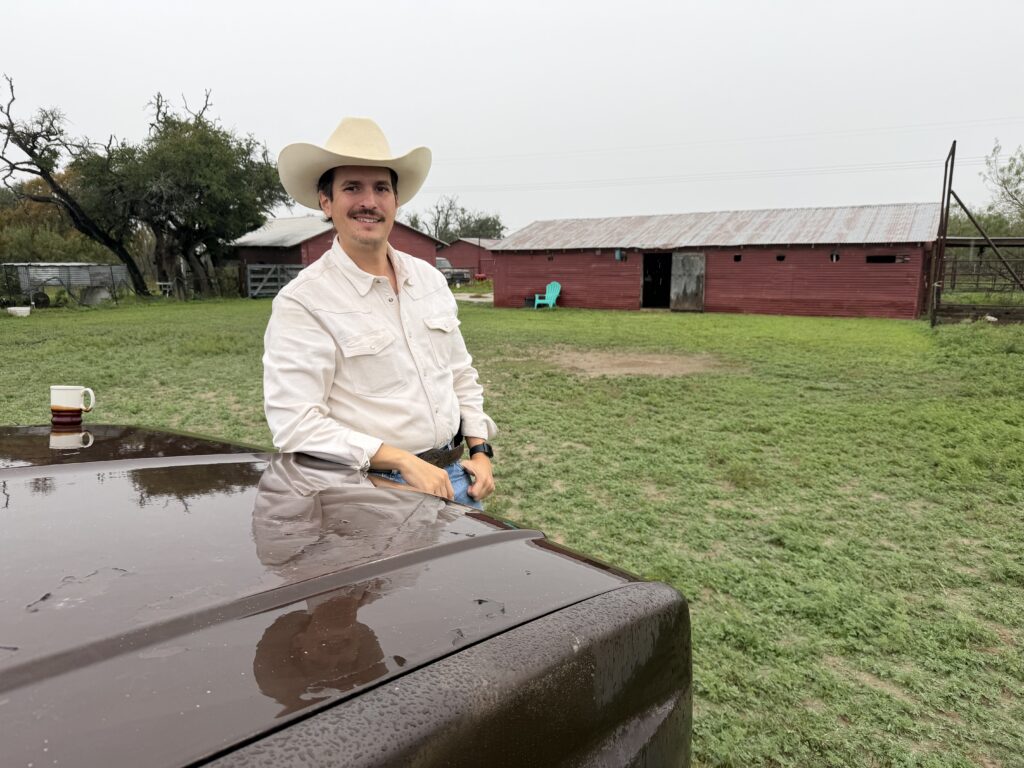
LAMPASAS, Texas — At the edge of his family’s 300-acre cattle ranch, Clayton Tucker is dressed in a white Stetson, beige shirt, and faded Wrangler jeans. At 35, Tucker is set to become the first Democrat in over 30 years to serve as Texas agriculture commissioner, overseeing policies impacting rural Texas. The last Democrat left the position in January 1991, a month before Tucker’s birth.
Tucker, assuming office in January, rode the Democratic wave that swept Texas and other states during the midterm elections. This shift was fueled by dissatisfaction with Republican policies both in urban and rural areas. Nationwide, rural voters have traditionally leaned Republican but either switched to Democrats or abstained to protest rising fuel costs and other issues.
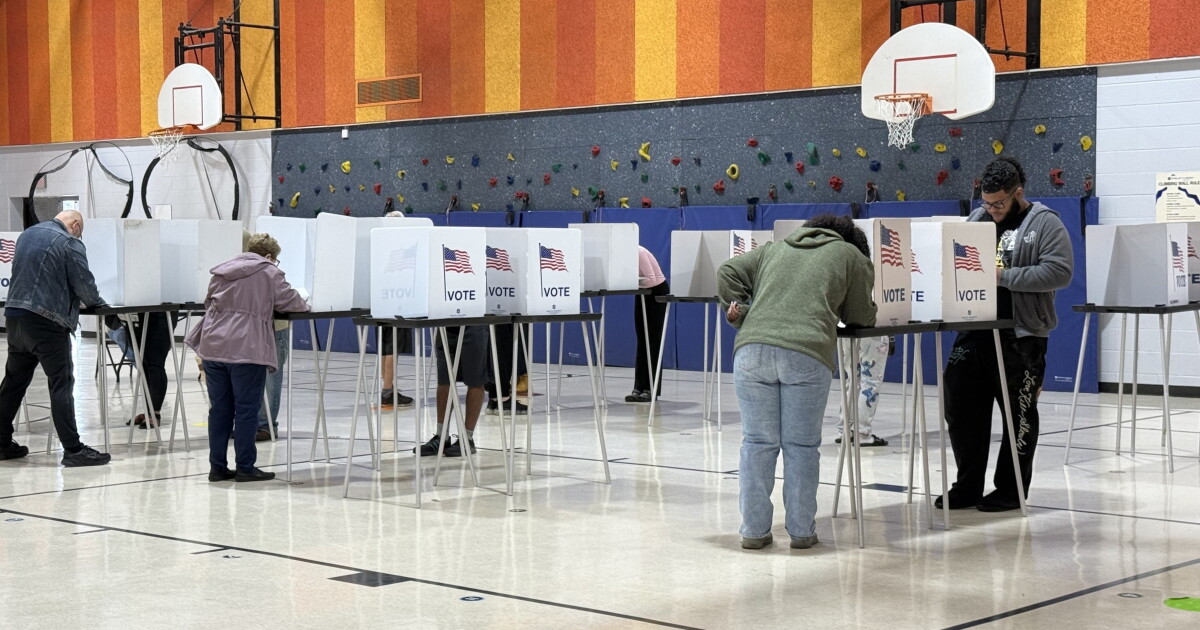
In Texas, 90% of counties with decreased voter turnout were rural, according to The Texas Tribune. While many rural voters stuck with the GOP, lower turnout paved the way for Democratic victories. Democrats improved their performance in all 254 Texas counties compared to the 2024 U.S. Senate race.
“People felt like they were being treated as sacrificial lambs for Wall Street, for Silicon Valley, for all these tech bros and oligarchs and everyone else,” Tucker said. Rural dissatisfaction also contributed to Democratic successes in other states. In Kansas, Methodist minister Adam Hamilton became the first Kansas Democrat elected to the U.S. Senate since 1932, fueled by backlash over high fuel prices. In Montana, former smokejumper Sam Forstag flipped a congressional seat, marking the first Democratic win there since 1994.
In Iowa, Democrats won the governor’s race, a U.S. Senate seat, and three of four congressional seats, despite Republicans maintaining control of the state legislature. Iowa Republican U.S. Rep. Ashley Hinson captured just over half of the rural vote in her failed Senate bid, according to The Associated Press.
Texas the epicenter
Texas was a focal point of the midterm upheaval. Voters rejected three-term Republican Gov. Greg Abbott, electing state Rep. Gina Hinojosa as the first Latina governor and the first Democrat to hold the office since 1995. Democrats also claimed all top statewide offices, including the Texas House, controlled by Republicans since 2003.
Republicans retained the Texas Senate majority but are considering rule changes to limit incoming Democratic presiding officer Vikki Goodwin’s power. In response to the Republican losses, Texas GOP Chair D’rinda Randall announced a Texas Mandate Committee to strategize a comeback.
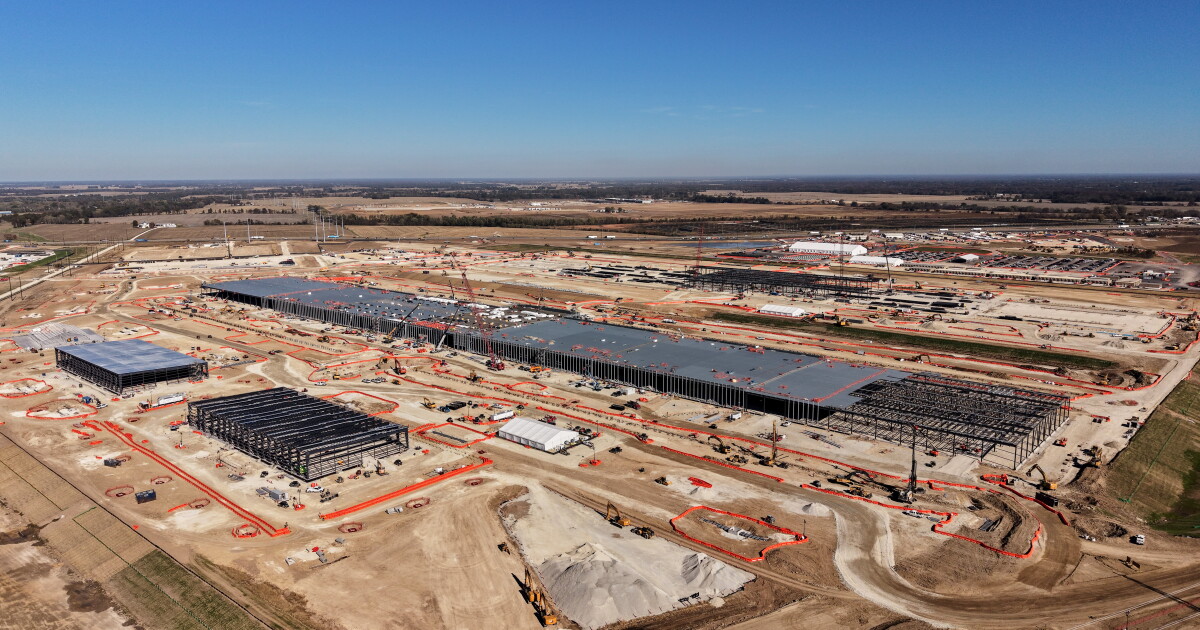
Kendall Scudder, Texas Democratic Party chair, credited the Democratic success to a focused campaign emphasizing rural Texas. “I think we started making inroads,” he said, highlighting rural concerns like data centers and inadequate school funding. Rural counties that previously voted Republican went blue this time.
Outgoing Agriculture Commissioner Sid Miller, a Republican, agreed rural voters were frustrated over data centers and fuel prices. Tucker plans to push for a data center moratorium when he takes office. Miller attributed rural discord to Abbott’s policies, including a controversial school voucher program.
Snapper Carr, representing Texas cities, noted Republican downturns in traditionally strong areas due to economic concerns like diesel prices. “There was a large number of past Republicans that didn’t show up this time,” he said.
‘Totally surprised’
In the Central Texas community of Briggs, Ray Bizzell, 83, expressed surprise at the Democratic success after voting straight Republican. In Williamson County, a Democratic surge propelled Chris Jimenez to a legislative victory. In the U.S. Senate race, the county moved nearly 19 points toward Democrats compared to 2024.
Jimenez, living on a pecan farm, attributed his win to resonating messages over partisan politics. He has pre-filed bills to repeal the voucher program and expand Medicaid. Republican analyst Derek Ryan stated Republicans needed a larger rural margin to counter urban Democratic turnout, but rural counties showed a diminished margin of just 32 points compared to previous elections.
Ryan estimated 625,000 Republicans skipped the election, as reported by the Texas Rural Report. “We knew there was going to be a slight shift towards the Democrats in rural Texas,” Ryan said, citing economic factors like gas prices as crucial influences.
Suzanne Bellsnyder, a small-town newspaper owner, observed Republican slippage in historically strong areas. “Republicans have always depended on the rural counties to be their firewall,” she noted, but found they were absent this time.
—
Read More Montana News