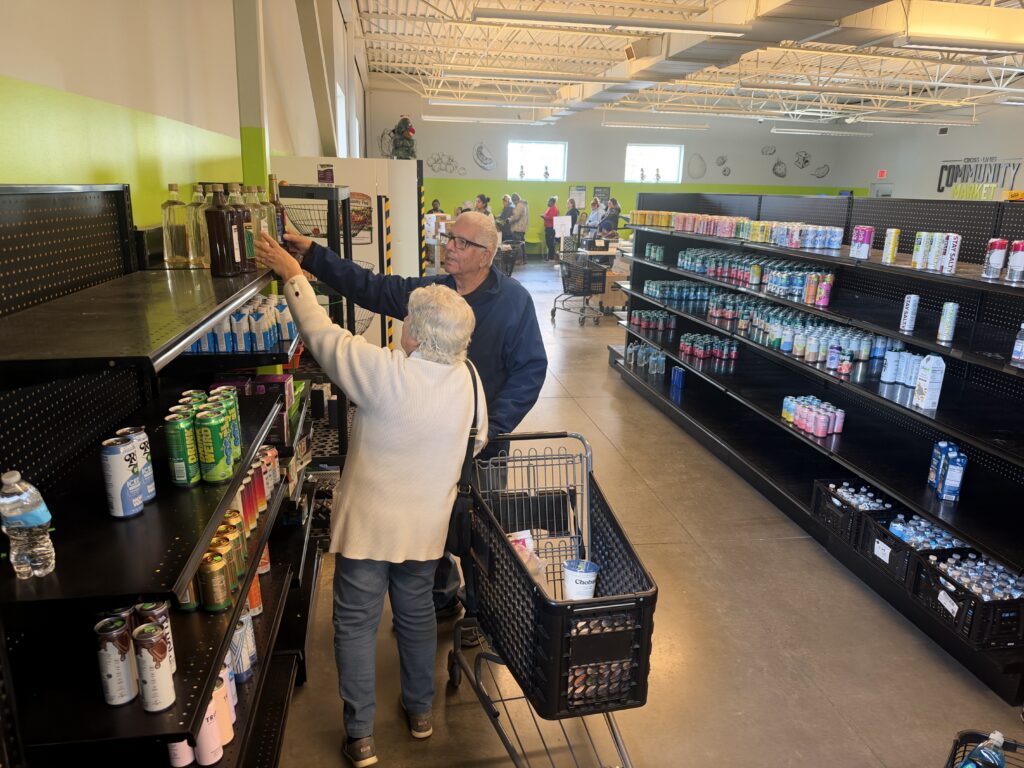
KANSAS CITY, Kan. — Cross-Lines Community Outreach sees increasing lines at its nonprofit food pantry as families struggle with rising costs. Two days before Thanksgiving, Andreas Leal, a 75-year-old retiree, browsed the pantry’s offerings, noting how his Social Security benefits can’t match rising expenses. Despite a 2.8% increase in federal benefits, Leal faces a 30% hike in property taxes, forcing him to make difficult choices.
Cross-Lines leaders notice a surge in demand, with their Community Market serving 1,900 families monthly, a 35% rise from the previous year. “Daily, we have to turn people away,” said Executive Director Susila Jones. Previously able to provide ground beef monthly, the pantry now seeks affordable alternatives like turkey or chicken. Serving Wyandotte County, which has high poverty rates, Cross-Lines has relaxed income requirements to aid more people.
Rising costs in groceries, housing, and gas push more individuals to seek emergency food aid, especially as 5.5 million Americans have lost SNAP benefits due to recent legislation. The One Big Beautiful Bill Act altered SNAP eligibility, impacting federal safety nets. More are expected to lose aid, with potential changes from the Trump administration further threatening eligibility for 6.3 million people.
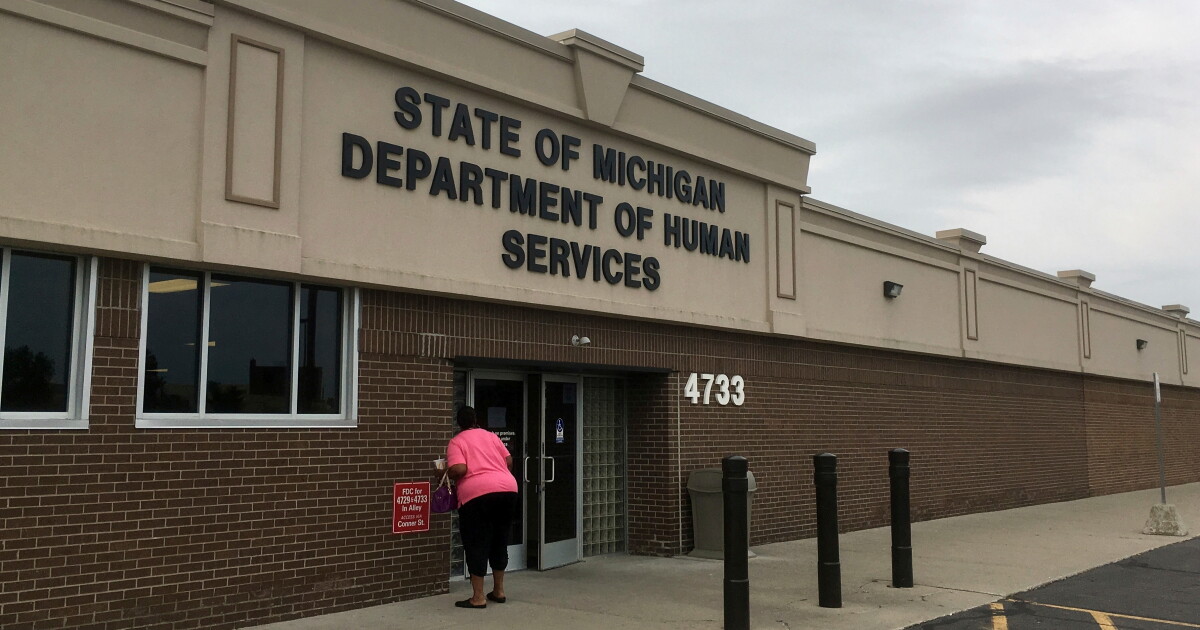
“Unfortunately, it has become a big part of people’s lives because they keep cutting off SNAP benefits,” said Gina Plata-Nino of the Food Research and Action Center. Volunteers at food banks are overwhelmed. In Detroit, the Capuchin Soup Kitchen faced a mile-long car line, quickly exhausting 500 meal kits. “There is a huge demand,” said Brother Fred Cabras, director of social services.
The organization, providing 1,000 hot meals daily, predicts serving 34,000-35,000 families this year, up from 15,000 in 2022. Rising food prices mean the Capuchin Soup Kitchen spent $20,000 more last month than in September. In Louisville, United Crescent Hill Ministries faces quadrupled demand at its food pantry. Despite federal cuts, the nonprofit increasingly relies on community donations.
Food banks increase spending
St. Mary’s Food Bank in Phoenix, Arizona, is tapping into reserves to address rising diesel and food costs. “We bought more food than we ever have before,” said Jerry Brown, director of public relations. Arizona’s sharp SNAP benefit decline has increased food bank visits. Some Texas food banks are rationing food due to overwhelming demand and federal cuts.
Last year’s federal cuts have forced food banks to purchase more supplies independently. “That’s a real concern because it’s not really sustainable,” said Celia Cole, CEO of Feeding Texas. She hopes Congress will address last year’s SNAP cuts, recognizing hunger’s growing threat.
—
Read More Montana News