Mysterious Figurines Unearthed in the Grand Canyon’s Ancient Caves
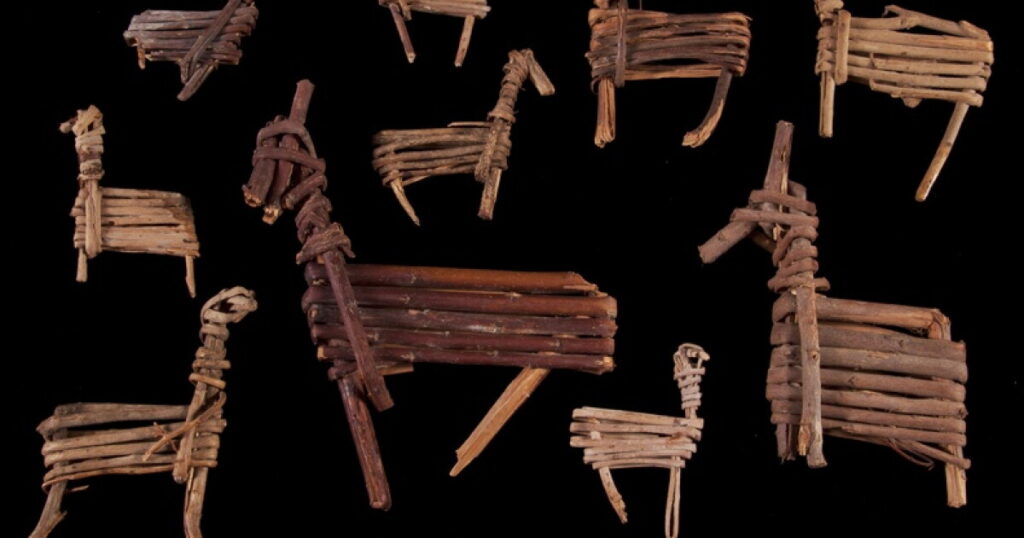
Hidden within the towering redwall limestone cliffs of the Grand Canyon, a network of dark caves conceals some of North America’s most enigmatic archaeological finds. Thousands of years ago, these secluded spaces became the canvas for hunter-gatherers who crafted intricate animal figurines from the split branches of willow trees.
Recent archaeological digs have uncovered these “split-twig figurines,” carefully shaped into representations of bighorn sheep and other quadrupeds. The figures, often adorned with tiny wooden spears and occasionally wrapped in woven grass skirts or filled with animal dung, were secreted beneath stone cairns situated near ancient faunal remains. Evidence such as soot-stained cave ceilings and discarded twig fragments indicates that these creations were fashioned deep within the caverns, lit only by the flicker of torchlight.
The purpose behind these delicate figures remains a subject of scholarly intrigue. Were they merely children’s playthings, ceremonial objects, or did they hold a deeper, sacred significance?
Radiocarbon dating has shown that the crafting of these figurines spanned a period from approximately 2900 BCE to 1700 BCE. Notably, the absence of hearths, pottery, or refuse suggests these caves were never used as domestic dwellings. Rather, archaeologists speculate that these chambers served as sanctified sites where clans might have placed effigies next to fossilized bones from the ice age as a gesture of reverence or to seek prosperity.
This tradition of crafting and placing the figurines endured for over 1,200 years, a practice passed down through countless generations. Yet, as the artisans ceased their visits to these caves, the reasons for this ritual faded into the silent expanse of the canyon.
—
Read More Arizona News