In a bid to address the pressing issue of dwindling water reserves, a new water management proposal has emerged for the Colorado River. This plan, put forth by Arizona, California, and Nevada, aims to significantly reduce their water consumption from key reservoirs until 2028, offering a temporary solution as states work towards a more sustainable long-term agreement.
Announced on Friday evening, the proposal suggests that these states will collectively leave between 700,000 to 1 million acre-feet of water in the Colorado River system. This measure is intended to safeguard water levels at the two largest reservoirs in the U.S., Lake Powell and Lake Mead, from falling further.
An acre-foot, the standard measurement in this context, is enough water to cover an acre of land one foot deep, typically sufficient for one to two households annually.
These newly suggested water conservation efforts are supplementary to previous reduction plans. State representatives have described the proposal as a “bridge,” aiming to achieve over 3.2 million acre-feet of water savings by 2028 while ongoing discussions seek a permanent resolution.
Tom Buschatzke, Arizona’s foremost water negotiator, emphasized the collaborative nature of this initiative in a written statement from the Arizona Department of Water Resources, stating, “This proposal reflects the creativity and commitment of water users across the Lower Basin who continue to step forward with solutions that support the river.”
It remains uncertain which specific locales will implement reductions, but these voluntary cutbacks allow states to manage their water use autonomously. This flexibility contrasts with prior federal mandates proposing severe cuts to the Central Arizona Project, which supplies crucial areas like Phoenix and Tucson, and which faced strong opposition for being “devastating.”
The current proposal seeks to avoid the harshest of those federal cutbacks while still maintaining the integrity of Powell and Mead’s water supplies. The Central Arizona Project leaders have expressed their support, describing the plan as a “welcome lifeline and cause for hope.”
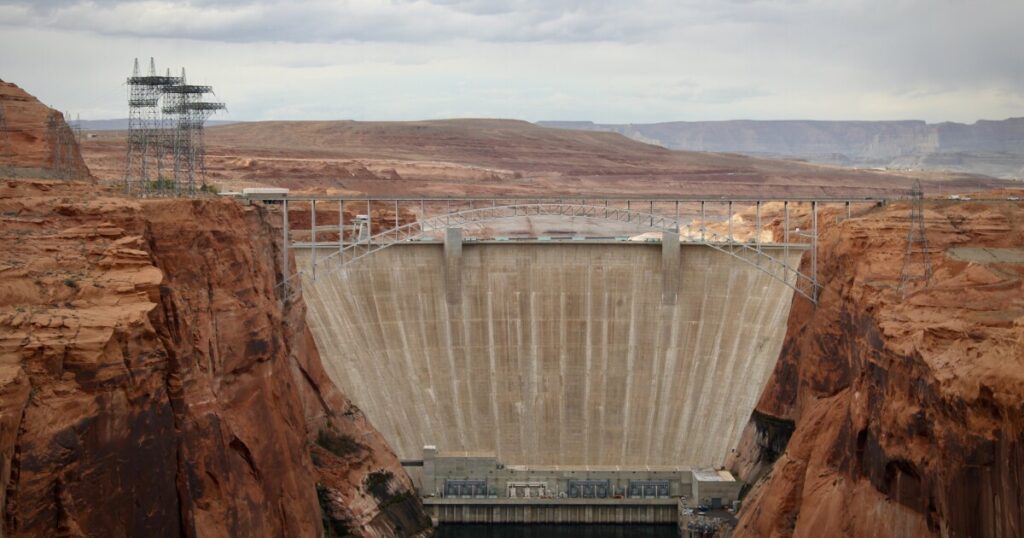
As the region grapples with the aftermath of an exceptionally dry winter, the urgency for a revised water management strategy has become more pronounced. Previous forecasts indicated that Lake Powell’s water levels could fall to critically low points by summer, jeopardizing the Glen Canyon Dam’s hydropower generation and the reservoir’s capacity to supply the Colorado River.
Before implementation, this proposal will require federal approval and is designed to avert potential legal conflicts. Historically, Arizona, California, and Nevada have faced disputes with upstream states like Colorado, Utah, Wyoming, and New Mexico. The proposed cutbacks aim to stabilize reservoir levels and circumvent anticipated lawsuits.
The Lower Basin states have framed their proposal as a stopgap measure to facilitate a fresh round of negotiations targeting a comprehensive long-term agreement. These upcoming talks might take a new direction as Upper Basin states have requested mediation to aid in bridging the divide among policymakers.
The leaders from Arizona, California, and Nevada have acknowledged this call for mediation, expressing openness to the process in their joint press release.
This story was produced by KJZZ, the public radio station in Phoenix, and published by KNAU as part of the Arizona Public Media Exchange.
In a new paper, researchers argue the Grand Canyon was formed when an ancient lake on what is now the Navajo Nation spilled over and cut the iconic gorge over millions of years.
—
Read More Arizona News