Arizona Lawmakers Debate the Future of the Mexican Gray Wolf
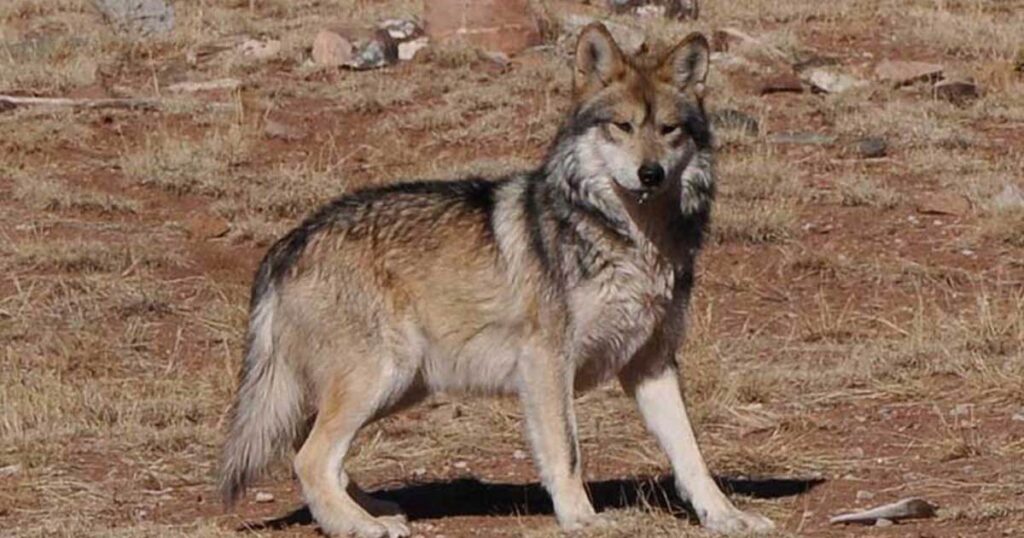
In a legislative move that has sparked considerable debate, Arizona lawmakers are weighing the implications of a fairy tale as they deliberate on the preservation of the Mexican gray wolf. Rep. Lupe Diaz, a Republican from Benson, invoked “Little Red Riding Hood” to emphasize the predator nature of these animals, arguing against state cooperation in federal efforts to bolster their numbers.
Diaz stated, “Little Red Riding Hood understood that this is a predator that we’re dealing with,” reinforcing his stance that Arizona should enact laws like SB 1280 to limit state involvement in the restoration of the wolf population.
This bill, already passed by the Senate, aims to restrict the Arizona Game and Fish Department from importing wolf pups and utilizing state resources for such purposes. Despite the support from some legislators, opposition remains, particularly among Democrats who highlight the wolf’s endangered status since 1976. Tucson’s Democratic Rep. Nancy Gutierrez emphasized the need for genetic diversity to remove the species from federal protection.
However, supporters like Diaz argue the current wolf population in Arizona is sufficient. They cite measures taken by communities in northeast Arizona and northwest Mexico, such as building “cages” to protect against potential wolf attacks—a claim met with skepticism by Rep. Mae Peshlakai, who said she has never encountered aggressive wolves.
Sierra Club’s Sandy Bahr stated that while wolves might attack cattle, there are no recorded attacks on humans. The Arizona Livestock Board provides compensation for cattle losses due to wolves and offers grants for non-lethal prevention methods.
Rep. Gail Griffin expressed concern over the lack of prey in Southern Arizona, suggesting that cattle, children, and other animals could be at risk. Yet, SB 1280 does not outright prevent collaboration with federal agencies in restoring a sustainable wolf population. Agency lobbyist Ed Sanchez noted that population goals are progressing, with 124 wolves in Arizona and 162 in New Mexico, aiming for a total of 320.
Genetic diversity remains a challenge, as all wolves in the region share ancestry from only seven pairs, according to Rosalind Switzer of Great Old Broads for Wilderness. Introducing captive-raised pups to wild dens is seen as a crucial strategy to combat inbreeding.
Sanchez highlighted the importance of maintaining flexibility to address genetic and population goals, which would eventually allow the state to manage the wolves independently once federal delisting occurs.
Diaz, however, questions the necessity of reaching a 320 population target, arguing that the current population of 268 is adequate. He dismissed the idea of promoting tourism centered around the wolves, citing potential dangers.
The controversy is further fueled by a proposal from Arizona Republican Congressman Paul Gosar to delist the wolf and restrict federal releases from captive breeding programs. He argues that the initial target of 100 wolves has been met, and the species is no longer at risk of extinction.
Should Gosar’s proposal become law, Arizona would need to determine its approach to managing the Mexican gray wolf population independently, according to Sanchez.
Amidst this debate, conservation groups continue to highlight the economic and ecological benefits of public lands, with federal lands reportedly contributing $5 billion to Arizona’s economy.
—
Read More Arizona News