Arizona Moves Towards Regulating Automated License Plate Readers
In a significant legislative move, Arizona’s state senators have given a nod to SB 1111, a bill aimed at establishing initial regulations on the deployment of automated license plate readers (ALPRs) by law enforcement. Crafted by Sen. Kevin Payne, this legislative piece seeks to fill the void in state law regarding the use, data management, and access to information gathered by these devices.
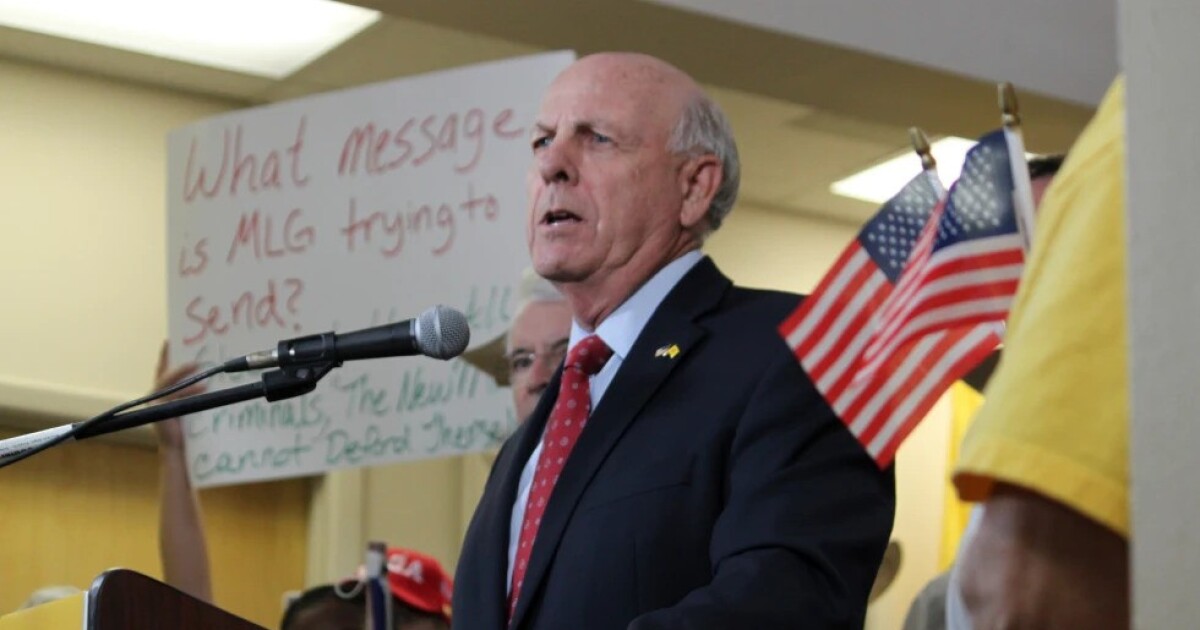
The bill introduces some boundaries on the operational scope of these cameras, dictating who may access the data and how long it can be retained. Despite these measures, Sen. Jake Hoffman criticized SB 1111, describing it as riddled with loopholes. He argued that it could potentially allow extensive government surveillance of Arizona residents, akin to driving a “Mack truck” through privacy safeguards.
Sen. Hoffman proposed a complete prohibition of ALPRs, but his amendment received no backing from fellow Republicans, with only Senate Democrats echoing his concerns. Consequently, the bill advanced with the support of 16 Senate Republicans, leaving its future uncertain.
Sen. David Farnsworth, while voting in favor of the preliminary approval, expressed reservations about the bill’s current form. He emphasized the procedural nature of his vote, aligning with GOP leadership, without committing to support the bill in future roll-call votes.
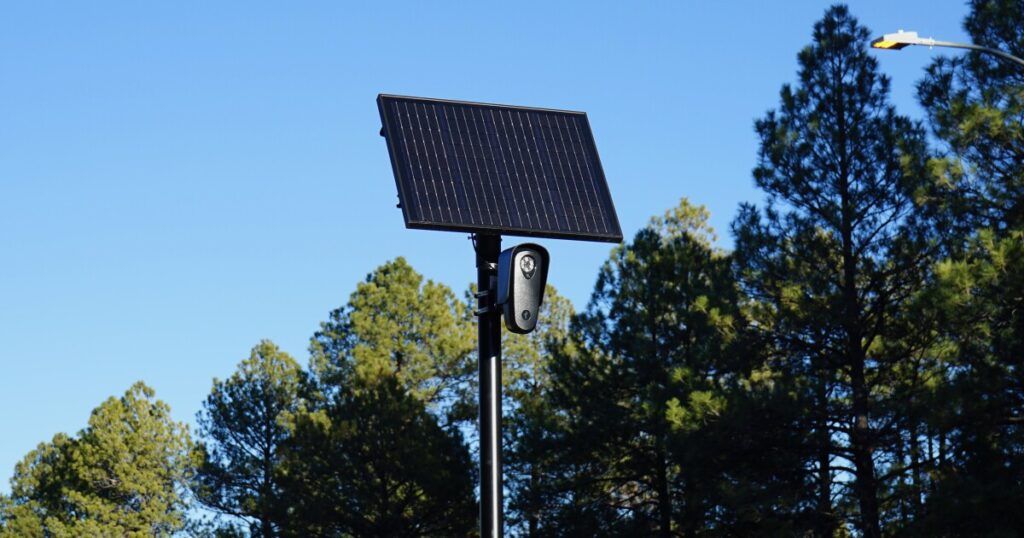
The absence of Farnsworth’s support could jeopardize the bill’s passage, as Payne cautioned that discarding SB 1111 would leave Arizonans without any protective measures. Currently, state and local police employ cameras from Flock Safety Systems, which operate continuously and store data for 30 days, tracking vehicle movements.
Hoffman contended that SB 1111 might be worse than having no bill, believing it opens the door to drafting a more robust proposal with stronger protections. Discussions around the bill underscore the need for some level of regulation on ALPRs, as no such laws presently exist in Arizona.
Initial versions of the bill, supported by law enforcement, suggested minimal controls, including data storage guidelines and penalties for unauthorized data use. Payne has since proposed amendments to enhance these controls, such as requiring legitimate law enforcement purposes and securing data with password protection.
Despite additional restrictions, including the necessity for a warrant or subpoena for accessing data older than 48 hours, some legislators remain uneasy. Hoffman highlighted exceptions, such as when a vehicle is reported stolen, that permit law enforcement to track license plates.
Senate President Warren Petersen defended the bill, stating it strikes a balance between information needs and preventing misuse. He emphasized the importance of using data for urgent situations, like locating a kidnapped child, while maintaining appropriate checks.
Democratic concerns focus on potential overreach, with Sen. Mitzi Epstein warning of a “secret police” scenario due to vague definitions of legitimate law enforcement use. This fear is not unfounded, given reports of Texas law enforcement using such cameras to track individuals for personal reasons.
Petersen argued that rejecting SB 1111 would eliminate any regulations, leading to unchecked mass surveillance. Hoffman remains steadfast in his opposition, advocating for alternative solutions that prioritize civil liberties.
As the debate continues, Hoffman is determined to introduce legislation that better guards constituents’ privacy rights, should SB 1111 fail in its current form.
—
Read More Arizona News