As the deadline for new water management rules approaches, Arizona’s key water negotiators are working tirelessly behind closed doors to prevent “extremely draconian” reductions to the state’s Colorado River allotment. With the federal government ready to unveil its new water management guidelines by late July, Arizona is racing against time to find a solution.
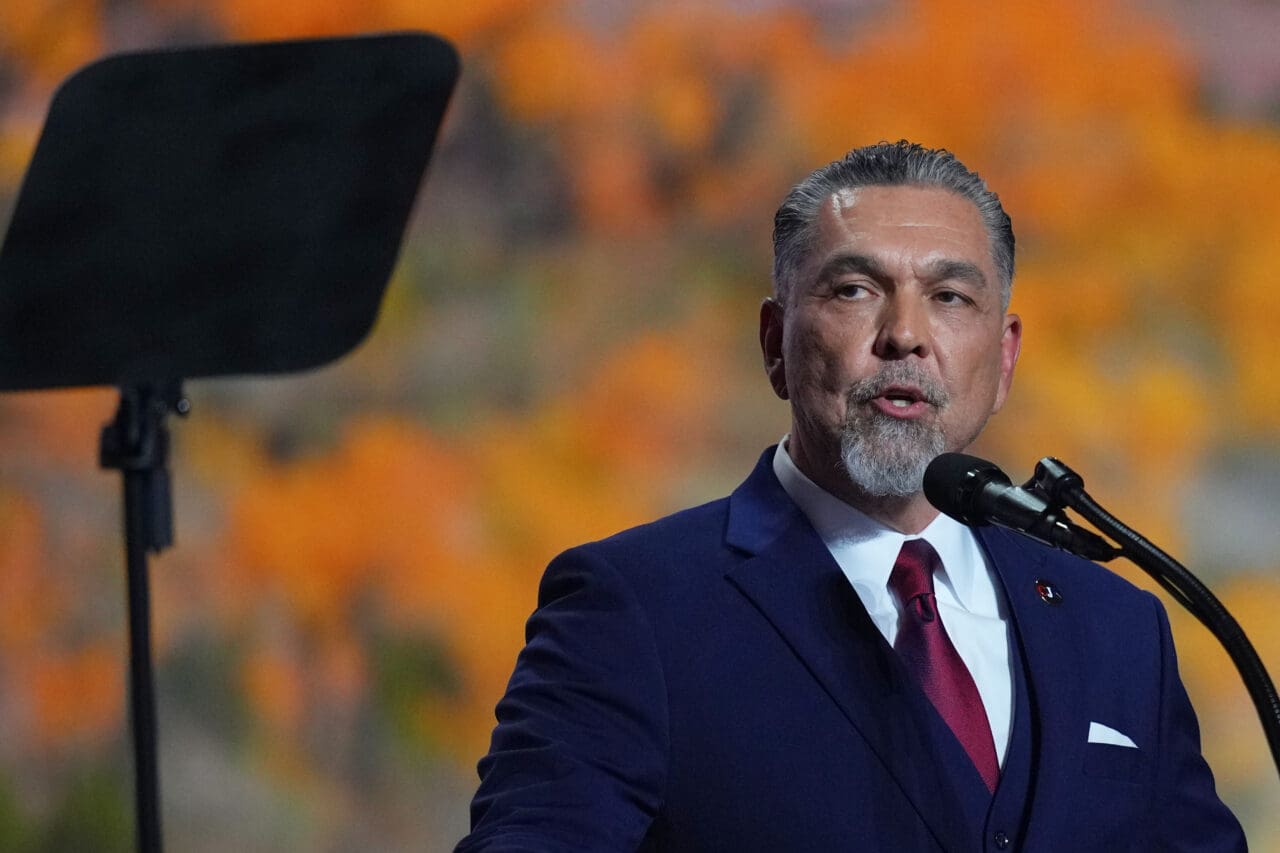
Tom Buschatzke, who heads the Arizona Department of Water Resources, recently updated the public on the status of negotiations and the state’s strategy for handling potential water cutbacks.
The seven states that rely on the Colorado River have struggled to reach a consensus on new water management rules for over a year. If they fail to agree, the federal government will enforce its own regulations when the current framework expires later this year.
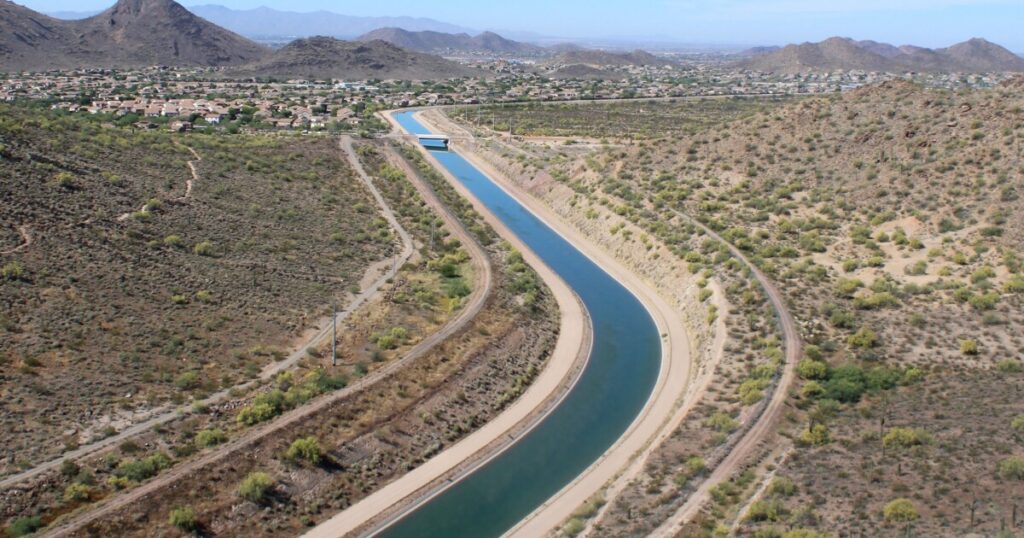
A preliminary version of these rules suggested significant reductions for the Central Arizona Project, affecting water delivery to Phoenix and Tucson. In response, the Lower Basin states — Arizona, California, and Nevada — proposed voluntary cutbacks to circumvent more severe mandatory cuts from the federal side.
Buschatzke is actively engaging with federal officials to gain approval for this proposal. “Based on the meeting I had this morning with the Lower Basin states and the federal team, I think we’re getting closer to that adoption,” he remarked during a meeting on Tuesday. However, he added, “But I can’t say at this time, unequivocally, that they’re going to adopt it in a form that’s acceptable to us.”
Efforts are also underway to address concerns from the upper basin states — Colorado, Utah, Wyoming, and New Mexico — about the Lower Basin’s proposal, according to Buschatzke.
Patrick Dent, Central Arizona Project’s assistant general manager for water policy, highlighted their proactive measures to mitigate the impact of potential cutbacks. The Lower Basin Proposal foresees a 20% reduction in water for municipal and industrial users in Arizona, but Dent believes CAP’s initiatives could reduce this to 14% for 2027 and 2028. One such initiative involves operating wells in the Yuma area to send water to Mexico, thereby freeing up additional water for Arizona cities.
Buschatzke remains optimistic, noting that most cities are well-prepared for these cutbacks. “Cities have been planning for the use of their water portfolios for many years,” he explained. “They’ve been aware of this potential outcome for many years, and I think each municipal water provider is going to have to determine how it deploys its resources in the face of these cuts.”
While the level of readiness varies among cities, numerous Phoenix area municipalities can rely on groundwater, the Salt River, or water-sharing agreements with nearby areas during times of scarcity. Looking forward, advancements in water recycling technology and desalinated ocean water may offer additional solutions.
—
Read More Arizona News

![Botched Ad Mix-Up: Super PAC Error in Arizona Congressional Race[embed]https://www.youtube.com/watch?v=bEMgIlCkHz0[/embed]](https://www.kitchentablenews.org/wp-content/uploads/2026/10/Botched-Ad-Mix-Up-Super-PAC-Error-in-Arizona-Congressional-RaceembedhttpswwwyoutubecomwatchvbEMgIlCkHz0embed.com2F0e2F962Fe971102f49e7a4f2a64fd3cc60a22Fjonatha.png "Botched Ad Mix-Up: Super PAC Error in Arizona Congressional Race[embed]https://www.youtube.com/watch?v=bEMgIlCkHz0[/embed]")