Conservation Efforts Face Challenges as Development Looms Over Sonora’s Turtle Nesting Grounds
In the early morning light, Elsa Coria, a wildlife veterinarian, combs the sands of Playa San Francisco in Sonora, Mexico. Her mission: to find sea turtle tracks that might lead her to a nest. However, her efforts are complicated by the tracks left behind by four-wheelers and trucks that frequent this picturesque beach.
“One of the biggest problems we have are the vehicles,” Coria stated, highlighting the threats posed to endangered olive ridley sea turtles that nest here. The serene beach, a quieter alternative to bustling San Carlos, still draws crowds eager to enjoy its natural beauty. This influx of visitors has prompted Coria and her volunteer team to relocate turtle nests to safer locations for incubation.
However, a new state initiative aims to increase tourism by developing infrastructure on the beach, including a $30 million walkway and a 300-car parking lot. This project has raised concerns among conservationists like Coria, who fears it could further disrupt the delicate nesting process of the turtles.
Sonoran Governor Alfonso Durazo’s administration has built similar walkways elsewhere to boost tourism and economic growth. “With more tourist infrastructure, Sonora transforms,” Durazo said in a recent social media video. Yet, Coria’s group, Centro de Rescate Rehabilitación e Investigación de Fauna Silvestre, feels excluded from the planning and worries about the project’s impact on the turtles.
Despite efforts to raise awareness and suggest turtle-friendly modifications, such as adjusted lighting to support turtle navigation, Coria remains in the dark about whether these suggestions will be implemented. “It makes me feel so sad, so helpless,” she confessed, standing near the construction site.
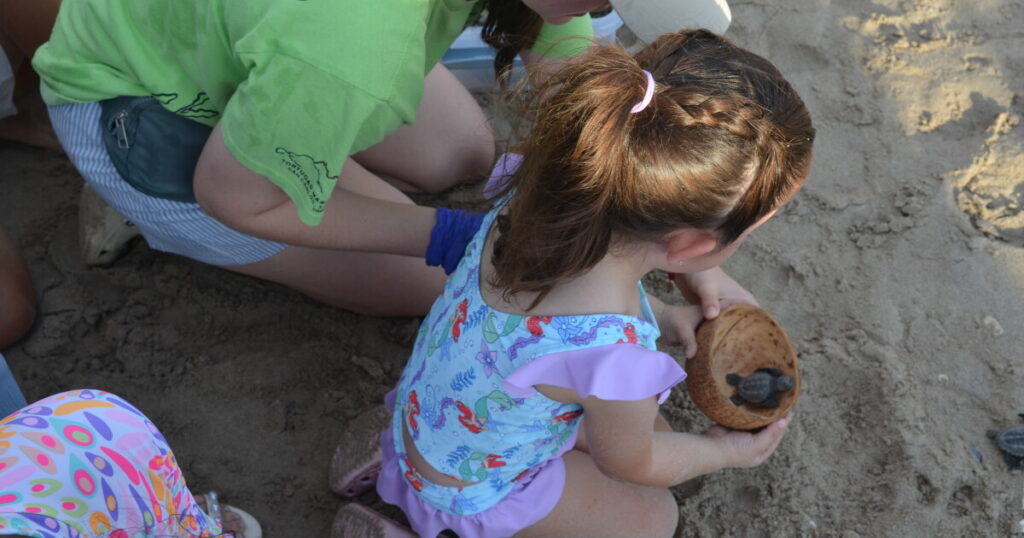
Amidst these developments, Coria continues her conservation work. In a controlled trailer, turtle eggs incubate safely before being released. On a recent day, 95 olive ridley hatchlings were prepared for their journey to the sea, part of an effort to increase their survival rate, which naturally is only one in a thousand.
As Coria addressed beachgoers gathered to witness the first turtle release of the season, she emphasized, “This beach is a treasure. It’s important that we care for it and protect it.” Her hope is that these hatchlings, if they survive the odds, will return to a safe nesting ground in the future.
—
Read More Arizona News