In Arizona, Proposition 320 is stirring a heated debate on education funding, with significant implications for teacher salaries and school budgets. The Goldwater Institute argues that this measure will boost teacher pay, while critics claim it could potentially harm broader educational support.
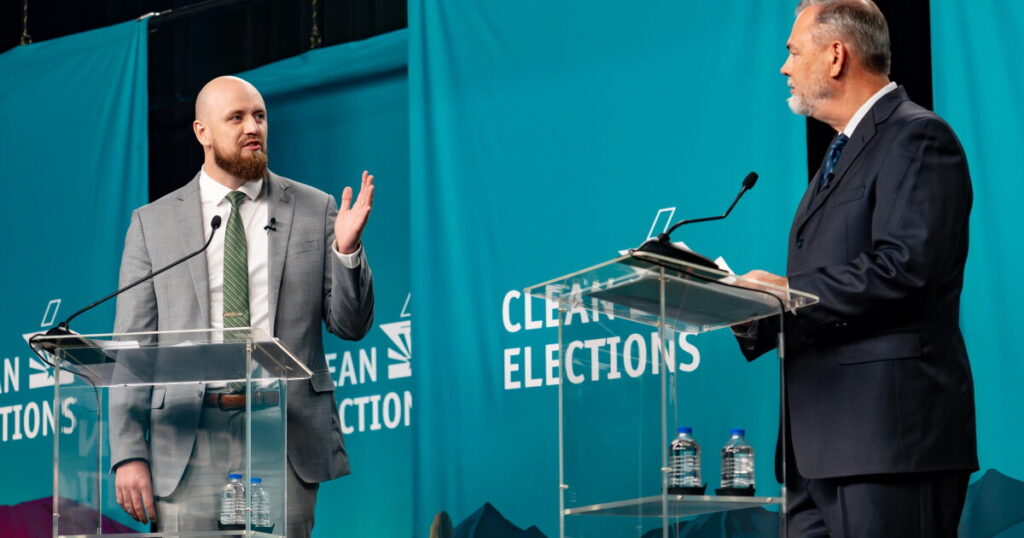
During a recent debate, Chris Thomas from the Goldwater Institute outlined that the proposition mandates that schools allocate at least 60% of their funding to “direct educational expenses,” covering costs such as salaries for teachers and aides, instructional materials, and extracurricular activities. Currently, Arizona schools devote an average of only 52.1% of their budget to these expenses, the lowest percentage reported in two decades by the Auditor General’s Office.
Thomas emphasized that failing to meet this new standard could result in reduced state aid for districts, compelling them to prioritize educational spending over other areas. However, Jimmy Arwood from Arizonans for Quality Education warns that this could neglect essential services like speech pathology, counseling, and transportation, which are vital for student success.
Arwood highlighted that “if that bus isn’t picking them up, those kids aren’t going to school,” stressing the importance of these support services. He pointed out that Arizona schools already operate with 25% less funding per student than the national average, with Arizona spending $11,987 per student compared to the national average of $17,873, according to the National Education Association.
The proposition would penalize districts not meeting the 60% threshold, but Thomas noted there are exceptions. Districts making gradual progress toward the goal, such as Glendale Union High School District and Tucson Unified School District, would have extended timelines to comply without facing penalties.
While Prop. 320 targets larger districts in Pima, Pinal, and Maricopa counties, smaller districts in these areas are also included, a decision Thomas speculated could be due to presumed cost-saving opportunities in urban regions.
Thomas argued that focusing on classroom instruction is crucial, stating, “The most important thing is to have a quality teacher in a classroom.” Arwood, however, emphasized the need to consider comprehensive educational support, including special education services and related professionals.
As the debate continues, Proposition 320’s role in reshaping Arizona’s educational landscape remains a contentious issue, with both sides advocating for what they believe is the best path forward for the state’s schools and students.
—
Read More Arizona News