Michigan’s Shift: A New Era of Straight-Ticket Voting in the 2026 Elections
For decades, Michigan’s electoral landscape has been marked by voters who frequently split their tickets, choosing candidates from different parties for different offices. However, the 2026 midterm elections have unveiled a transformative shift, with a significant increase in straight-ticket voting, a trend not seen in the last 80 years.
Historically, Michigan voters demonstrated diverse preferences, electing politicians like Democrat Jennifer Granholm as governor while selecting Republican Mike Cox as attorney general in 2002, and in 2014, choosing Republican Rick Snyder for governor alongside Democrat Gary Peters for the U.S. Senate. Yet, this year’s elections broke from tradition.
Indicators of the Straight-Ticket Surge
The Detroit News state politics reporter Craig Mauger has analyzed this emerging trend. In an interview with Stateside, Mauger detailed his observations, highlighting two critical indicators: a substantial rise in straight-ticket ballots and the uniformity in Democratic candidates’ performance across statewide races.
Mauger’s analysis revealed that the number of straight-ticket ballots exceeded the overall voter turnout increase from 2022 to 2026. In 69 counties for which data was available, there was an 18% surge in straight-ticket voting, with Democratic selections rising by 20% and Republican by 15%. This indicates a broader trend across the political spectrum, not confined to one party.
Uniform Candidate Performance
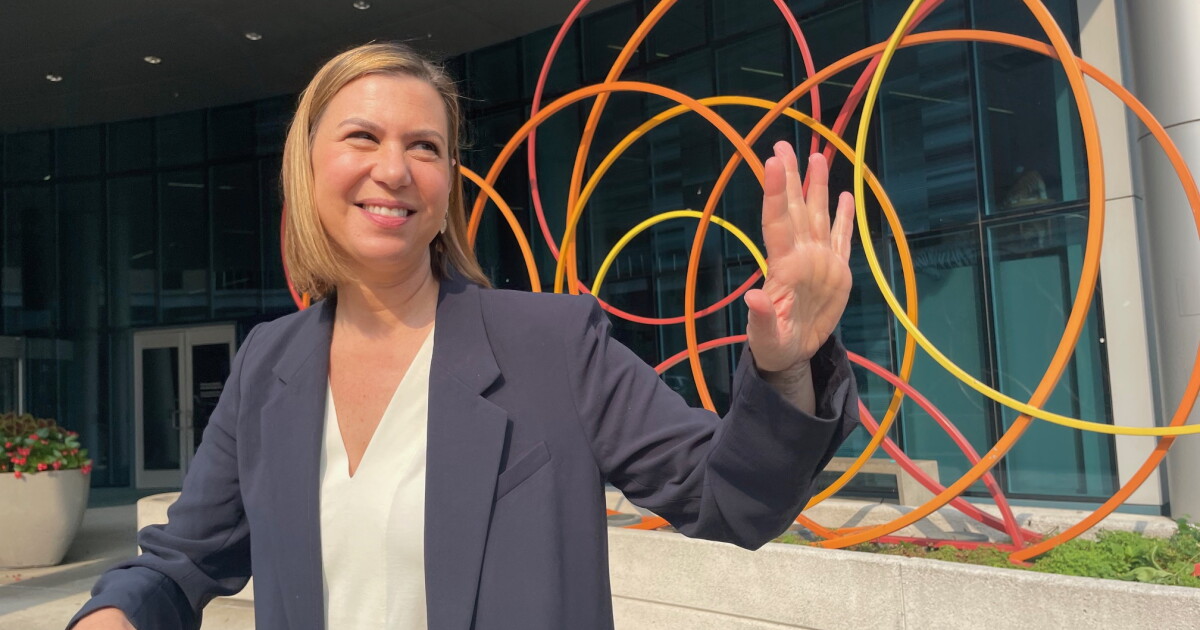
Another significant indicator is the minimal spread in support for Democratic candidates across various offices. The margin between the best-performing and worst-performing Democratic candidates, Governor-Elect Jocelyn Benson and Attorney General-Elect Eli Savit, was a mere 2.04%. According to Mauger, “That is the smallest spread that we were able to find since Michigan approved its current constitution in 1963.”
This consistency contrasts with past elections where intra-party performance could vary widely, sometimes by as much as 20 points. The latest elections suggest that voters are increasingly aligned with party platforms rather than individual candidate appeal.
Factors Influencing the Shift
Several factors might explain this shift towards straight-ticket voting. Mauger suggests that increased voter turnout naturally boosts straight-ticket voting. Additionally, changes in media consumption, with a move from traditional objective news sources to more opinionated cable news, may influence voter behavior.
Moreover, national politics seem to be playing a larger role in local elections. Voters may be using their opinions about national figures, such as President Trump, to guide their choices for state and local candidates, potentially reshaping Michigan’s political landscape.
Implications for the Future
The trend raises important questions for Michigan’s political parties. Republicans, in particular, face challenges, as they haven’t seen a candidate win more than 50% of the statewide vote since 2014. Mauger emphasizes, “They have to sit there and realize that they have not had a statewide candidate in Michigan.”
This trend isn’t necessarily advantageous for Democrats either. An electorate increasingly voting along party lines could shift in favor of either party, depending on the political climate and voter turnout.
Michigan remains a swing state, but the evolving preference for straight-ticket voting suggests a move away from crossing party lines. The focus of future campaigns may pivot from persuading voters to split their tickets to mobilizing party loyalists to the polls.
—
Read More Michigan News