Tohono O’odham Nation Faces Legal Setback in Border Wall Dispute
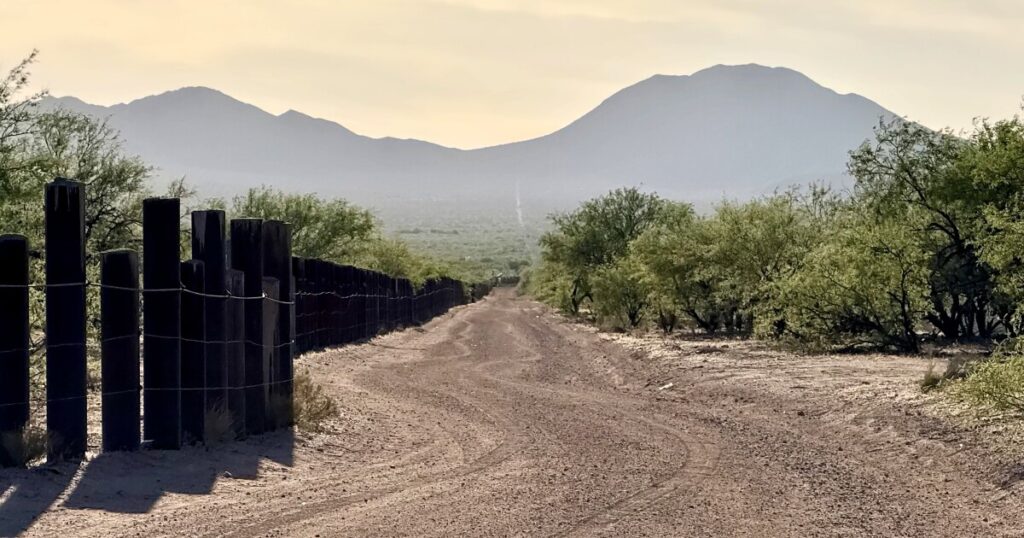
The Tohono O’odham Nation is currently evaluating its legal strategies following a federal judge’s decision that denied their attempt to halt border wall construction on their land. This decision affects a 62-mile stretch along the Arizona-Mexico border that is part of the tribe’s 2.8 million-acre territory.
Although the federal government had not previously attempted to build a wall in this area, it is now encompassed in the Trump administration’s Smart Wall initiative. This extensive project involves the development of roads, surveillance systems, and in some sections, two parallel steel bollard walls.
In their lawsuit, the tribe contended that the construction disregards their sovereign boundaries, which should only be modified through congressional action. However, U.S. District Judge Richard Leon dismissed the tribe’s request for a preliminary injunction. He highlighted that the construction plans pertain to the Roosevelt Reservation, a 60-foot area along the border that is under federal control.
Robert Miller, a tribal judge and law professor at Arizona State University, as well as a member of the Eastern Shawnee Tribe, remarked on the challenge of obtaining preliminary injunctions. According to him, the judge determined that the tribe failed to fulfill any of the four necessary criteria for such an injunction. “The court thinks they’re not liable to win, they think it’s not in the public interest to stop the federal government from building this wall … of course they reference the drugs that have crossed the Arizona border, and the illegal immigrants crossing the Arizona border,” he explained.
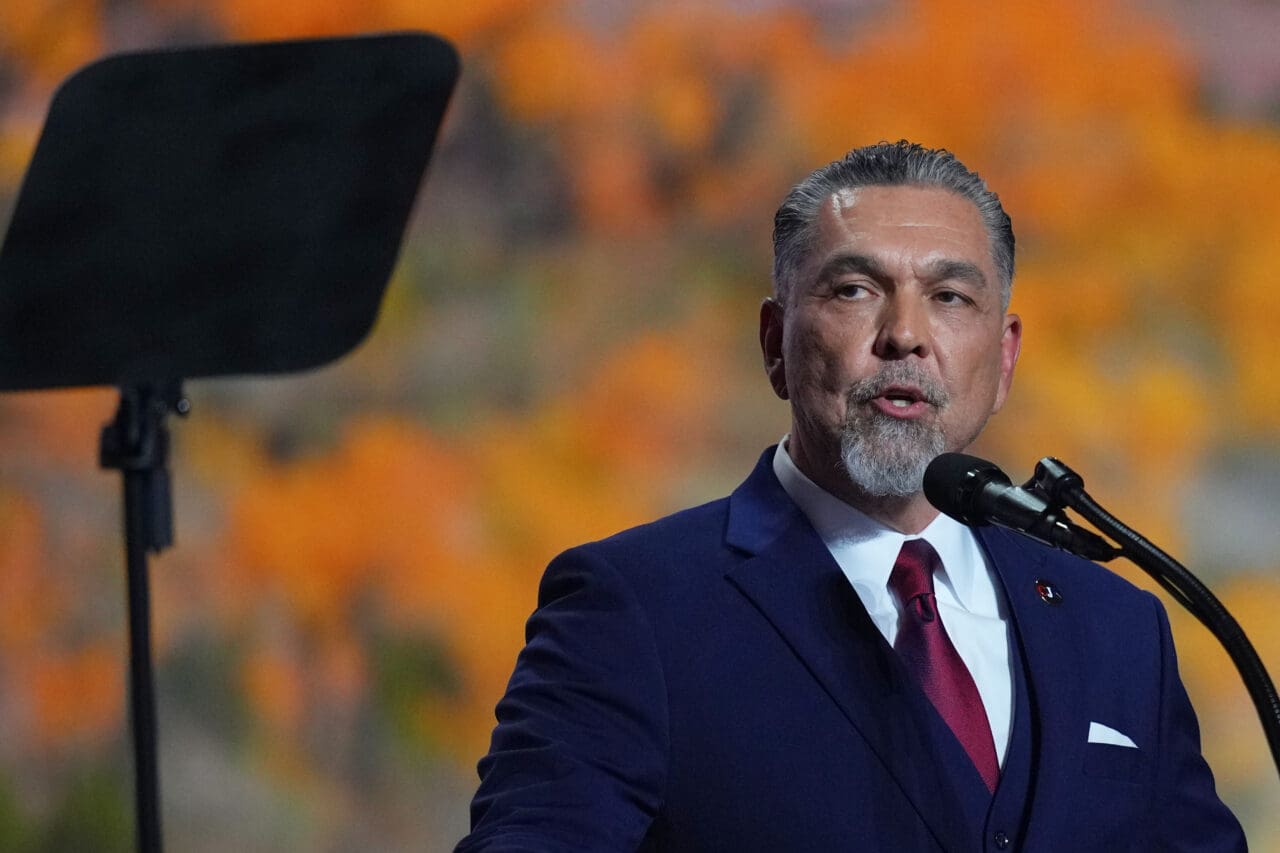
In response to the ruling, a spokesperson for the Tohono O’odham Nation mentioned that the tribe is considering its legal alternatives. Tohono O’odham Chairman Verlon Jose expressed concern over unresolved issues, stating, “Too many critical issues were not adequately addressed, such as inevitable impacts construction will have on the Nation’s land and the permanent destruction of sacred sites.”
Although Judge Leon’s ruling denied the preliminary injunction, it obliges federal authorities to engage in consultation with the tribe. Miller pointed out that historically, such consultations have not empowered tribes to halt federal actions. “And so consultation has so often been a letter from the feds going ‘we’re going to do X, what are your thoughts? They write the tribal council two months in advance. They’ve already made their decision, so that’s not true consultation,” he noted.
In an email, a Department of Homeland Security (DHS) spokesperson emphasized the agency’s commitment to maintaining a strong relationship with the Tohono O’odham Nation. “Secretary Markwayne Mullin is a citizen of the Cherokee Nation and made clear during his confirmation hearing that he respects tribal sovereignty,” the email stated. “DHS is committed to ongoing coordination with stakeholders, including tribal nations, throughout planning and construction activities.”
The DHS did not provide further information regarding the status of the wall construction.
—
Read More Arizona News

![Botched Ad Mix-Up: Super PAC Error in Arizona Congressional Race[embed]https://www.youtube.com/watch?v=bEMgIlCkHz0[/embed]](https://www.kitchentablenews.org/wp-content/uploads/2026/10/Botched-Ad-Mix-Up-Super-PAC-Error-in-Arizona-Congressional-RaceembedhttpswwwyoutubecomwatchvbEMgIlCkHz0embed.com2F0e2F962Fe971102f49e7a4f2a64fd3cc60a22Fjonatha.png "Botched Ad Mix-Up: Super PAC Error in Arizona Congressional Race[embed]https://www.youtube.com/watch?v=bEMgIlCkHz0[/embed]")