A Global Gathering to Protect Water: Indigenous Leaders Unite for Legal Personhood of Rivers
In a significant move to bolster the protection of water resources, leaders from the Colorado River Indian Tribes (CRIT) joined forces with Indigenous representatives from various parts of the globe. The Meeting of Sacred Waters, held in New Mexico, served as a platform to discuss the innovative strategy of granting legal personhood to rivers, ensuring they receive protections akin to human rights.
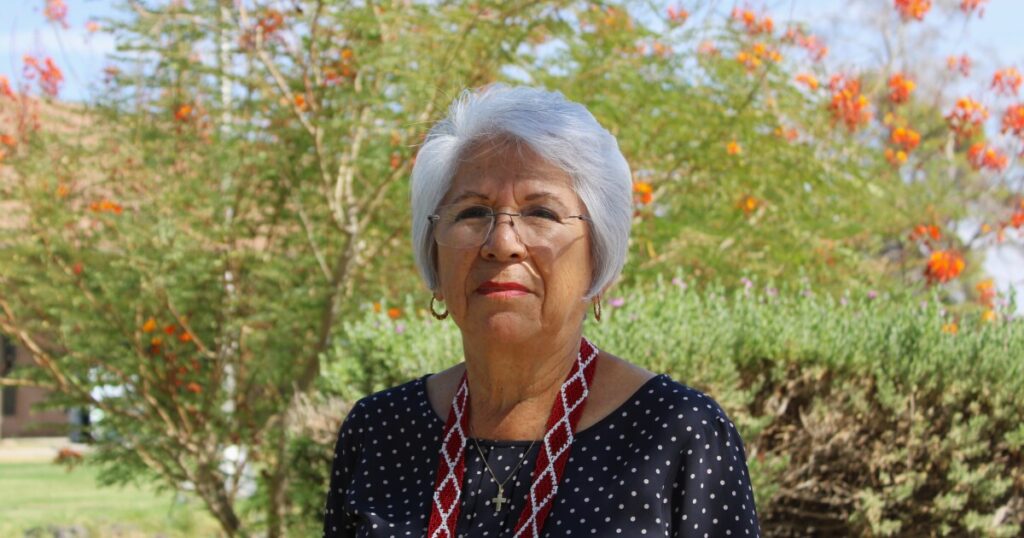
Amelia Flores, the chairwoman of CRIT, emphasized the value of this summit as a learning opportunity between Indigenous communities from the U.S., Canada, and New Zealand. She remarked, “All tribal nations are unique in their waters that they have. We share a commonality, and that is to protect our rivers, our streams and advocate and do our due diligence as stewards of what our creator has given us, to look over and to protect for future generations.”
In a pioneering step last year, the Colorado River Indian Tribes became the first to grant legal personhood to the Colorado River. For more details, see the report here. This move came in response to the increasing pressures of climate change, prolonged droughts, and the escalating demands from urban and industrial sectors.
CRIT is one of the limited groups among the 30 federally recognized tribes within the Colorado River basin whose land directly intersects the river. Their territory straddles the Arizona-California border, shaped by the river’s course. Inspired by the Māori people in New Zealand, Flores’s tribe took the bold step to recognize their river’s rights, drawing from international Indigenous experiences.
Youth engagement emerged as a vital theme during the conference. Flores expressed her admiration for the young participants, stating, “It’s the youth. It’s the younger adults that are grasping and speaking up for water on their territories or on their homelands and protecting their river waters and streams, and it’s a good thing.” She hopes these young voices inspire similar activism in her community.
Recently, CRIT has been actively involved in discussions about the equitable distribution of the Colorado River’s water, even hosting a senior federal water official for a comprehensive tour of their local ecosystems and agricultural areas.
In related developments, several other tribal communities are navigating diverse challenges and opportunities. For instance, in northeastern Arizona, one in three homes lacks running water, but solutions are on the horizon. Meanwhile, tensions rise as Colorado, New Mexico, Utah, and Wyoming oppose a deal enabling the Navajo and Hopi to lease water to downstream urban centers, including those around Phoenix. In another realm, tribal agriculture’s economic impact in Arizona has been highlighted in a study from the University of Arizona, showcasing its significant scale.
These events underscore the growing importance of Indigenous leadership in environmental stewardship and resource management, setting a precedent for global ecological advocacy.
—
Read More Arizona News