As utility costs soar and the debate over data center growth intensifies, the spotlight is turning to low-key elections that govern the utilities responsible for building power infrastructure and billing consumers. Once overlooked, these elections are now arenas of political contention in states like Arizona and Alabama, following similar tensions seen in Georgia, New Jersey, and Virginia last year.
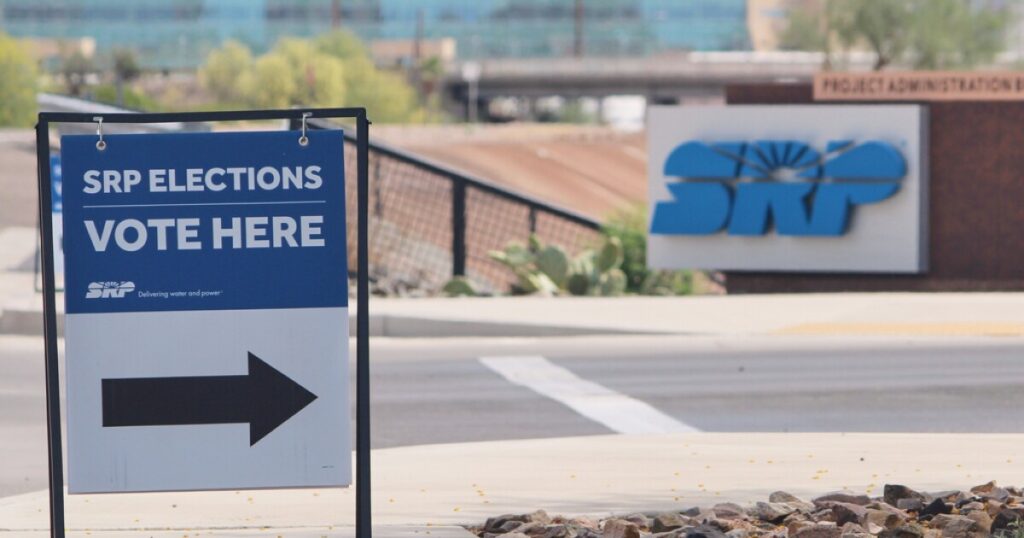
National organizations such as Turning Point Action, typically associated with conservative youth mobilization for former President Donald Trump, are now active participants. Their aim is to counter the influence of environmental advocates on the Phoenix-based Salt River Project, the nation’s largest public utility, through engaging in Tuesday’s election efforts.
This trend is setting the stage for upcoming utility regulator elections in at least six other states this year, including a highly anticipated contest in Georgia. The growing focus is revealing the intricate politics traditionally dominated by influential companies or power brokers, now intertwined with national discussions on powering artificial intelligence without escalating electricity costs.
“And that means suddenly there’s all this pressure,” remarked Dave Pomerantz from the Energy and Policy Institute, an organization advocating for low utility rates and renewable energy adoption.
Jonathan J. Cooper/AP
/
AP
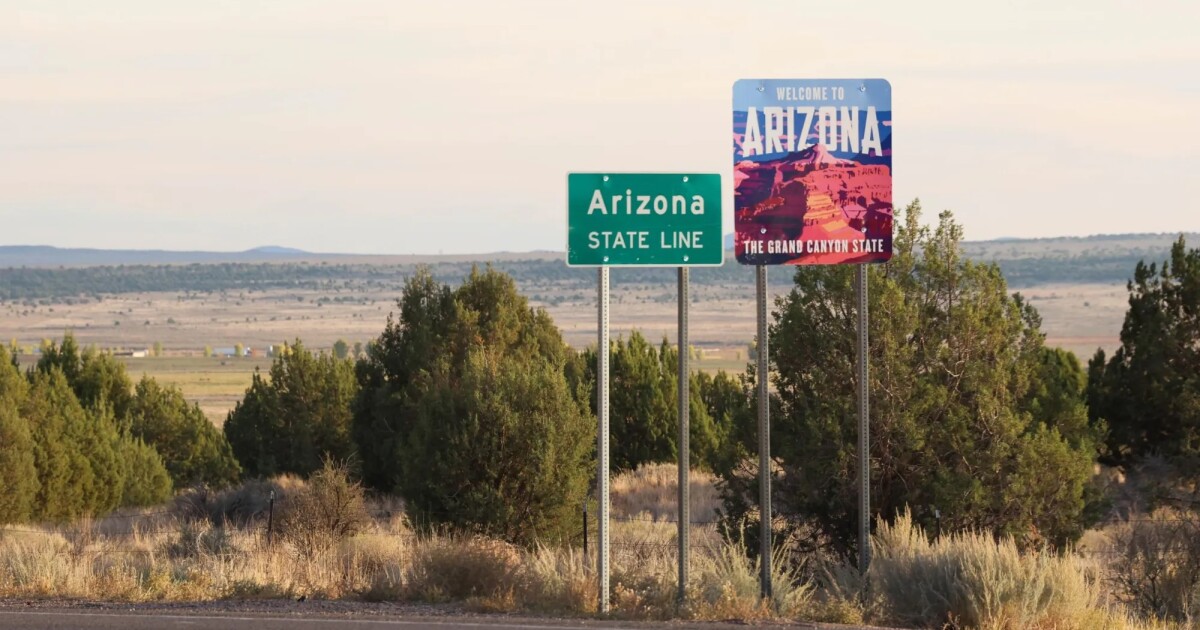
Arizona Election Attracts National Attention
The upcoming Salt River Project election has witnessed a significant rise in early ballot requests, signaling heightened public interest. Campaign activities like yard signs, text messages, and door-to-door canvassing are in full swing as the utility faces demands to reduce fossil fuel dependency amidst the region’s burgeoning data center and semiconductor industry.
Two opposing factions are contesting control over the board. One slate, backed by Turning Point Action, opposes “radical environmentalists,” while the other is supported by the Jane Fonda Climate PAC, which opposes “oil-loving candidates.” The stakes are high as the utility anticipates a need to double its energy capacity within the next decade.
Jimmy Lindblom of Arizonans for Responsible Growth, which Turning Point Action supports, expressed concerns about a rapid shift to solar energy, citing potential reliability and cost issues. “We’d have blackouts. And so these things are really important to the growth of Arizona,” he said.
The “clean energy” team argues that the current majority favors natural gas too readily, raising rates without sufficient incentives for solar energy adoption. “It’s insane, especially now,” commented Randy Miller, a board member and clean energy advocate.
Voter turnout is already surpassing previous elections, with over 22,000 ballots submitted days before the election closes. Voting in these elections is weighted by land ownership, giving larger landowners greater influence.

Jonathan J. Cooper/AP
/
AP
Alabama Faces Push for Utility Regulation Reform
In Alabama, concerns over rising electricity bills are sparking a political push to revamp the Alabama Public Service Commission. The state, known for some of the highest utility rates in the South, recently saw lawmakers pass a bill to restructure the commission, granting more power to the governor in matters of utility regulation.
This legislative move comes ahead of elections where candidates are framing the debate around electricity costs, reminiscent of Georgia Democrats’ significant victories in their state’s commission races in 2025. Former U.S. Senator Doug Jones, a Democratic gubernatorial candidate, criticized the bill as a “first-rate con job” on voters.
The new legislation, signed by Governor Kay Ivey, expands the commission from three to seven members, with four new members initially appointed by the governor. Additionally, it includes a provision preventing utilities from increasing base rates until 2029.
Republican leaders in the state hailed the bill as a major step in protecting consumers. “The Alabama Legislature passed HB475 to put a freeze on electric rates and to give the people of Alabama broader representation on the Public Service Commission,” stated Ivey. Legislative leaders emphasized the importance of accountability and reform in utility regulation.
With two commission seats up for grabs this year, incumbents face challenges from both primary and general election opponents focused on affordability. Democrats view Georgia’s election success as a potential blueprint for winning in Alabama.
“What happened in Georgia could happen in Alabama,” said Tabitha Isner, vice chair of the Alabama Democratic Party, highlighting the political and financial stakes in maintaining the current regulatory framework.
Internal emails between City of Page officials and developers show discussions about a controversial planned data center were going on as early as 2024.
—
Read More Arizona News