Wildfire Impact on Water Supply: A Persistent Challenge
As wildfires continue to ravage vast areas of the United States, the aftermath is not just visible in the charred landscapes but also in the long-term contamination of crucial water sources. With climate change exacerbating conditions, these effects pose a significant challenge to water treatment systems nationwide.
In 2026 alone, the U.S. has witnessed 68,179 wildfires, claiming over 14,062 square miles. Such fires lead to sediments and ash being washed into streams and rivers, key sources for drinking water. This contamination problem, as recent studies suggest, may last well over a decade.
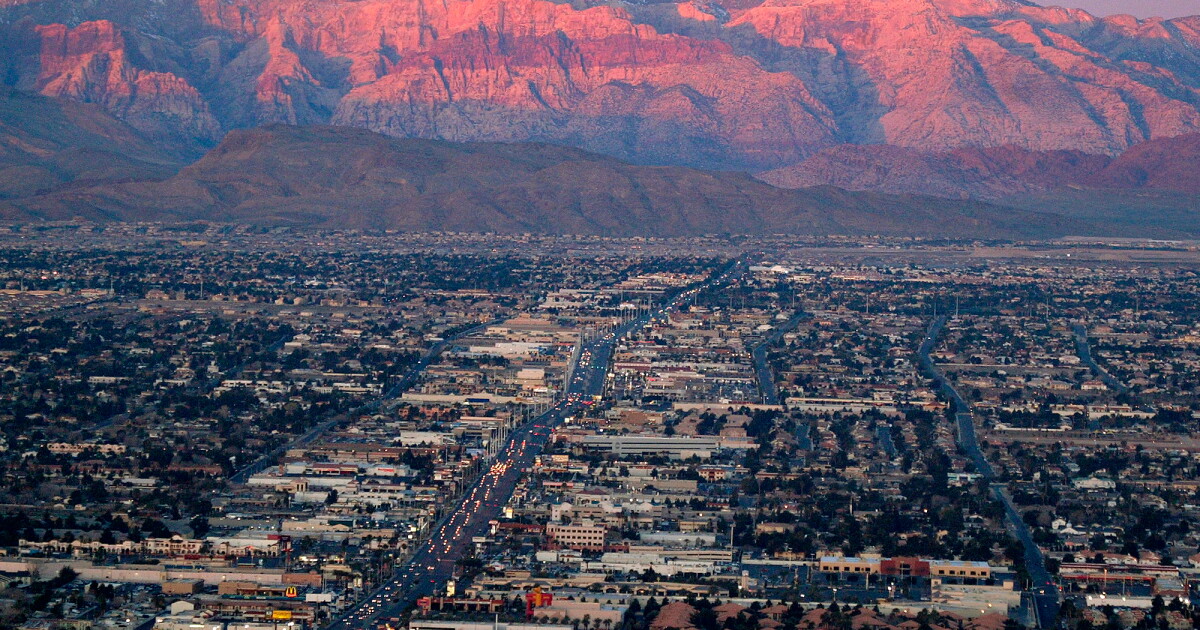
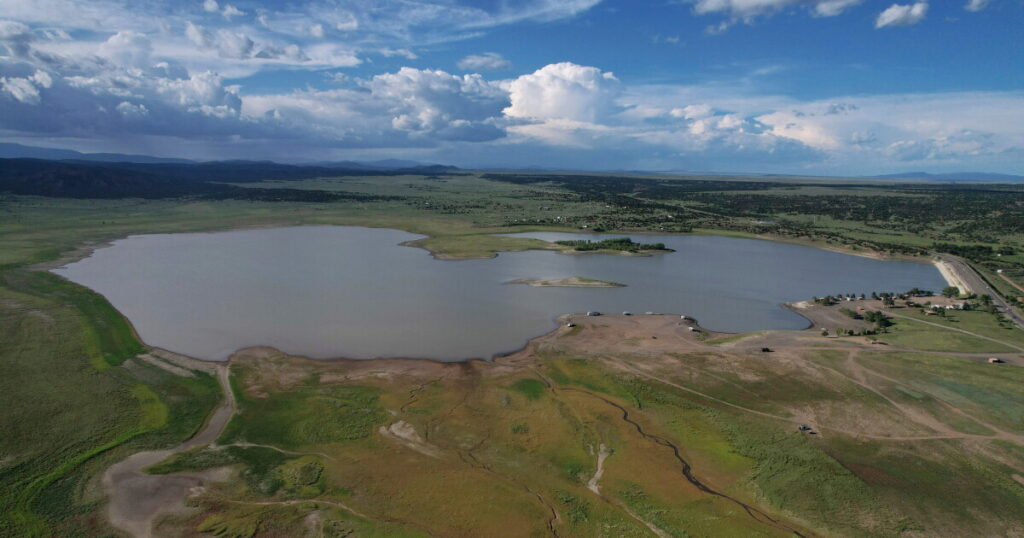
Communities like Las Vegas, New Mexico, have faced the brunt of these challenges. After the Hermit’s Peak/Calf Canyon wildfire in 2022, the Gallinas River was so contaminated that the city struggled to provide clean water. Residents relied on bottled water and transported tanks while funds were raised for a new treatment plant.
Karen Pettine, a long-time restaurant owner in Las Vegas, noted, “It’s hard to run a restaurant without good water… The water situation is ongoing because when it rains, it floods and it brings dirty water down the stream.”
Las Vegas Mayor David Romero reflected on the broader implications, saying, “It’s a scary situation that we’re all going to encounter.”
Sediment from Wildfires Challenges Water Treatment
Wildfires, though natural, have intensified, impacting watersheds that supply nearly two-thirds of U.S. municipalities. Amanda Hohner from Montana State University highlights the vulnerability of these areas due to increased fire severity.
A study by the University of Colorado Boulder, led by Carli Brucker, revealed that water quality in wildfire-affected basins can remain compromised for up to eight years (source).
Garrett McKay of Texas A&M University notes that utilities are concerned about the challenges posed by fires and are seeking expertise to manage water quality issues (source).
Water treatment plants, which usually rely on natural filtration, are not equipped to handle the increased levels of heavy metals and organic matter post-wildfire, leading to temporary shutdowns and a search for alternative water sources.
Reservoirs, while serving as sedimentation basins, become prone to nutrient-rich sediment build-up, potentially causing harmful algal blooms, explains Kyle Shimabuku from Gonzaga University.
Additionally, the reaction of chlorine with organic matter from fires forms harmful disinfection byproducts, regulated by the EPA due to health risks. This necessitates pre-treatment removal of organic matter, causing delays in water supply.

Financial Strain on Facilities
Wildfires bring significant financial burdens to affected areas. For instance, Glenwood Springs, Colorado, had to quickly secure an $8 million emergency loan to protect its water sources post-wildfire.
Fort Collins had to close its river intake due to ash from the Cameron Peak fire and rely on the Horsetooth Reservoir for water. Similarly, Las Vegas, New Mexico, faced severe water shortages post-wildfire, leading to costly water transport and infrastructure upgrades.
In 2024, a flood further contaminated Las Vegas’s water, prompting emergency measures, including importing millions of gallons of water. Another incident in February 2025 led to a month-long boil-water advisory.
Ultimately, federal and state support totaling $148 million was secured to rebuild Las Vegas’s treatment plant and explore additional water sources. “We’ve been doing a lot of work for other sources of water,” said Mayor Romero, acknowledging the unpredictability of relying solely on the Gallinas River.
—
Read More Arizona News