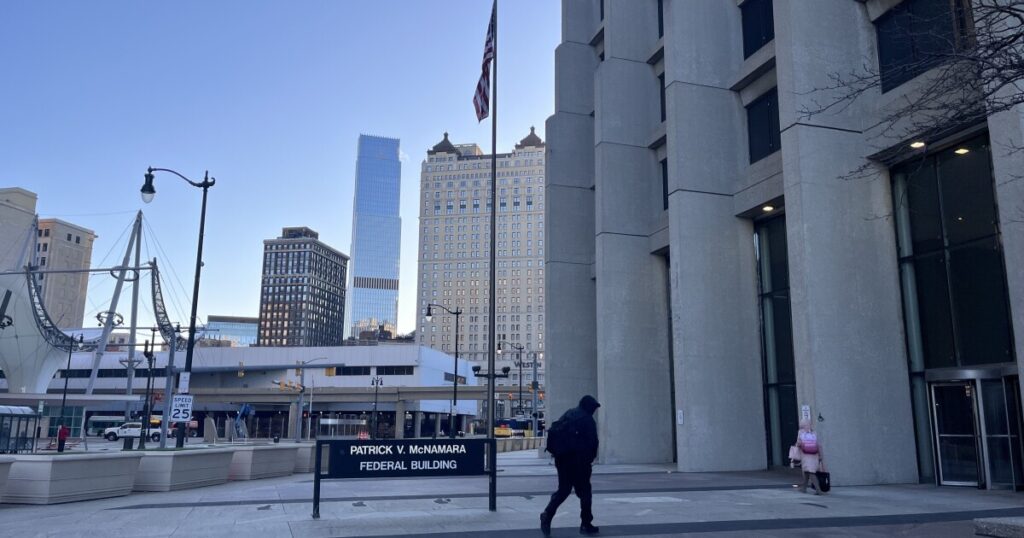
A significant development in immigration policy occurred as a midwestern appeals court ruled against a Trump-era detention mandate. This decision now permits undocumented individuals in Michigan and surrounding states to seek bond while awaiting their case resolutions.
A New Opportunity for Detained Immigrants
The court’s decision has opened a path for many detainees to request bond hearings — a process previously out of reach or demanding extensive legal efforts. Ruby Robinson, a senior managing attorney at the Michigan Immigrant Rights Clinic (MIRC), expressed the potential impact of this ruling, emphasizing the newfound hope it brings to detainees and their families. “This ruling means that many individuals who are in detention will have an opportunity for a bond hearing that was previously denied to them, or required substantial investment and time to be able to get,” Robinson told Stateside.
Robinson encourages eligible individuals to promptly apply for bond hearings to argue their case for release, although granting of the bond rests with immigration judges. The recent court ruling provides a temporary framework for seeking these hearings, though its longevity remains uncertain. “This is a window,” Robinson noted. “The window may stay open. The window may close.”
Background and Court Ruling
Under the Trump administration’s “mandatory detention” policy initiated last summer, undocumented individuals were held without bond, a shift from previous practices which targeted those charged with crimes. Recent data indicates approximately 60,000 individuals are detained, with 70% having no criminal record, despite official narratives focusing on detaining the “worst of the worst” (source, source).
The 6th Circuit Court of Appeals, in a 2-1 decision, found this policy unconstitutional. Judge Eric L. Clay, writing for the majority, highlighted the contributions of the plaintiffs to their communities and emphasized their right to request bond as a part of due process. “Many are the primary breadwinners or essential caregivers for their families, which include their children who were born here and are citizens of the United States,” he noted.
Future Implications and Supreme Court Involvement
While the ruling affects states like Michigan, Ohio, Kentucky, and Tennessee, other regions such as Texas and Louisiana continue to uphold the Trump policy, creating legal inconsistencies across the country. Robinson advises detainees in these states to pursue bond hearings immediately, as relocation could limit their options.
The current divide over the issue suggests a likely review by the U.S. Supreme Court. Michigan State University law professor David Thronson recognized the case’s significance, noting its potential to attract the highest court’s attention due to its implications on personal lives and federal spending on detention. However, predicting the Supreme Court’s stance remains challenging, given the contrasting precedents and policies involved.
—
Read More Michigan News