Blue Cross Blue Shield of Michigan and Michigan Medicine Secure New Contract
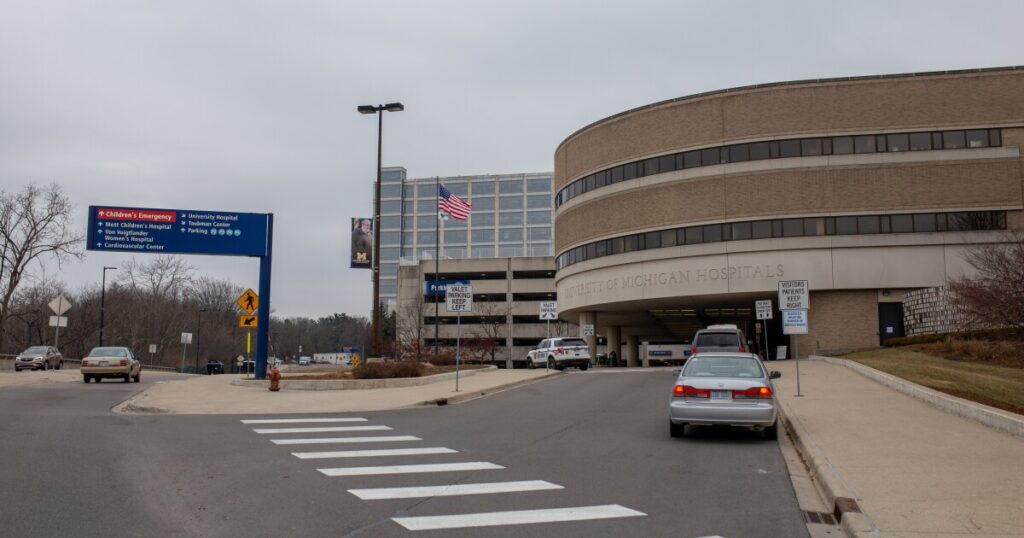
In a significant development for healthcare coverage in Michigan, Blue Cross Blue Shield of Michigan (BCBSM) and Michigan Medicine have successfully negotiated a new contract. This agreement ensures that Michigan Medicine facilities will remain in-network for BCBSM policyholders, with the previous contract set to expire on June 30.
The impasse had raised concerns among thousands of individuals covered by BCBSM, who faced the prospect of higher out-of-network costs for accessing care at Michigan Medicine facilities if negotiations had failed.
BCBSM’s president and CEO, Tricia A. Keith, remarked on the importance of the agreement for maintaining affordability in healthcare services. “Blue Cross is pleased to reach this long-term agreement with our partners at Michigan Medicine – ensuring continued access to the system’s medical care services for our members, while advancing the affordability of their care and coverage,” said Keith.
David Miller, executive vice president for medical affairs and CEO of Michigan Medicine, expressed gratitude for the resolution of the negotiations. “On behalf of our physicians, nurses and all of our team members, we are grateful to have reached an agreement that ensures continued access for our patients and for Blue Cross members across the state to the world-class care available at Michigan Medicine,” he stated.
While the specific terms of the new contract remain undisclosed, the discussions were crucial for both patients and healthcare providers. Tom Buchmueller, a health insurance economics expert from the University of Michigan, highlighted the potential losses both entities faced if talks had collapsed.
Buchmueller noted that BCBSM, being the largest payer in Michigan, represented a significant source of revenue for healthcare systems like Michigan Medicine, which is also a premier academic medical center. He added that economic pressures from tariffs, inflation, and reduced federal healthcare funding are influencing the negotiations across the nation.
“Healthcare costs are incredibly high in this country, and there’s just a limit to how much people are able to pay, so insurers have legitimate reason to really try to hold the line on costs,” Buchmueller commented. “At the same time, providers are facing inflation themselves, and they need to be able to cover their costs.”
Instances of prolonged negotiations are becoming more frequent, as evidenced by last year’s unrenewed contract between Johns Hopkins Medicine and UnitedHealthcare which left 60,000 people without in-network access.
Julie Ishak, chief nurse and operations executive at Michigan Medicine, emphasized the importance of reaching an agreement amidst challenging economic “headwinds.”
Before the agreement, BCBSM had advised approximately 250,000 patients receiving care at Michigan Medicine to seek alternative providers as the two parties clashed over reimbursement rates. Michigan Medicine alleged that BCBSM proposed a 30% cut in reimbursement rates, while BCBSM countered that the health system requested a 44% increase, with both sides denying the other’s claims.
For patients with critical or ongoing health issues, there was a possibility of maintaining in-network rates for up to 90 days under a continuity of care agreement if a deal had not been reached. However, with the agreement in place, Ishak confirmed that patients could disregard any prior notices regarding their care continuity.
“We have always been keeping our patients front and center, and at the core of what we do, and what I would say to our patients is, ‘We are excited to share that nothing changes about your coverage,”’ Ishak assured.
Both parties will continue to meet in the coming weeks to finalize the new agreement details.
Editor’s note: The University of Michigan holds Michigan Public’s broadcast license.
—
Read More Michigan News