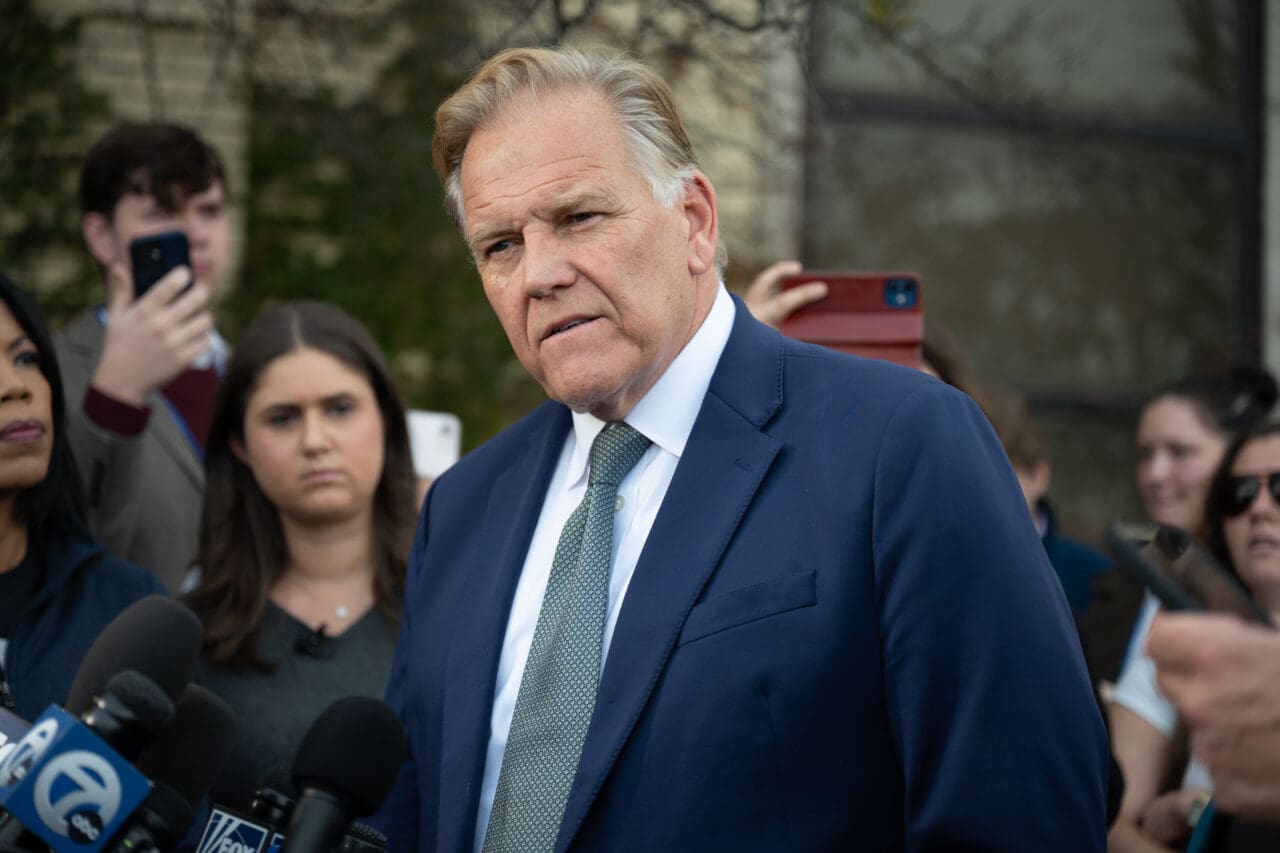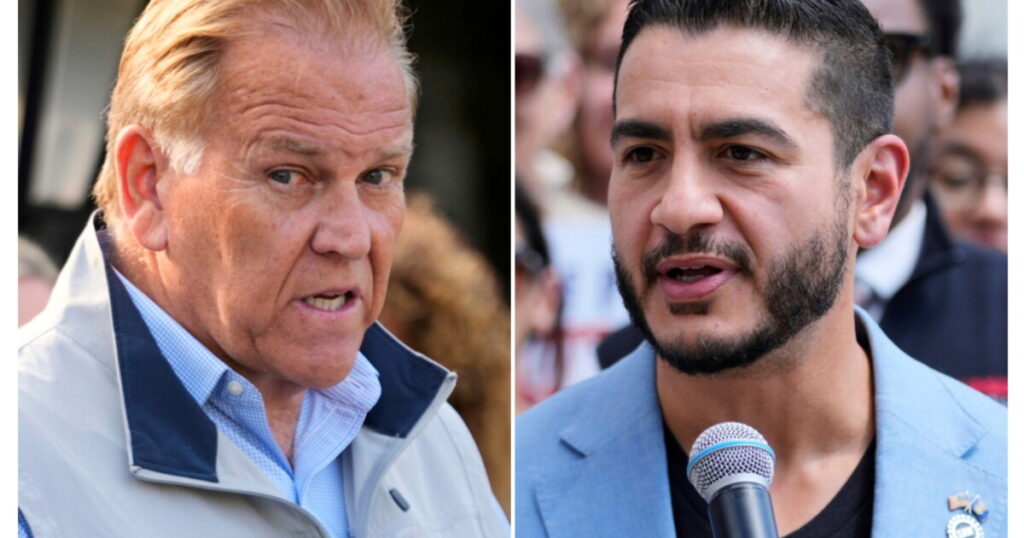
In a pivotal contest that could sway the control of the U.S. Senate, Democrat Abdul El-Sayed and Republican Mike Rogers are offering voters in Michigan two distinct political visions. Their strategies reflect the complex dynamics of one of America’s key swing states, making this race one to watch.
El-Sayed, who emerged victorious in a contentious Democratic primary, is betting on a progressive platform that prioritizes universal healthcare. His victory over establishment-backed Rep. Haley Stevens was both narrow and bruising, setting the stage for a general election campaign aimed at expanding the Democratic base through populist appeals to younger voters and disillusioned Republicans.
Meanwhile, Michigan’s political landscape is marked by its diverse electorate, creating a challenging environment for both candidates. Key issues like U.S. support for Israel and accusations of antisemitism have complicated the race, leading to Stevens’ surprising endorsement of Rogers. This development underscores the deep-seated tensions within the state’s political factions.
For Rogers, this election provides an opportunity to recover from his narrow defeat in the 2024 Senate race. Without the presence of Donald Trump at the top of the ticket, Rogers must navigate a political climate where economic concerns such as high gas prices weigh heavily on voters’ minds. Despite these challenges, he aims to capitalize on the open seat created by the retirement of Democratic Sen. Gary Peters, a rare opportunity for Republicans in a state where they haven’t won a Senate race since 1994.
The Aftermath of a Contentious Democratic Primary
The Democratic primary left significant divisions, particularly after Stevens, a key figure within metro Detroit’s Black and Jewish communities, shifted her support to Rogers. This decision reflected ongoing tensions and the challenges El-Sayed faces in uniting the party. His campaign has attracted high-profile endorsements from figures like Kamala Harris and Barack Obama, who have sought to rally crucial voter demographics.
El-Sayed’s stance on Israel has been a focal point of criticism, further complicated by his past associations with controversial figures. His campaign has had to navigate significant financial opposition, with groups like the American Israel Public Affairs Committee (AIPAC) investing heavily against him during the primary.
Rogers’ Strategy in a Trump-Less Campaign
Rogers’ campaign has been marked by a strategic focus on targeting El-Sayed rather than promoting Republican accomplishments. The backdrop of ongoing geopolitical issues, including the war with Iran and economic tensions with Canada, presents additional hurdles. Despite these obstacles, Rogers remains closely aligned with Trump, whose influence continues to shape Republican strategies.
As the former chairman of the House Intelligence Committee, Rogers’ expertise in national security is a central theme of his campaign, though navigating unpopular policies presents its own set of challenges. “The war with Iran needs to end, and end quickly,” he asserted on social media, illustrating the complex interplay between his campaign messaging and broader national issues.
—
Read More Michigan News