False Immigration Raid Alerts Cause Alarm in Michigan Communities
Recent online claims about immigration raids in Michigan have created anxiety among residents, particularly in areas previously considered safe from such actions. As these rumors circulate, they stir uncertainty and fear, especially in schools, hospitals, and churches, which were once protected from immigration enforcement. Experts emphasize the difficulty in distinguishing between truth and misinformation online, particularly when visual content is involved. They advise caution, recommending verification of sources, especially when a post triggers strong emotional responses.
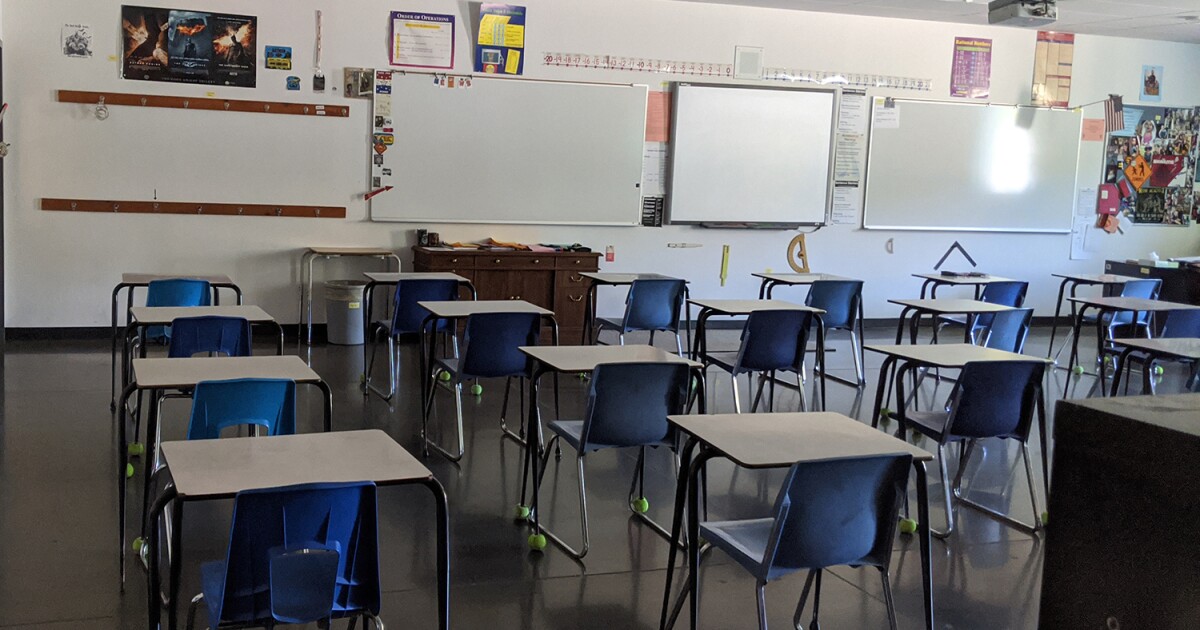
On a seemingly typical Monday morning at Ottawa Hills High School, Counselor Damika Houston was jolted by a startling message. An alarming Facebook post alleged that Immigration and Customs Enforcement (ICE) had entered the Grand Rapids school and detained several students. The post read: “Imagine sending your child to school and they never come home, sometime people go thru more then u know so just be thankful! SN: ICE is at Ottawa Hills they just removed a few student pray for my uncle wife her son they just took.”
Concerned, Houston approached the principal’s office for clarification. “So usually, when anything that’s happening, someone’s in our building, we have a procedure, and we, all staff are notified, and we weren’t, right?” she said. “There was no email, no code or anything like that. So I was really confused.” It was soon confirmed that ICE had not conducted any operations at Ottawa Hills High School. However, by then, the rumor had rapidly spread among the school’s 400 students.
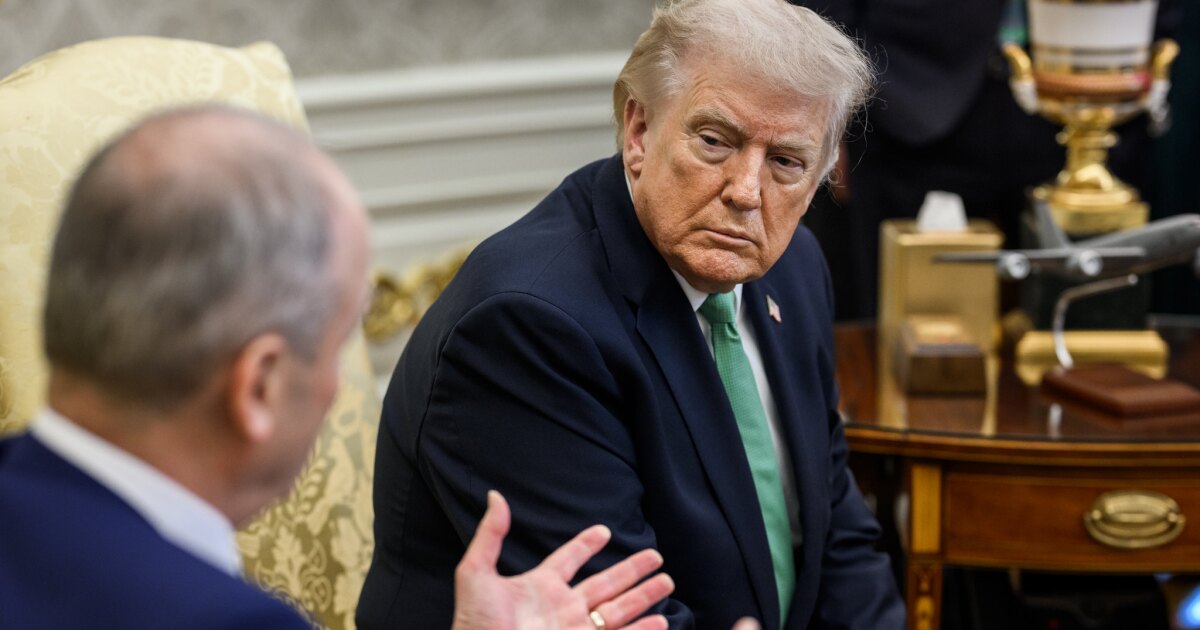
“It was very chaotic during our lunch period,” Houston recalled. “Students were coming up to staff and just asking questions like, what is going on? Is ICE here?” Despite the post being false, Houston acknowledged that the situation could have been real. A recent executive order from President Donald Trump now permits ICE to operate in places like schools, churches, and hospitals, previously off-limits to immigration enforcement. Read more about this policy change here.
In the wake of Trump’s administration, social media has been rife with reports of ICE activities in Michigan, particularly in immigrant-heavy areas like Southwest Detroit. City Councilwoman Gabriela Santiago-Romero noted on Instagram that she received numerous reports of ICE appearing in local neighborhoods. Despite her efforts to verify these claims, she found no evidence of ICE presence.
Many of these circulating videos and posts are outdated, misrepresenting old ICE operations or other law enforcement activities. Some content is artificially created using advanced technologies, while other posts are simply hearsay. Nationwide, there is no substantial evidence indicating an increase in immigration enforcement since the administration change. Nonetheless, the discourse is instilling fear.
Michigan State University communications professor Dustin Carnahan investigates how such rumors spread. He notes that misinformation often contains a kernel of truth, which helps it gain traction. “When you talk about these claims about ICE having a presence in someone’s community and you talk about the impact that could have on the immigrant community, obviously that could have the potential of activating a sense of fear that, you know, we could be next and someone could be here right now looking to deport us,” he explained.
Fact-Checking Tips
Peter Adams, a senior vice president at the News Literacy Project, shares strategies for verifying online information, especially targeted at teenagers. He advises skepticism towards visuals from unknown sources, particularly if they accompany extraordinary claims. “If you see a visual and you don’t know the source, I think you need to really remain skeptical, especially if it accompanies a really sensational, outrageous claim,” he stated. Emotional reactions to content are a signal to verify its authenticity, often through a simple Google search. Google also offers tools to trace the origin of images or videos by pasting the link.
In general, maintain a cautious stance towards unverified accounts and follow reputable news outlets for accurate information. Experts like Adams and Carnahan stress the importance of acknowledging the genuine fears of communities while encouraging thorough research before sharing content online.
—
Read More Michigan News