Michigan’s Ranked Choice Voting Initiative Advances
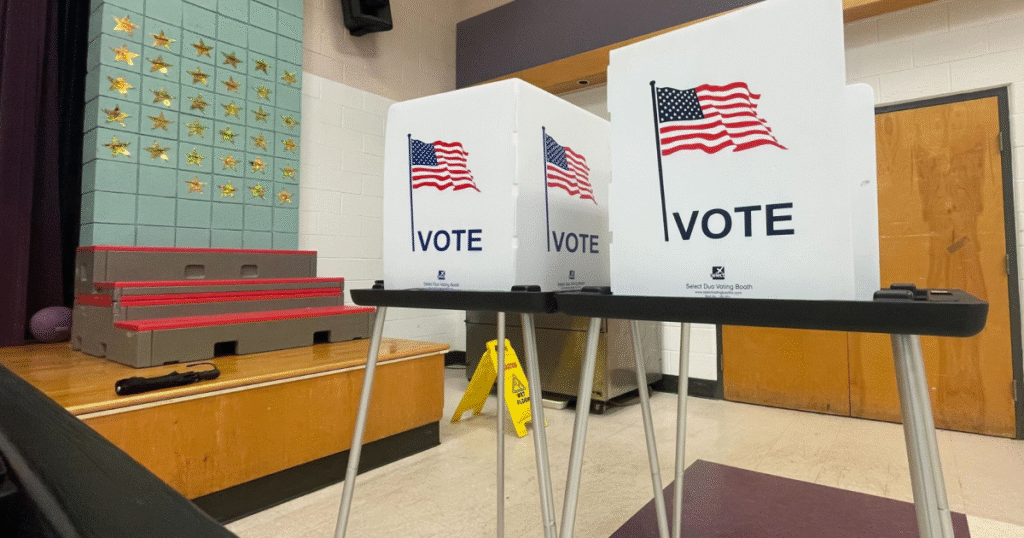
Michigan is on the cusp of potentially adopting ranked choice voting, as a ballot initiative clears a significant hurdle with the state elections board. The Board of State Canvassers has given the green light to the summary and petition form, allowing the campaign to begin gathering signatures.
This crucial approval aims to shield the measure from possible legal challenges that might argue the proposal’s ambiguity. Pat Zabawa, representing the Rank MI Vote campaign, highlighted the advantages of ranked choice voting, suggesting it empowers voters by allowing them to choose candidates without the fear of wasting votes. Zabawa pointed to New York City’s recent mayoral primaries as a successful example of this voting system in action.
Despite its potential benefits, the initiative faces criticism over concerns about its impact on Michigan’s electoral process, including the implications for straight ticket voting and the effects on candidates with minimal support.
Minimum Wage Referendum Sparks Debate
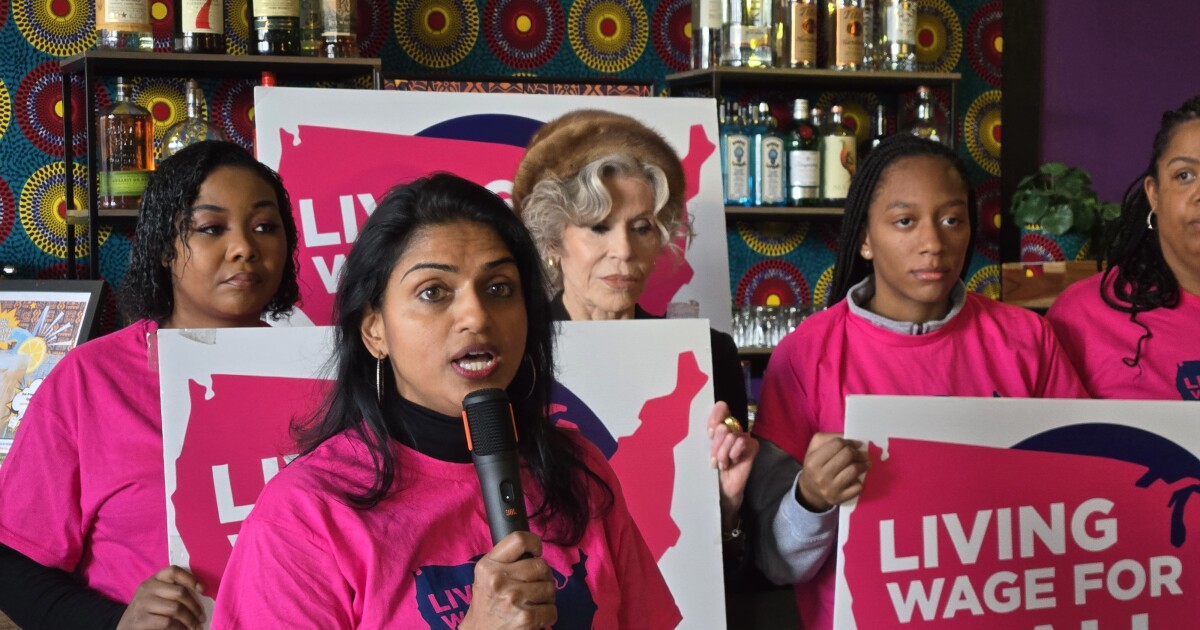
In another development, the state canvassers board reviewed a ballot proposal aimed at overturning a recent state minimum wage law. The One Fair Wage campaign seeks to reinstate a policy that would have increased the minimum wage to nearly $15 per hour by 2028, with full wages for tipped workers by 2030. However, the current law accelerates the path to $15 per hour while limiting tipped workers’ earnings to half of the standard minimum wage.
Sarah Rose from One Fair Wage expressed dissatisfaction with the board’s summary, which she believes could hinder their signature collection efforts. The campaign is considering their next steps, including whether to accept the summary or seek further revisions.
Opponents argue that reversing the current law could harm businesses and the service industry by increasing costs and potentially leading to higher prices and restaurant closures. This concern prompted lawmakers to revise the law earlier this year to prevent the original policy from taking effect.
Proposed Tax Hike for High Earners
A third proposal under consideration involves a constitutional amendment to impose a five percent tax on income exceeding $500,000 for individuals, or $1 million for joint filers. Jessica Newman of Invest in MI Kids advocates for the additional revenue to enhance educational facilities and reduce classroom sizes, aiming to improve learning environments across the state.
The board did not finalize the petition’s form due to time constraints. Critics of the tax proposal argue that it would effectively introduce a graduated income tax, which is prohibited by the Michigan Constitution, and question the campaign’s claims about its benefits for schools.
—
Read More Michigan News