Perry Johnson’s Tax Plan: Bold Promises and Lingering Questions
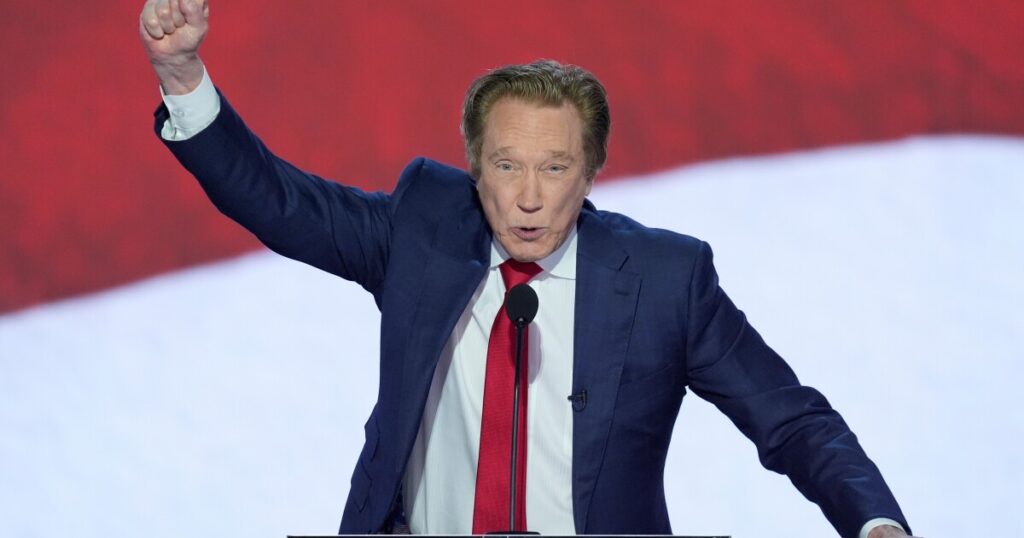
Michigan voters are being inundated with gubernatorial candidate Perry Johnson’s bold promise: to eliminate the state income tax and save residents $4,747 annually. But as the campaign heats up, questions abound regarding the feasibility and implications of such a proposal.
“Keep your money, live your dreams,” touts Johnson, part of an extensive $10 million ad campaign financed by the candidate himself. This pledge has caught the attention of voters and fellow candidates alike, with others also proposing significant tax reductions.
A central point of debate is the accuracy and impact of Johnson’s savings claim. He suggests that the typical family could save $4,747 per year by eliminating the state income tax. However, experts, including Bob Schneider from the Citizens Research Council of Michigan, argue that actual savings would be significantly lower, citing a 2021 analysis where families earning around $111,691 paid an effective tax rate of 3.01%, resulting in a state tax average of $3,406.
Savings Discrepancies
Johnson’s calculations are based on a 4.25% state income tax rate, but after considering deductions and exemptions, the average tax paid is notably less. For instance, families with a median income of approximately $123,010 paid an effective rate of 3.11%, equating to $3,826, which is still less than the proposed savings.
The implications of Johnson’s plan extend beyond just income tax. Eliminating the 4.25% income tax would remove about $13.5 billion from the state’s revenue, necessitating substantial budgetary adjustments. State income tax is a major contributor to discretionary revenue, accounting for around 60% of it, which is crucial for crafting Michigan’s annual budgets.
Budgetary Impact
The revenue from income tax is pivotal, with the state collecting $8.4 billion from it last fiscal year. It also supports education through the School Aid Fund, contributing nearly $4 billion. Consequently, eliminating this tax would compel the state to make significant spending cuts.
Johnson’s strategies for offsetting the lost revenue include cutting “two cents out of every dollar of discretionary spending,” canceling certain rail projects, and implementing a state worker hiring freeze. However, the specifics of these proposals remain vague, raising concerns about their viability.
Beyond Income Tax
Other Republican candidates, such as Mike Cox and Aric Nesbitt, echo the call for tax cuts but have yet to present detailed plans. Nesbitt emphasizes the need to “shake up the status quo” and reduce government size, while Cox references his experience in the attorney general’s office as a model for managing cuts.
In addition to income tax cuts, property taxes are also under scrutiny. Proposals to eliminate the State Education Tax and other property taxes could severely impact local and state government funding, which heavily relies on these taxes for essential services.
Pastor Ralph Rebandt supports a complete overhaul of property taxes, but like his peers, has not provided a comprehensive plan for compensating for the lost revenue.
The debate over tax cuts in Michigan is intensifying as candidates vie for voter support. While the promises are appealing, the challenge lies in addressing the substantial financial void these cuts would create without clear solutions in sight.
—
Read More Michigan News